Truck Driver’s 800,000-Structure NYC Model Enters Museum
Truck Driver’s 800,000-Structure NYC Model Enters Museum
Anonymous
Key Points
1
The completed model measures about 15 meters long by nearly 9 meters wide, with a scale of 1:120—roughly one inch on the model for every 49 meters in the real city.
2
Macken built the display across more than 300 large foam boards, with the model’s full dimensions described as roughly 50 feet long and 30 feet wide; each inch represents approximately 160 feet of real-life cityscape.
3
Macken spent about a decade constructing Midtown after beginning with Rockefeller Center and 30 Rock. He said the Empire State Building’s ornate Art Deco spire was especially difficult because he wanted it to be perfect: “People are gonna be looking at it.”
4
Macken had no formal training in architecture, design or model building; he cites childhood experience with Lego sets and Lincoln Logs as his closest preparation.
5
The original Panorama of the City of New York that inspired Macken was created for the 1964–1965 World’s Fair at the Queens Museum.
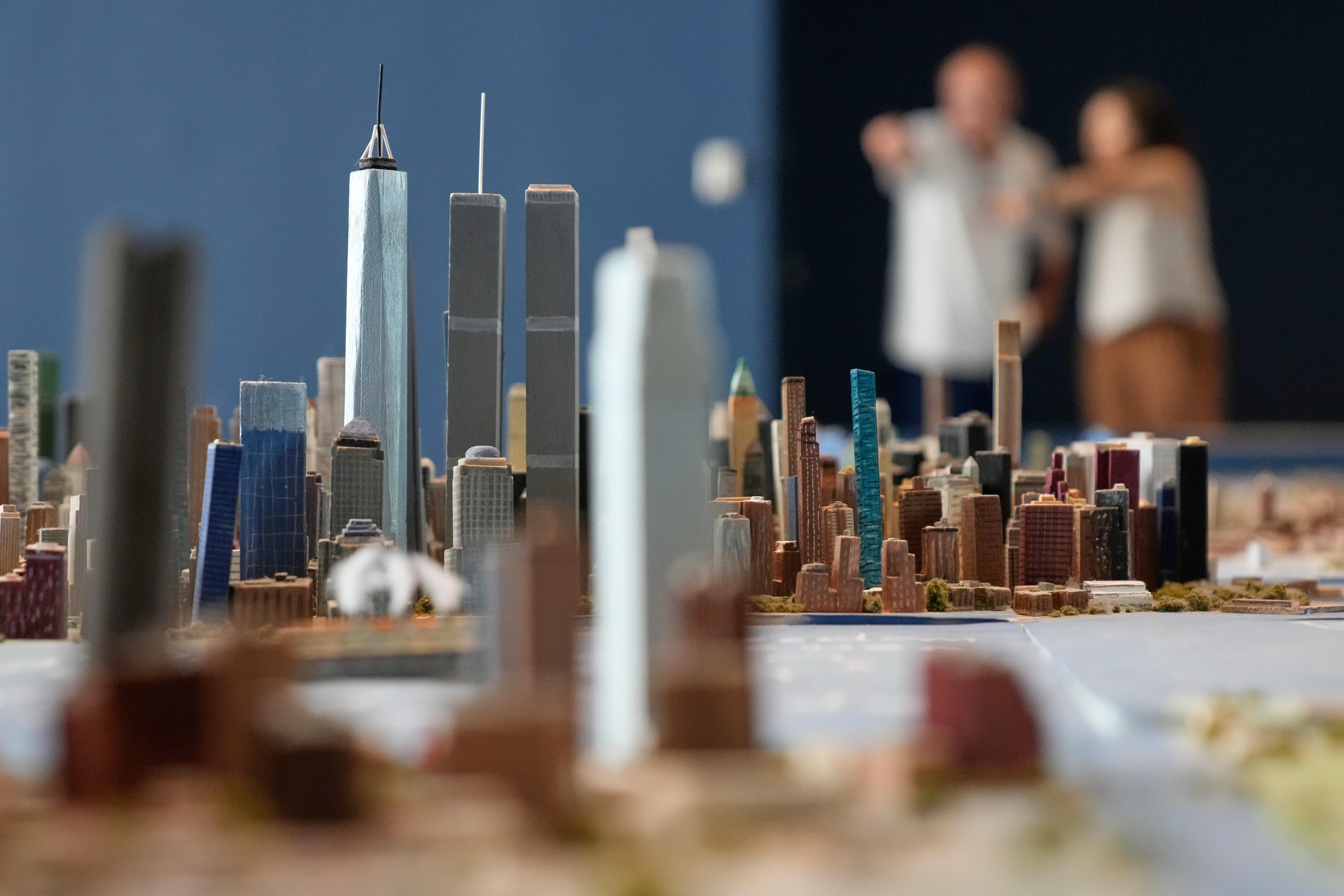
Joe Macken, a truck driver from Queens, spent more than 20 years building an 800,000-structure scale model of New York City from balsa wood and foam board. The massive display—roughly 50 feet long and 30 feet wide—recently opened in the Museum of the City of New York's exhibit "He Built This City," running through October 12. Connecticut Courant reported that Macken's daughter's TikTok video of the model drew over 10 million views in just one week, catching the museum's attention.
From Lego Sets to 50-Foot Masterpiece
Macken had no formal training in architecture or design. His foundation came from childhood Lego sets and Lincoln Logs. He started the project after moving to the Albany area, beginning with Rockefeller Center and 30 Rock. "People are gonna be looking at it," he said about the Empire State Building's ornate Art Deco spire, which took him weeks to perfect. The model uses a 1:120 scale—roughly one inch representing 49 meters of real cityscape.
Macken spent approximately a decade constructing Midtown alone, gradually expanding to cover all five boroughs plus parts of New Jersey and Long Island. The entire model sits across more than 300 large foam boards. Each structure was built by hand with meticulous attention to detail and historical accuracy.
A Museum Exhibit Inspired by the Panorama
Macken's project was inspired by the Panorama of the City of New York at the Queens Museum, created for the 1964–1965 World's Fair. That iconic model gave him the vision to create his own version. Museum curator Elisabeth Sherman said Macken's model offers viewers "a rare bird's-eye perspective on a city that can otherwise feel impossible to grasp."
The exhibit highlights how Macken wove personal and historical elements into his creation. He included a childhood diner and the former Kosciuszko Bridge, making the model both a portrait of New York and a record of his own memories. Rising Nepal Daily noted the model is more than just a tourist attraction—it's a labor of love spanning two decades.
Plans for Expansion Beyond the Five Boroughs
Macken isn't done building. Yahoo News reported that the truck driver is planning to expand the model even further. He's considering adding more of Long Island and New Jersey, continuing the same meticulous process that has defined the project so far.
The museum exhibit has transformed Macken from a hobbyist into a celebrated artist. What started as a personal passion project in his spare time has become a public marvel, drawing thousands of visitors. His story proves that dedication and attention to detail can turn everyday materials into something extraordinary.
Sentiment
Mostly PositiveNEGATIVENEUTRALPOSITIVE
Publishers
15
Articles
50
Reach
65
Topics
A
AnonymousAuthor


