UN Assembly Clashes
UN leaders clash over Gaza and Iran during tense General Assembly debates.
Anonymous
Key Points
1
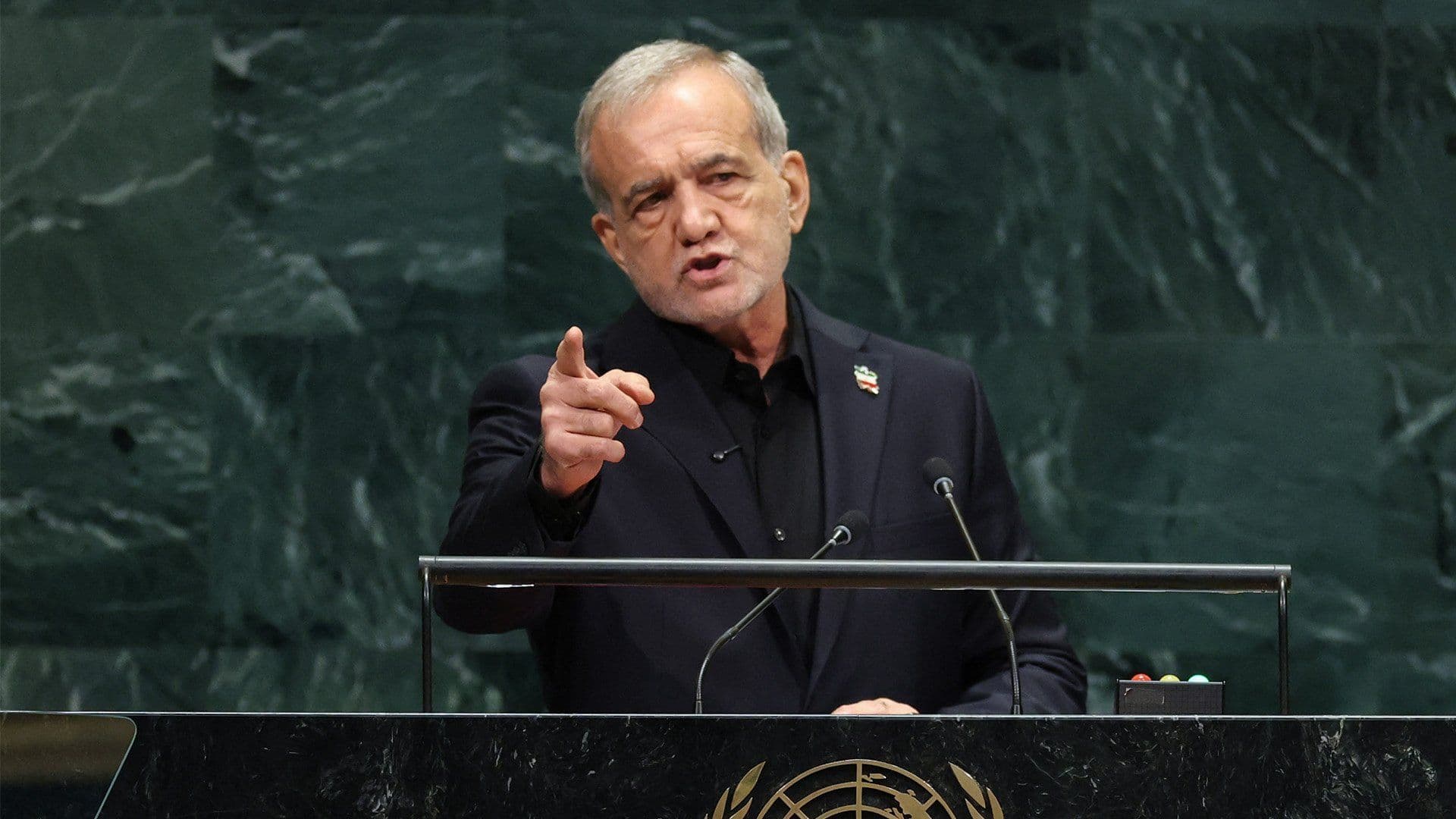
Iranian President Masoud Pezeshkian accused Washington of assassinating former supreme leader Ayatollah Ali Khamenei and cited Iranian officials’ claim that a strike on a primary school in Minab killed more than 175 children and teachers. The U.S. delegation walked out as he began speaking.
2
The United States barred Palestinian President Mahmoud Abbas from attending the U.N. General Assembly high-level week in New York for the second year in a row.
3
Brazilian President Luiz Inácio Lula da Silva warned that Israel’s actions in the West Bank were making a two-state solution increasingly unviable, and said Palestinians would carry the trauma of the deaths of women and children in Gaza.
4
Erdogan said more than 1,500 people had been killed in Gaza since the ceasefire, and his remarks prompted the Israeli delegation to walk out.
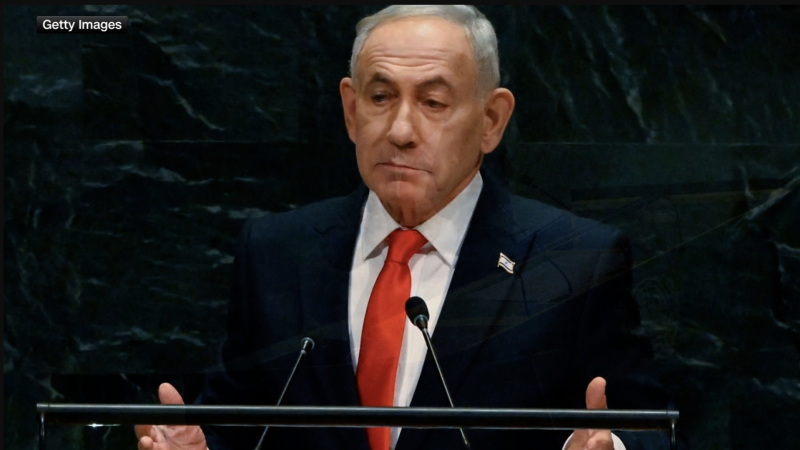
UN leaders clashed sharply over Gaza and Iran on Wednesday, with Israeli Prime Minister Benjamin Netanyahu defending his country's attack on Iran while deliberately provoking walkouts from delegates. Mediaite reported that Netanyahu encouraged diplomats to leave if they disagreed with his policies, calling those who departed 'moral cowards.' The confrontations revealed deep divisions over Middle East policy, reconstruction needs, and diplomatic recognition.
The disputes extended far beyond Netanyahu's speech. Turkish President Recep Tayyip Erdogan condemned Israel's conduct in Gaza, calling it a concentration camp and urging recognition of a Palestinian state. CNN documented the large number of diplomats walking out as Netanyahu began his address, signaling the tension filling the assembly hall.
Netanyahu Defies Critics at the Podium
Netanyahu used his UN speech to defend Israel's military actions without apology. The Guardian reported that delegates walked out as Netanyahu prepared to address the assembly, but he pressed forward. He argued that attacking Iran was justified and called the diplomats who departed 'moral cowards' for disagreeing with him. ABC News covered the scene as some delegates left their seats in protest.
The Israeli delegation hit back at critics throughout the session. Israel's Defense Minister Israel Katz attacked Turkish President Erdogan and accused him of supporting Hamas. The confrontational tone set by Israeli leaders made compromise seem distant. Netanyahu's willingness to taunt departing delegates signaled Israel had little interest in appeasing UN opposition to its military strategy.
Erdogan and Iran Make Competing Accusations
Turkish President Erdogan used his platform to condemn Israel's Gaza operations. He claimed more than 1,500 people had been killed in Gaza since the ceasefire began, prompting Israel's delegation to walk out in response. Erdogan called Gaza a concentration camp and demanded that the UN recognize Palestinian statehood. His harsh language reflected growing tensions between NATO ally Turkey and Israel.
Iranian President Masoud Pezeshkian accused the United States of assassinating former supreme leader Ayatollah Ali Khamenei. He cited Iranian officials' claims that a US strike hit a primary school in Minab, killing more than 175 children and teachers. Despite these accusations, Pezeshkian said Iran remained open to negotiations. The US delegation walked out as he began speaking, showing the deep mistrust between the two nations.
Gaza's Reconstruction Faces Massive Funding Gap
The UN, World Bank, and EU jointly estimated that Gaza's reconstruction will cost 71 billion euros. So far, only about 1 billion euros has been raised—less than 2% of the total need. Hamas said it was ready to advance a proposed Gaza peace roadmap but avoided discussing disarmament, a key Israeli condition for allowing reconstruction to begin. The funding shortfall and stalled negotiations suggest Gaza's recovery will take years.
Brazilian President Luiz Inácio Lula da Silva warned that Israeli actions in the West Bank were making a two-state solution increasingly unviable. He said Palestinians would carry trauma from the deaths of women and children in Gaza for generations. French President Emmanuel Macron challenged US President Donald Trump's claims of peace, highlighting the lack of humanitarian access to Gaza. These statements underscored that major world powers view the situation as far from resolved.
Palestinian Leader Barred From UN for Second Year
The United States prevented Palestinian President Mahmoud Abbas from attending the UN General Assembly high-level week in New York for the second consecutive year. The move blocked Abbas from directly addressing world leaders and defending Palestinian interests on the global stage. This exclusion demonstrated US alignment with Israeli policy and limited Palestinian diplomatic opportunities at the world's most important diplomatic gathering.
Sentiment
Mostly NegativeNEGATIVENEUTRALPOSITIVE
Publishers
35
Articles
229
Reach
264
A
AnonymousAuthor