Linux on Snapdragon X2
Qualcomm releases an early Linux developer preview for Snapdragon X2 laptops.
Anonymous
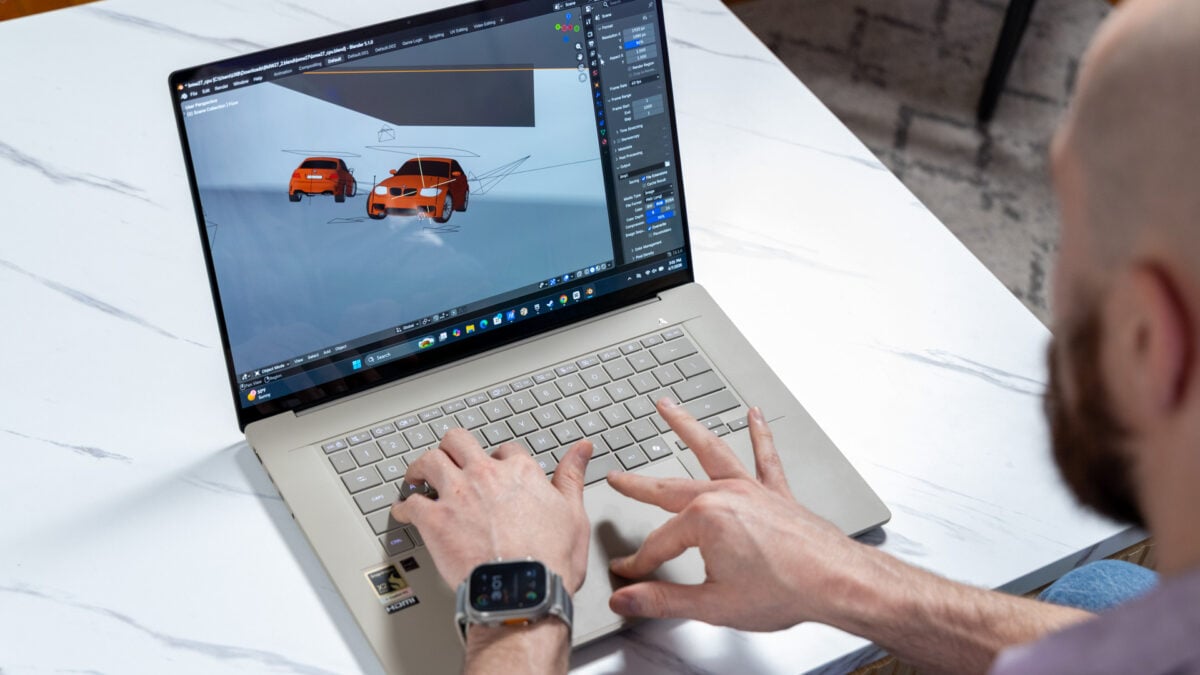
Qualcomm has released an early developer preview for running Linux on Snapdragon X2 laptops, marking a broader push to support open-source operating systems on its ARM hardware. The preview uses Debian 13 as its reference environment and includes boot support, core I/O, display and graphics functionality, and initial access to the Hexagon NPU, while Qualcomm works to upstream kernel and device support rather than maintaining isolated software forks. GPU, NPU, power-management, thermal, and other hardware support remains incomplete, so the preview is intended for developers with Snapdragon X2 devices rather than general users. Qualcomm says foundational Debian support is expected by the end of 2026, with Ubuntu certification targeted for the first half of 2027; ASUS has committed to offering Snapdragon X2 devices with Ubuntu. The effort could make Linux more practical on thin-and-light ARM laptops, though Qualcomm’s uneven Linux support for the earlier Snapdragon X platform has left some observers cautious about whether the company will fully deliver on its roadmap.
Key Points
1
The preview uses systemd-boot to load the Linux kernel on Snapdragon X2 systems, providing the boot mechanism needed for developers to begin testing the platform.
2
Early I/O support includes connectivity for standard USB peripherals and PCIe devices, allowing developers to test external hardware and internal system communication.
3
The graphics stack includes open-source Freedreno drivers, enabling a functioning desktop interface, hardware-accelerated web browsing and basic GPU computing even though broader Adreno support remains under development.
4
Qualcomm executive Kedar Kondap said, “For many years developers have asked us for one thing, Linux on Snapdragon. We heard you,” framing the effort as a response to longstanding developer demand.
5
The preview is built around a Qualcomm custom kernel for now, rather than a fully mature mainline implementation, so developers are still expected to help resolve substantial platform-specific issues before the support is ready for general use.
Sentiment
Mostly PositiveNEGATIVENEUTRALPOSITIVE
Publishers
21
Articles
4
Reach
25
A
AnonymousAuthor


