U.N. Assembly Confrontation
Cuban Delegation Walks Out as Trump Predicts Communist Government Will Fall
Anonymous
Key Points
1
Secretary of State Marco Rubio’s negotiations with Havana reportedly involve demands for economic reforms and the release of political prisoners, but the discussions have recently stalled.
2
The intensified energy pressure followed the removal of Venezuelan President Nicolás Maduro by the U.S. military in January, after which Washington imposed an effective oil blockade that cut Cuba off from its main source of Venezuelan oil.
3
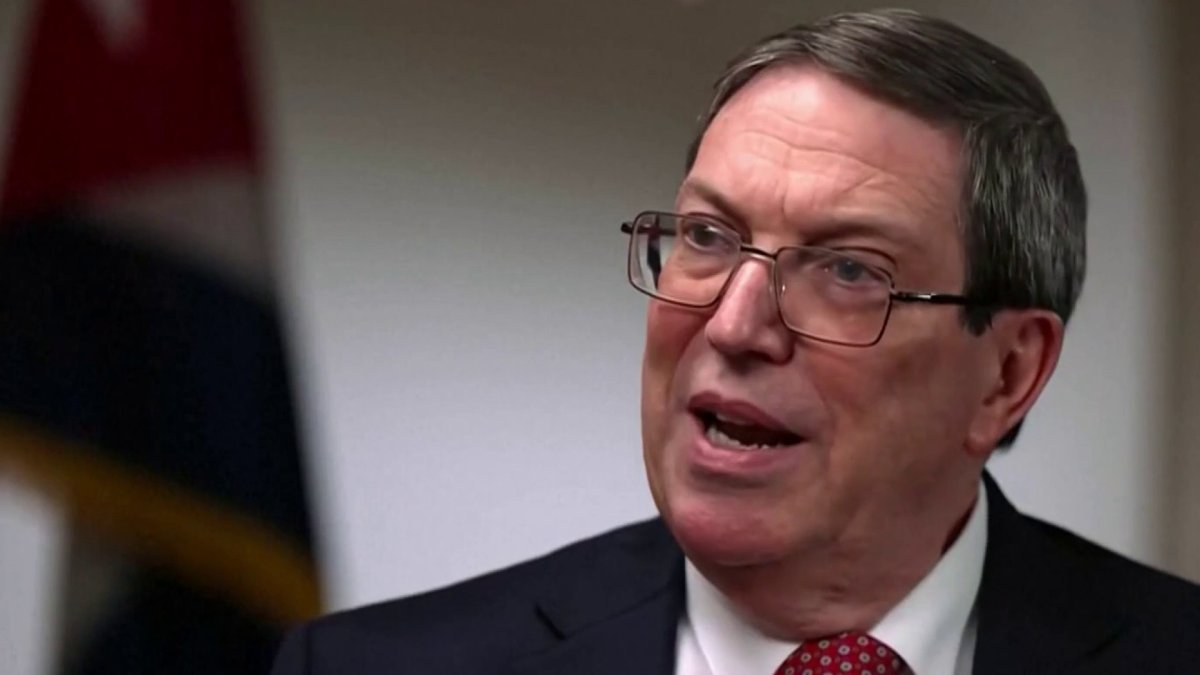
Cuban Foreign Minister Bruno Rodríguez said Washington was unable to justify what he called a “genocidal economic war” against the Cuban people and argued that portraying Cuba as a threat was meant to deny its right to self-determination.
4
Trump’s remarks included a warning that the United States would use its “unmatched military might” to protect Washington’s interests in Latin America, adding a broader regional security dimension to the confrontation.
5
Trump accused Cuba’s government of decades of coordination with U.S.-based groups including the Communist Party USA, Antifa and the Democratic Socialists of America.
Cuban diplomats walked out of the United Nations General Assembly on September 22 after President Donald Trump called their nation an "absolutely failed state" and predicted its imminent collapse. Forbes reports Trump declared at the podium: "Communism will never be coming to America, but freedom will be coming to Cuba." Cuban President Miguel Díaz-Canel and Foreign Minister Bruno Rodríguez immediately fired back, accusing Washington of spreading lies to justify what they called a "genocidal economic war." ABS-CBN News noted the walkout was a rare diplomatic gesture of defiance at the UNGA.
The confrontation erupted against a backdrop of escalating U.S. pressure. Al Jazeera reports that in January 2026, the U.S. military removed Venezuelan President Nicolás Maduro, after which Washington imposed an oil blockade that cut off Cuba's primary fuel source. The result: nationwide power outages, fuel shortages, and severe hardships across the island of 11 million people. Secretary of State Marco Rubio is leading negotiations with Havana, but Al Jazeera confirms talks have stalled over demands for economic reforms and the release of political prisoners.
Trump's Fiery Remarks Spark Walkout
Trump did not hold back during his UNGA speech. Forbes reports he called Cuba "failing like never before, and it will fall." The president also accused Havana of coordinating with U.S.-based groups including Antifa, the Communist Party USA, and the Democratic Socialists of America. He warned the U.S. would deploy its "unmatched military might" to protect American interests across Latin America. The Cuban delegation's departure sent a clear message of rejection to the entire assembly hall.
Cuba Fires Back at 'Genocidal' Embargo
Cuban leaders immediately rejected Trump's framing. ABS-CBN News reported that Foreign Minister Rodríguez posted on X: "The U.S. government is incapable of accepting that Cuba is and has the right to be a full sovereign and independent country." President Díaz-Canel accused Washington of inventing threats to mask the embargo. ABS-CBN News quoted him saying: "Unable to justify the punishment against the people of Cuba... the President of the United States repeats at the UN that Cuba represents a threat." Both leaders demanded the U.S. recognize Cuba's right to self-determination.
In September, Cuban diplomats had already signaled their anger. Struggle-La Lucha reported that Foreign Minister Rodríguez told a regional meeting that the U.S. energy blockade amounted to an "act of war" under international law. The oil embargo has devastated Cuba's economy. Al Jazeera confirmed the blockade severed access to Venezuelan crude, triggering cascading shortages of fuel and electricity that affect all 11 million islanders.
Rubio's Stalled Negotiations Demand Concessions
Secretary of State Marco Rubio is tasked with opening dialogue, but progress has stalled. Al Jazeera reports Rubio demanded economic liberalization and the release of political prisoners as preconditions. On September 23, Al Jazeera quoted Rubio saying: "Cuba has a golden opportunity to place itself on an irreversible path towards a better future." He added the U.S. is open to leaders whose "hands are not stained with blood." Cuba has rejected these conditions as intrusive and insulting to national sovereignty.
Six Decades of Animosity Take a New Turn
U.S.-Cuba tensions have simmered since Fidel Castro's 1959 revolution triggered a trade embargo that lasted over 60 years. Al Jazeera notes the two nations remain just 90 miles apart across the Florida Strait. Recent events have escalated hostilities sharply. The Venezuelan regime change in January cut Cuba off from Venezuelan oil shipments and triggered an effective naval blockade. Trump's January remarks in Forbes hinted at regime change ambitions, stating he expected the "honor of taking Cuba" and that Havana "seeks a deal." Now, with walkouts and accusations flying at the UN, a return to Cold War-style confrontation appears imminent.
Sentiment
Mostly NegativeNEGATIVENEUTRALPOSITIVE
Publishers
45
Articles
110
Reach
155
A
AnonymousAuthor


