Foreign Jets Considered
Indian Air Force May Explore Foreign Fighters If Indigenous AMCA Program Faces Delays
Anonymous
Key Points
1
Singh said the IAF needs to induct about 36 to 40 fighter aircraft each year to stem the decline in its combat fleet.
2
Defence Secretary Rajesh Kumar Singh said the government had not decided to pursue a foreign fifth-generation fighter programme and that AMCA remained India’s programme.
3
AMCA has reached the industry-selection stage: the Aeronautical Development Agency extended the deadline for industry proposals to October 30, with bids scheduled to be opened the following day.
4
Singh rejected the idea of creating a separate drone force, describing drones as an evolutionary part of air warfare and saying they should operate as part of the IAF’s integrated force alongside other weapons.
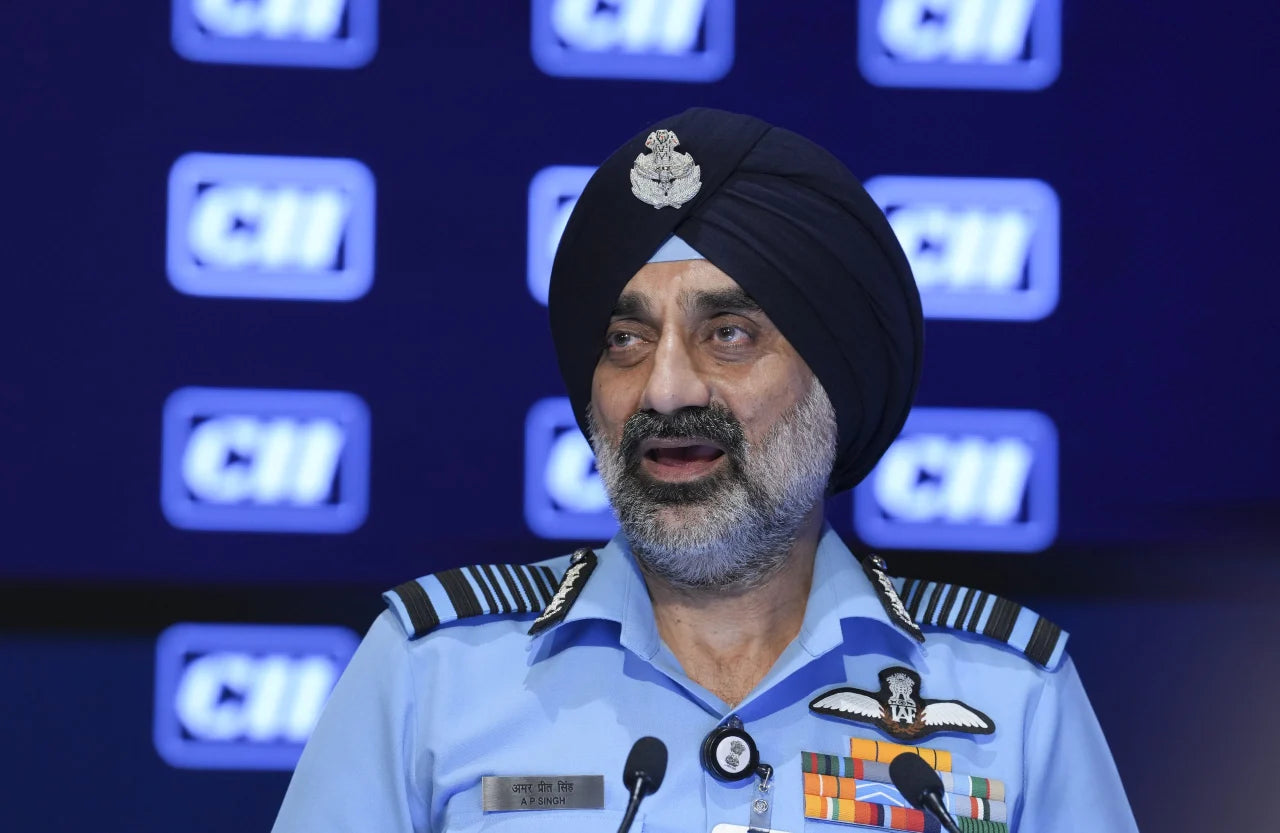
India's Air Chief Marshal Amar Preet Singh warned that the Indian Air Force may pursue foreign fifth-generation fighters if delays derail the indigenous Advanced Medium Combat Aircraft (AMCA) program. Telegraph India reported Singh said India could look abroad for jets to fill a growing gap in combat capability. The IAF currently operates roughly 30 fighter squadrons against an authorized strength of 42, with aging aircraft nearing retirement.
Singh stressed the IAF needs to induct 36 to 40 fighter aircraft annually to stem the fleet's decline. Defence.in noted that India's Defence Secretary Rajesh Kumar Singh clarified the government has not decided to pursue a foreign fifth-generation fighter program, emphasizing that AMCA remains the country's planned route to a domestically developed stealth fighter.
Fighter Squadron Strength Falls Short of Authorized Levels
The IAF's combat fleet has shrunk significantly below its sanctioned capacity. SSB Crack reported fighter squadron strength has dropped to 29, far below the authorized 42 squadrons. This shortfall stems partly from delays in the Tejas Mk1A fighter jet program, which has slowed the rate of new aircraft deliveries and left the force reliant on aging jets nearing the end of their service life.
The gap forces India to choose between accepting reduced readiness or seeking aircraft from abroad. Singh emphasized the urgency: to merely maintain current squadron numbers while replacing retiring aircraft, the IAF must add 36 to 40 new jets annually. Without this rate of induction, the shortfall will continue to widen, limiting India's air combat capability during a period of regional tension.
AMCA Program Reaches Industry Selection Stage
India's indigenous fifth-generation fighter development remains on track despite urgency around delays in other programs. Defence.in reported the Advanced Medium Combat Aircraft (AMCA) project has reached the industry-selection phase. The Aeronautical Development Agency extended the deadline for industry proposals to October 30, with bids scheduled to open on October 31, signaling progress in a multi-decade development effort.
Defence Secretary Rajesh Kumar Singh reiterated the government's commitment to the domestic program. He stated that India had not decided to pursue foreign fifth-generation fighters and that AMCA would remain the primary route to achieving a domestically developed stealth capability. This messaging aims to clarify that Russia's Su-57 offer, while noted, does not represent India's preferred direction.
Regional Pressure and Pakistan's Advanced Fighter Pursuit
Pakistan's advancement of its own fighter capabilities adds urgency to India's modernization timeline. Telegraph India noted regional developments, including Pakistan's pursuit of advanced fighter jets, increase pressure on the IAF to close the gap in combat aircraft strength and technological sophistication. Singh's warnings reflect anxiety that delays in indigenous programs could hand strategic advantage to regional rivals.
The combination of fleet shrinkage, modernization delays, and regional competition has forced the IAF to consider options it previously ruled out. Singh's openness to foreign purchases signals how acute the shortfall has become. However, officials maintain that buying foreign jets would serve only as a bridge measure while AMCA development proceeds—not as a replacement for the indigenous program.
Singh Rejects Separate Drone Force, Backs Integrated Air Warfare
Singh rejected calls to create a standalone drone force, describing unmanned aircraft as an evolutionary part of modern air warfare. Defence.in reported the Air Chief said drones should operate as part of the IAF's integrated force structure alongside conventional fighters, helicopters, and air defense systems. This stance reflects a doctrine where multiple weapon types work together rather than competing for resources.
The IAF also continues pursuing other fleet-modernization efforts beyond fighters. The Multi-Role Fighter Aircraft (MRFA) program represents another avenue for adding combat capability. By maintaining integration across multiple platforms—fighters, drones, and support systems—Singh argues the IAF can maximize effectiveness within budget constraints while the AMCA program advances toward production.
Sentiment
Mostly NegativeNEGATIVENEUTRALPOSITIVE
Publishers
18
Articles
17
Reach
35
Topics
A
AnonymousAuthor