IAF Drone Integration
IAF Chief Rejects Separate Drone Force and Stresses Integration Within Existing Units
Anonymous
Key Points
1
Singh also acknowledged that the IAF’s fighter aircraft numbers are declining, attributing the shortfall to slow inductions.
2
To address the fighter-aircraft gap, the IAF is looking at the Tejas Mark-1A and the MRFA programme, as well as future platforms.
3
The remarks were made at the IAF’s annual press conference in New Delhi on October 3.
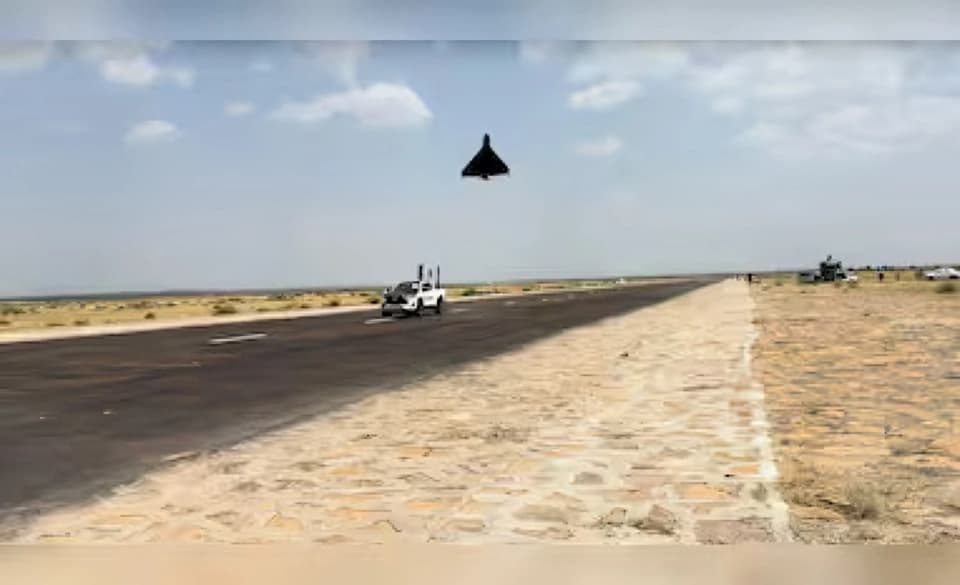
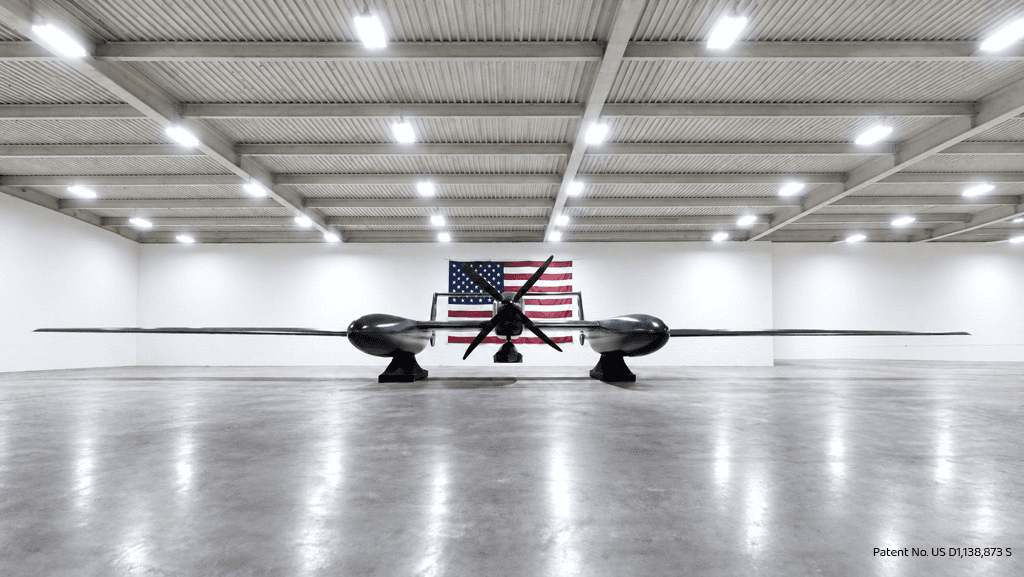
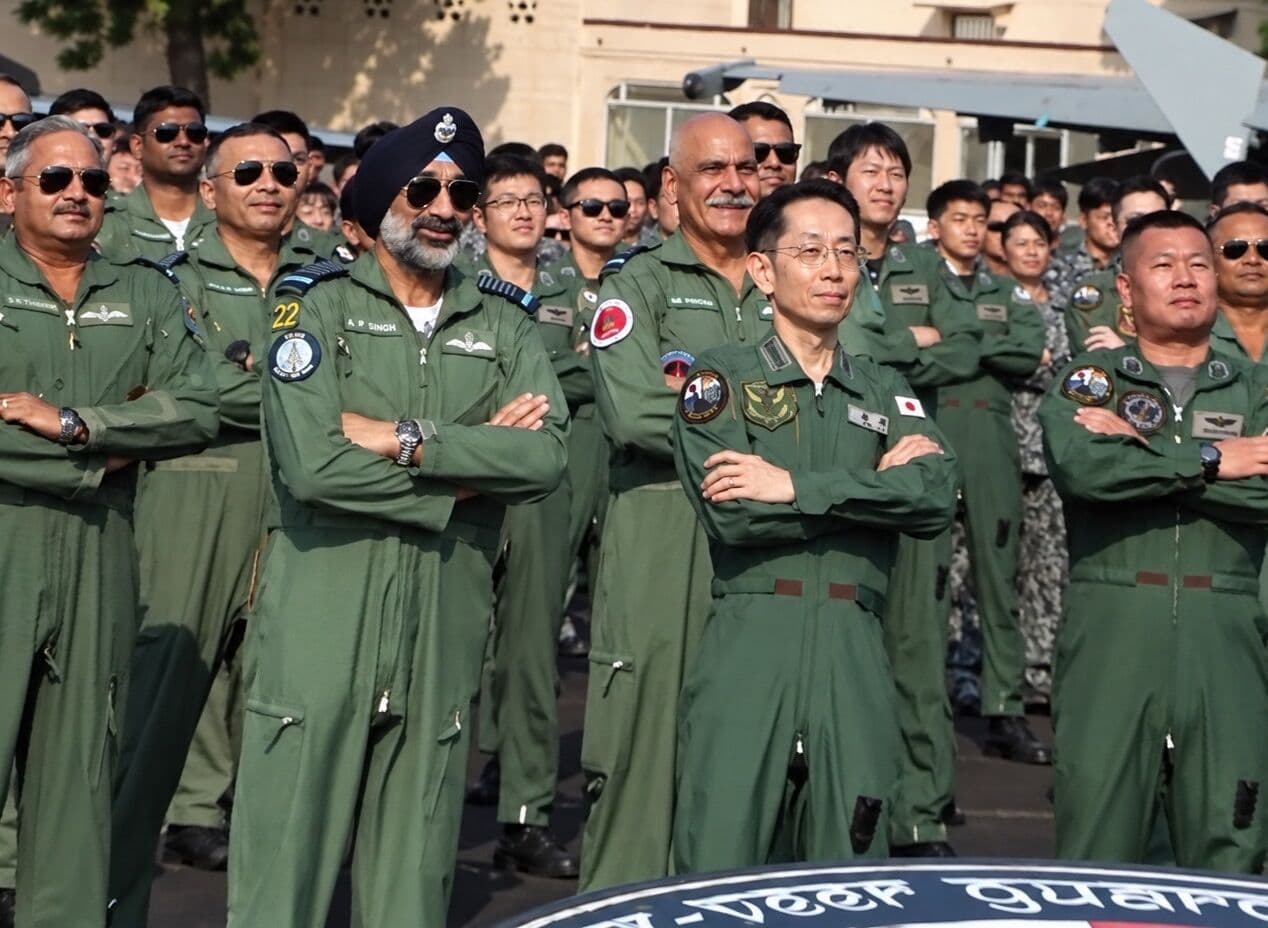
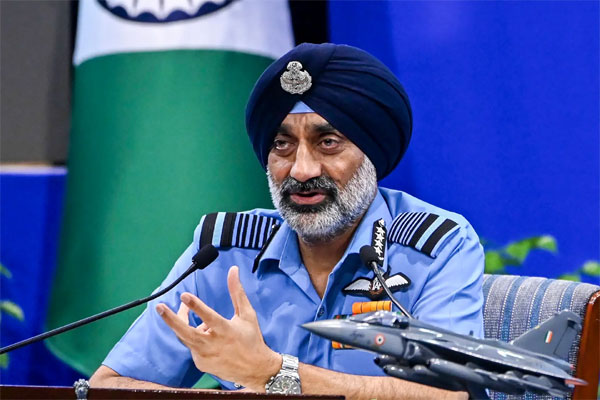
India's Air Force Chief Air Chief Marshal A.P. Singh rejected the idea of a separate drone force on October 3, saying unmanned systems are evolutionary—not revolutionary—capabilities that should be woven into existing operations CNBC-TV18. Singh argued that drones have been part of the IAF for decades and work best when integrated with fighter jets, helicopters, and air-defense systems rather than operating alone Economic Times.
The Air Chief also acknowledged a painful reality: India's fighter jet numbers are shrinking due to slow aircraft deliveries Economic Times. To plug the gap, the IAF is banking on the Tejas Mark-1A jet and an advanced MRFA program to add new combat aircraft in coming years Economic Times.
Drones Work Best Alongside Other Weapons
Singh stressed that unmanned systems—including loitering munitions—must operate as part of a larger force structure Economic Times. He pointed out that drones have already proven their worth by disrupting enemy operations and striking air-defense positions in recent global conflicts Economic Times. The IAF's existing specialized units can be expanded to handle growing drone operations without creating an entirely new service branch.
Air Power Becomes the Cutting Edge of Military Strategy
Singh declared that air power has emerged as the front line of military strength in modern warfare Daijiworld. Recent conflicts worldwide show that control of the aerospace domain—not ground troops alone—decides outcomes Daijiworld. This shift in military doctrine explains why the IAF is expanding its unmanned inventory and pushing for advanced platforms rather than splitting into separate units.
Fighter Jet Shortage Threatens India's Air Defenses
India's fighter aircraft fleet is shrinking faster than new planes arrive. The IAF's slow pace of jet inductions has created a manpower crisis that threatens combat readiness Economic Times. Singh signaled that the Tejas Mark-1A—India's indigenous light combat jet—and the MRFA procurement program are the IAF's main bets to reverse the downward trend in coming years Economic Times.
Sentiment
Mostly NegativeNEGATIVENEUTRALPOSITIVE
Publishers
11
Articles
13
Reach
24
A
AnonymousAuthor