Equinox And Harvest Moon
September Equinox And Harvest Moon Mark The Start Of Astronomical Autumn
Anonymous
Key Points
1
The September equinox determines which full Moon is designated the year’s Harvest Moon, according to the astronomy guide.
2
At the equinox, the Sun rises nearly due east and sets nearly due west; after it passes southward across the celestial equator, the Southern Hemisphere receives more sunlight than the Northern Hemisphere until the March equinox.
3
The apparent extension of daylight varies from a few minutes at the equator to more than 20 minutes near the poles. The effect results not only from atmospheric refraction but also from treating sunrise and sunset as the moments when the edge of the Sun’s roughly 0.5-degree disk appears or disappears.
4
A forest-restoration project at the Izaak Walton preserve in Des Plaines is using roughly 100 native shrubs—including ninebark, elderberry, wafer ash, gooseberry and choke cherry—to replace areas where invasive buckthorn had degraded the soil; restoration there began on April 20, 2024.
5
The Northern Hemisphere orientation of the Christian calendar is illustrated by Advent beginning as darkness increases and Christmas falling just after the winter solstice, a seasonal pattern that can feel reversed or less relevant for Christians living near the Equator or in the Southern Hemisphere.
The September equinox arrives on September 23, 2026, at 00:05 UTC—or the evening of September 22 for U.S. viewers—marking the Sun's crossing of the celestial equator and the start of astronomical autumn in the Northern Hemisphere Sky at Night Magazine. Despite its name meaning "equal night," the equinox does not deliver perfectly equal day and night because the Sun appears as a disk and Earth's atmosphere bends light, extending daylight by as much as 20 minutes near the poles Space.com.
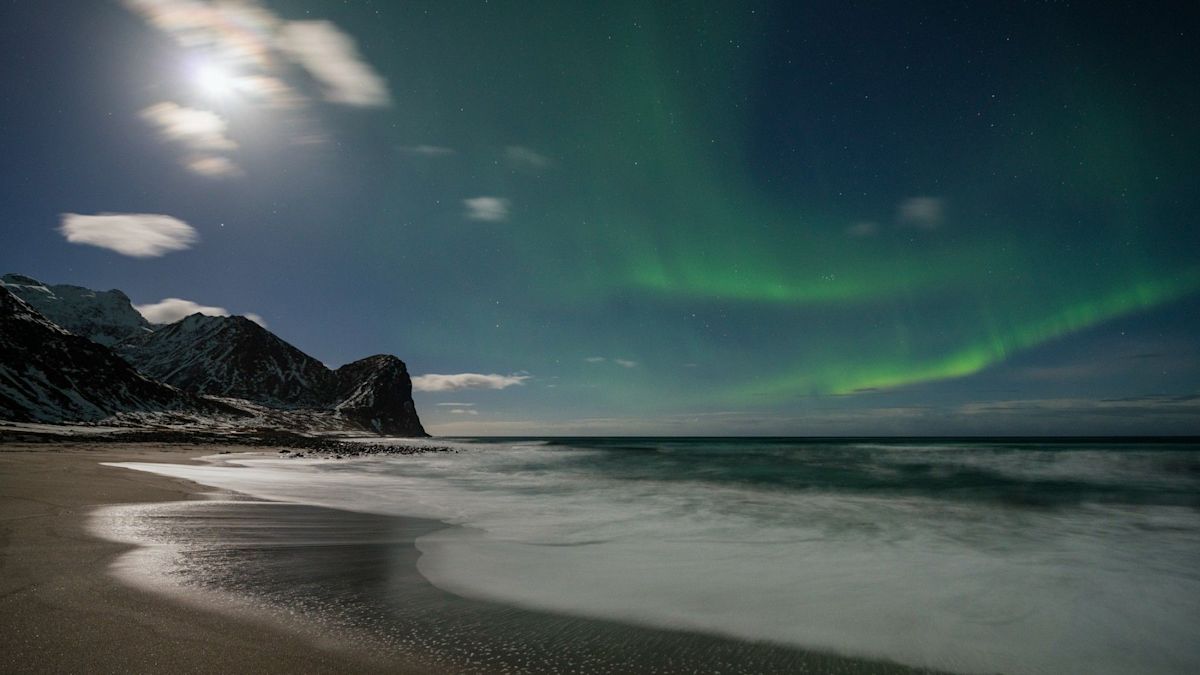
The equinox season brings two notable phenomena: auroras often intensify as Earth's magnetic field couples more efficiently with solar wind, yet the bright Harvest Moon—whose date hinges on the equinox—can wash out weaker auroral displays Space.com. Beyond astronomy, the seasonal shift prompts reflection on cultural calendars that center the Northern Hemisphere, with Christmas falling just after the winter solstice, a pattern that feels less relevant for Christians in the Southern Hemisphere or near the Equator.
The Sun Crosses the Celestial Equator
At the equinox, the Sun rises nearly due east and sets nearly due west, crossing an imaginary line that divides the night sky Space.com. After this crossing, the Southern Hemisphere begins receiving more sunlight than the Northern Hemisphere—a pattern that continues until the March equinox swings the advantage back north Space.com. The moment occurs at the same instant worldwide, though local clock times differ by time zone.
Why Daylight Seems Longer Than It Should
The apparent extension of daylight varies from just a few minutes at the equator to over 20 minutes near the poles Sky at Night Magazine. This happens for two reasons: Earth's atmosphere bends sunlight around the planet like a lens, and sunrise and sunset are measured from when the edge of the Sun's 0.5-degree disk appears or disappears, not its center Space.com. Together, these effects make "equal night" more of a rough guideline than an exact measurement.
Equinox Auroras Face a Bright Moon Rival
The equinox season brings a statistical spike in auroral activity because Earth's tilted magnetic field aligns more efficiently with the solar wind, creating ideal conditions for northern lights Space.com. However, the Harvest Moon—whose date is determined by the equinox—reaches its peak brightness around September 26, 2026, and its glow can overpower all but the strongest auroral displays Tech Yahoo. Stargazers hoping to see both phenomena may find their plans complicated by the lunar timing.
Forest Restoration Begins as Autumn Approaches
Beyond the night sky, the seasonal transition is sparking land restoration work. The Izaak Walton preserve in Des Plaines launched a forest-restoration project starting April 20, 2024, planting roughly 100 native shrubs—including ninebark, elderberry, wafer ash, and choke cherry—to replace soil damaged by invasive buckthorn. As daylight shortens heading into autumn, such restoration efforts highlight how human calendars and seasonal cycles shape both our astronomy and our stewardship of the land.
Sentiment
Mostly NegativeNEGATIVENEUTRALPOSITIVE
Publishers
11
Articles
4
Reach
15
Topics
A
AnonymousAuthor