Oil Surges Past $105
Oil prices top $105 a barrel following a reported Houthi port seizure.
Anonymous
Key Points
1
India imports about 90% of its crude oil, and Bank of Baroda estimates that every sustained $1-per-barrel increase in crude prices could add roughly ₹18,000 crore to the country’s annual import bill.
2
India’s crude-import bill had already risen 56% year over year to $63.37 billion during April-July, exceeding half of the country’s total oil-import expenditure in the previous financial year.
3
The Houthi advance reportedly included the seizure of Mayun Island as well as Mokha, giving the group additional leverage over traffic through the Bab el-Mandeb; energy analyst Sasha Foss said the developments were “frightening the oil market” and imperiled flows into and out of the Red Sea while Hormuz was already partially blocked.
4
Vessel traffic has fallen sharply through both the Strait of Hormuz and Bab el-Mandeb compared with pre-conflict levels; more than 100 ships a day had previously transited Hormuz before the conflict began on February 28.
5
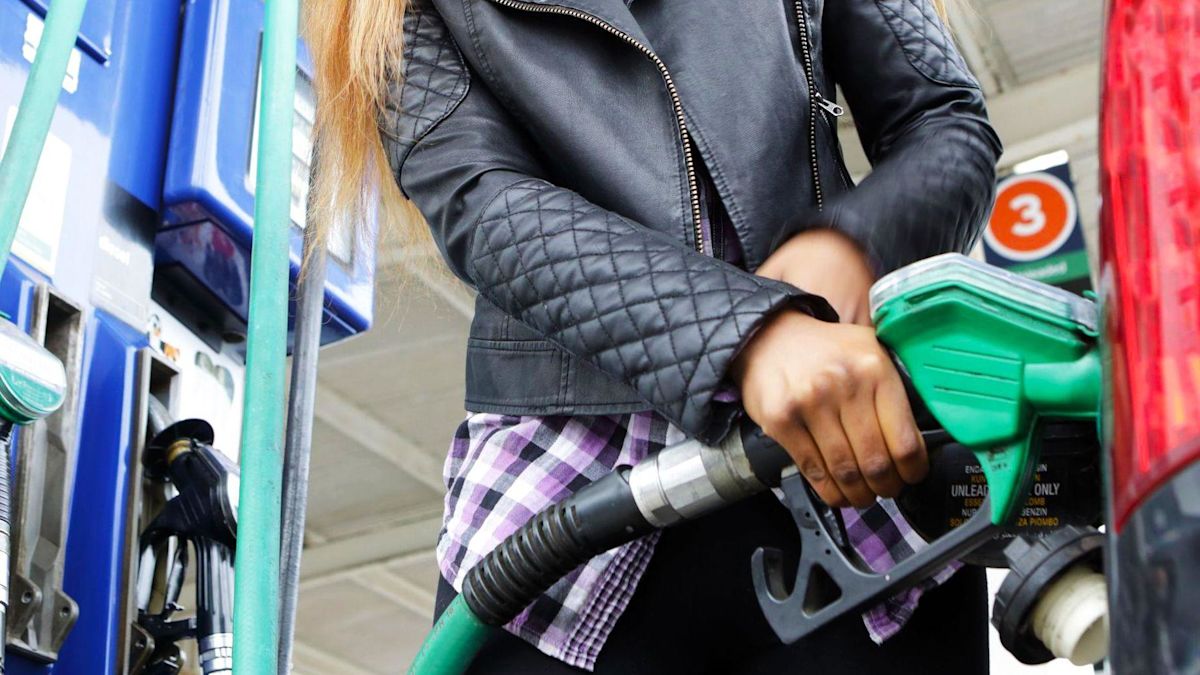
The price rally is also affecting refined fuels: U.S. retail diesel was approaching $6 a gallon, European gasoline futures were nearing $200 a barrel, and U.S. gasoline prices reached record highs over the Labor Day weekend.
Oil prices surged above $105 a barrel after Houthi forces reportedly seized Yemen's Red Sea port of Mokha, tightening their grip on a critical shipping chokepoint near the Bab el-Mandeb Strait. Yahoo Finance reported that Brent crude rose roughly 4% to about $105.40, while West Texas Intermediate topped $100, as traders priced in the risk of disrupted flows and higher shipping costs.
The seizure adds to growing supply concerns tied to tensions around the Strait of Hormuz and recent attacks on tankers. India's News noted that the escalation threatens vessel traffic through both critical waterways, with energy analyst Sasha Foss warning the developments were "frightening the oil market" and imperiling flows into the Red Sea while Hormuz remained already partially blocked.
India's Crude Bill Surges With Every Dollar Spike
India imports roughly 90% of its crude oil, making it highly exposed to price swings. According to India's News, Bank of Baroda estimates that every sustained $1-per-barrel increase in crude prices adds roughly ₹18,000 crore to the country's annual import bill—about $2.2 billion.
The pressure is already mounting. India's crude-import bill jumped 56% year over year to $63.37 billion during April-July, exceeding half of the country's total oil-import expenditure in the prior financial year. Airlines, refiners, oil marketers, shipping companies and exporters face rising fuel, insurance and freight costs.
Red Sea Blockade Joins Hormuz in Choking Global Supply
The Houthi advance reportedly included seizure of both Mayun Island and Mokha port, giving the group leverage over traffic through the Bab el-Mandeb—one of the world's busiest shipping lanes. India's News reported that vessel traffic has fallen sharply through both Hormuz and the Red Sea compared with pre-conflict levels.
More than 100 ships per day had previously transited the Strait of Hormuz before the conflict began on February 28. Saudi Arabia has reportedly rerouted some crude shipments away from the Red Sea to dodge the new risks. With two critical routes now partially or fully threatened, markets face compounding supply fears.
Refined Fuel Prices Hit Record Highs Across Markets
The oil rally is rippling through refined fuels globally. U.S. retail diesel is approaching $6 a gallon, European gasoline futures are nearing $200 a barrel, and U.S. gasoline prices reached record highs. Yahoo Finance noted that Oil and Gas reported the conflict risks could persist, fueling ongoing inflation pressures.
Households, industries and transport operators face mounting fuel bills with no clear resolution in sight. Each supply disruption from Red Sea or Hormuz tensions adds another layer of cost, pushing inflation higher and squeezing budgets worldwide, particularly in energy-import-dependent nations like India.
Sentiment
Mostly NegativeNEGATIVENEUTRALPOSITIVE
Publishers
25
Articles
47
Reach
72
A
AnonymousAuthor


