Sleep Health and Risks
New Research Links Disrupted Sleep and Nighttime Light to Heart and Brain Risks
Anonymous
Key Points
1
A 2017 systematic review cited in the snoring report found that people with sleep-disordered breathing had a 26% higher risk of developing cognitive impairment; the report emphasized that this is an association, not proof of causation.
2
A 22-year study of nearly 3,000 middle-aged women found that persistent insomnia combined with short sleep was associated with up to a 75% higher risk of cardiovascular disease, independently of depression, hot flashes and weight.
3
In the machine-learning study, sleep-stage patterns identified moderate-to-severe sleep-disordered breathing with an AUROC of 76.1%, while a separate survival model predicted cardiovascular events over more than a decade with a concordance index of 73.3%.
4
The nighttime-light study used a threshold of 3 lux—roughly comparable to moonlight or light entering beneath a closed door—and found that exposed participants had thicker left-ventricular walls and less efficient cardiac contraction and pumping.
5
The circadian-eating report attributes the morning calorie advantage partly to higher diet-induced thermogenesis and better morning insulin sensitivity; it also says that a larger breakfast may improve ghrelin and leptin regulation and reduce cravings.
Poor sleep is linked to serious heart and brain problems, according to new research. A machine-learning study of 2,579 adults found that sleep patterns could predict heart attacks over more than a decade SciTechDaily. Snoring, breathing interruptions, and even dim nighttime light all show ties to heart damage and memory loss.
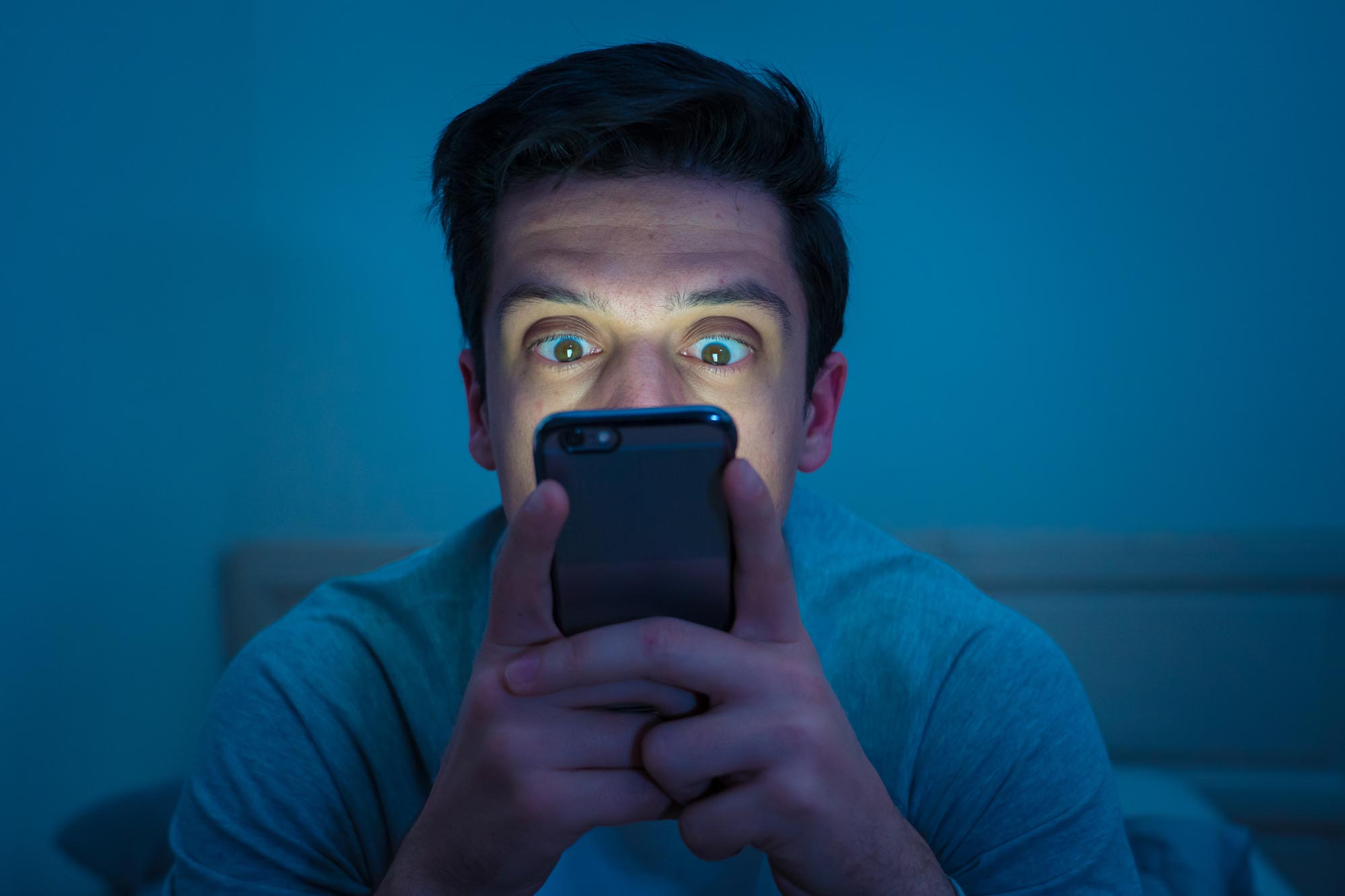
These findings matter because sleep troubles are common. The Cardiology Advisor reports that even low-level light at night—about as bright as moonlight—thickened heart walls and weakened pumping in study participants. Researchers say fixing sleep could protect your heart and mind.
Sleep-Disordered Breathing Predicts Heart Events
A 2017 review found that people with sleep-disordered breathing—when breathing stops and starts during sleep—had a 26% higher risk of cognitive impairment. But experts stressed this shows a link, not proof that one causes the other. The new machine-learning model spotted moderate-to-severe breathing problems with 76% accuracy just by analyzing sleep stages.
The same model predicted heart attacks over 10+ years with 73% accuracy SciTechDaily. Snoring and repeated oxygen drops strain the heart and brain. A 22-year study of 3,000 middle-aged women showed that persistent insomnia plus short sleep raised heart disease risk by up to 75%, even after accounting for depression and weight Health Yahoo.
Dim Light at Night Damages Heart Structure
Sleeping with even dim light—as little as 3 lux, roughly moonlight sneaking under a door—linked to harmful heart changes The Cardiology Advisor. Participants exposed to this light developed thicker left-ventricle walls. The heart's left ventricle pumps blood to the whole body, so thickening reduces its efficiency.
The thickened walls meant the heart pumped less effectively, raising cardiovascular disease risk. Experts say keeping bedrooms dark—truly dark—protects the heart during sleep. Most people don't realize nighttime light exposure matters. Blackout curtains or eye masks offer simple fixes.
Timing Meals May Boost Metabolic Health
Beyond sleep itself, when you eat affects heart and metabolic health. Eating a larger breakfast and lighter, earlier dinner may support better metabolism. Morning calories trigger higher diet-induced thermogenesis—basically, your body burns more energy digesting morning food. Earlier eating also improves morning insulin sensitivity.
A bigger breakfast may regulate hunger hormones ghrelin and leptin, cutting cravings throughout the day. Combined with good sleep and proper light exposure, eating early supports heart health. However, individual schedules and medical conditions vary, so talk to your doctor about what works for you.
Sentiment
Mostly NegativeNEGATIVENEUTRALPOSITIVE
Publishers
14
Articles
7
Reach
21
A
AnonymousAuthor


