Glacial flood risk reduction.
Nepal plans a fifty million dollar project to drain four dangerous glacial lakes.
Anonymous
Key Points
1
Nepal has previously lowered the water level of Tsho Rolpa by about three metres in 2000 and later carried out similar risk-reduction work at Imja Lake, giving it experience with glacial-lake mitigation.
2
The four selected lakes sit between 4,050 and 5,483 metres above sea level; a 2020 assessment by UNDP and ICIMOD ranked them among Nepal’s most potentially dangerous glacial lakes.
3
Rescue teams were still searching for more than 5,000 people reported missing in the border region with China after the August disaster.
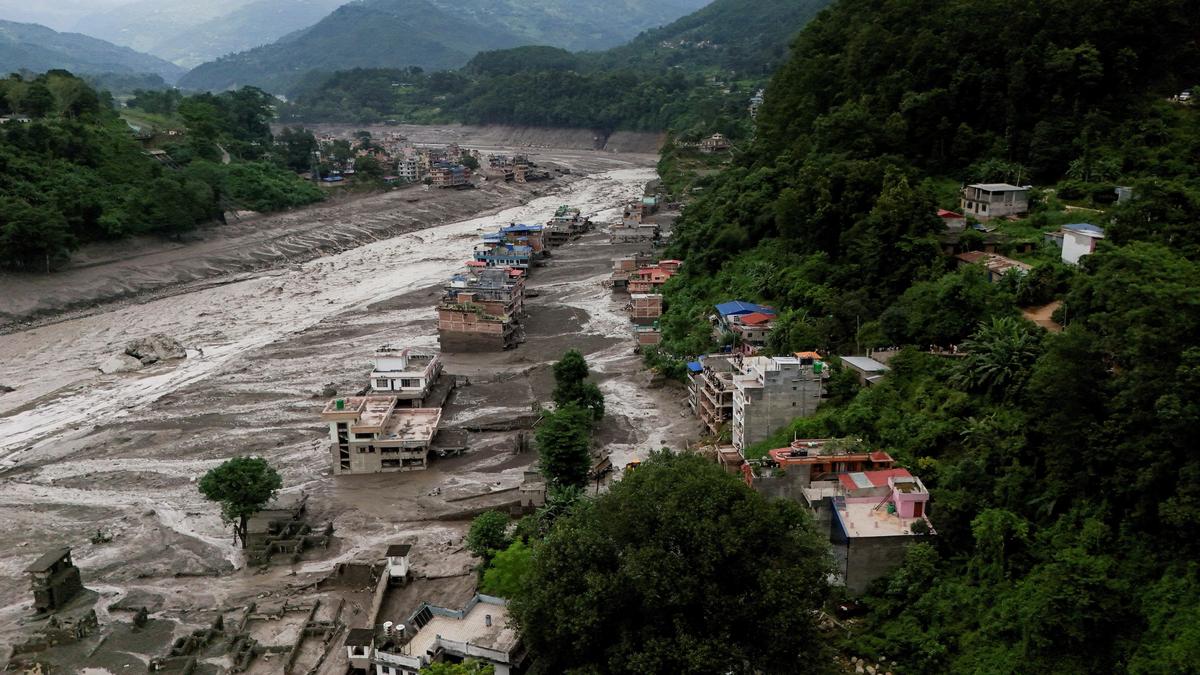
Nepal is launching a $50 million effort to drain four dangerous glacial lakes high in the Himalayas, aiming to prevent future catastrophic floods Review Nepal. The project targets Thulagi, Lower Barun, Lumding Tsho and Hongu II — lakes sitting between 4,050 and 5,483 meters above sea level that experts rank among Nepal's most hazardous The Independent. The plan comes after an August glacier collapse and flash flood killed over 1,400 people, with more than 5,000 still reported missing in the border region with China.
Detailed studies and designs will begin during the fiscal year ending mid-July 2027, with controlled drainage through canals and gated structures potentially taking six years Digg. The project includes monitoring sensors, flood forecasting systems and early-warning measures for downstream communities. Funding is expected from the Green Climate Fund, the UN Development Programme and Nepal's government, though work at extreme altitudes carries major logistical and safety risks.
Nepal's Experience With Glacial Lake Mitigation
Nepal has tackled glacial-flood risks before. In 2000, rescue teams lowered the water level of Tsho Rolpa by about three meters The Hindu. The country later carried out similar risk-reduction work at Imja Lake, gaining valuable experience with large-scale drainage projects. This track record suggests Nepal has the technical knowledge to execute the current $50 million effort, though the scale and complexity will be significantly greater.
Four Lakes Identified as Extreme Flood Threats
A 2020 assessment by the UN Development Programme and ICIMOD ranked the four target lakes among Nepal's most potentially dangerous glacial lakes The Hindu. All sit at altitudes exceeding 4,000 meters, where extreme weather and terrain make any construction and monitoring work extremely challenging. The lakes have grown unstable as climate change accelerates glacier melt across the Himalayas.
Disaster Spurs Government Action on Flood Prevention
The August catastrophe demonstrated the devastating power of glacial floods in Nepal's mountain valleys. Over 1,400 people died, with rescue teams continuing the search for more than 5,000 missing persons The Independent Review Nepal. The scale of the disaster pushed Nepal's authorities to act quickly on long-standing glacial-hazard risks, fast-tracking the drainage project from planning stages into immediate action.
Multi-Year Timeline Requires Sustained International Funding
The $50 million drainage project will unfold in phases over roughly six years once construction begins Digg. Initial studies and detailed designs run through mid-July 2027, followed by the actual drainage work. Nepal is banking on international climate finance — particularly the Green Climate Fund and UNDP support — to sustain funding across multiple budgeting cycles, a challenge for countries facing competing development priorities.
Sentiment
Mostly NegativeNEGATIVENEUTRALPOSITIVE
Publishers
11
Articles
78
Reach
89
Topics
A
AnonymousAuthor


