Whale Calf Bacterial Infection
Scientists Investigate Mysterious Bacterial Infection Linked to Argentina Whale Calf Deaths
Anonymous
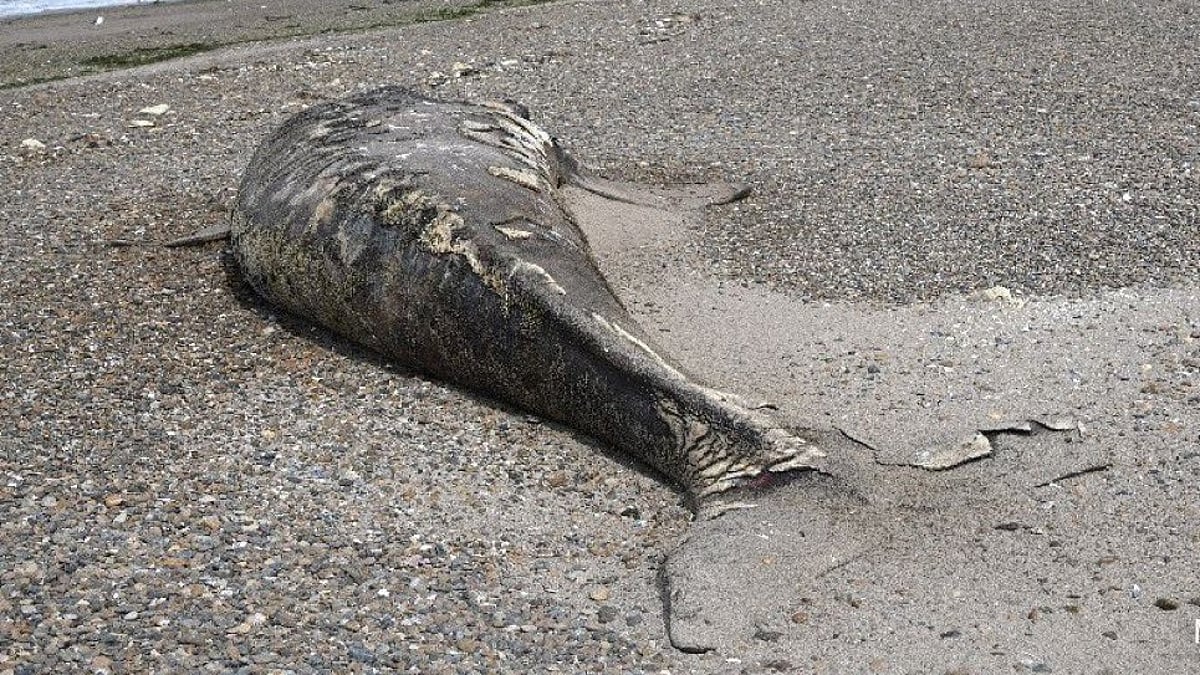
Scientists in Argentina are investigating an unusually high number of southern right whale calf deaths along the coast of Chubut province, where dozens of dead calves have washed ashore since June. Veterinarians suspect erysipelas, a bacterial infection, but the cause has not been confirmed; researchers and provincial authorities are testing samples, and so far have found no evidence linking the deaths to human activity, though that possibility has not been ruled out. Researchers say the deaths are not currently considered a medium-term threat to the population, which gathers to breed around Puerto Madryn and the Valdés Peninsula.
Key Points
1
The latest survey counted 1,375 whales in the area, including nearly 400 calves; the 2025 count was a record 2,110 whales, with more than 800 calves.
2
The deaths have primarily affected calves rather than adult southern right whales. Researchers are investigating whether underlying illness or weaker immune protection could make young whales more vulnerable; calves rely on their mothers for nutrition and immune support.
3
Researchers found a naturally occurring bacterium in seawater and samples from dead calves, but have not established whether it caused the deaths.
4
Local authorities put the southern right whale’s average lifespan at about 60 years, a factor cited in assessments that the current deaths do not pose a medium-term danger to the population.
Sentiment
Mostly NegativeNEGATIVENEUTRALPOSITIVE
Publishers
9
Articles
18
Reach
27
Topics
A
AnonymousAuthor


