Alonso Questions F1 Regulations
Fernando Alonso Weighs F1 Future Amid Concerns Over Regulations and Racing Quality
Anonymous
Key Points
1
Alonso’s Aston Martin contract is due to expire at the end of the current season, and he has not yet committed to an extension.
2
Alonso has argued that the 2026 cars are so counter-intuitive that drivers must sometimes coast through high-speed corners to harvest energy, rather than attack them at maximum speed.
3
The planned technical revisions include increased fuel flow, which is intended to reduce dependence on battery power and allow drivers to push harder and drive more naturally.
4
Alonso’s discussions with FIA President Mohammed Ben Sulayem are also connected to possible changes to the ADUO catch-up mechanism, which could help struggling power-unit manufacturers such as Honda.
5
Despite his criticism of the racing product, Alonso said he remains positive about Formula 1’s current popularity and added that the sport must ultimately be trusted while it evaluates further changes.
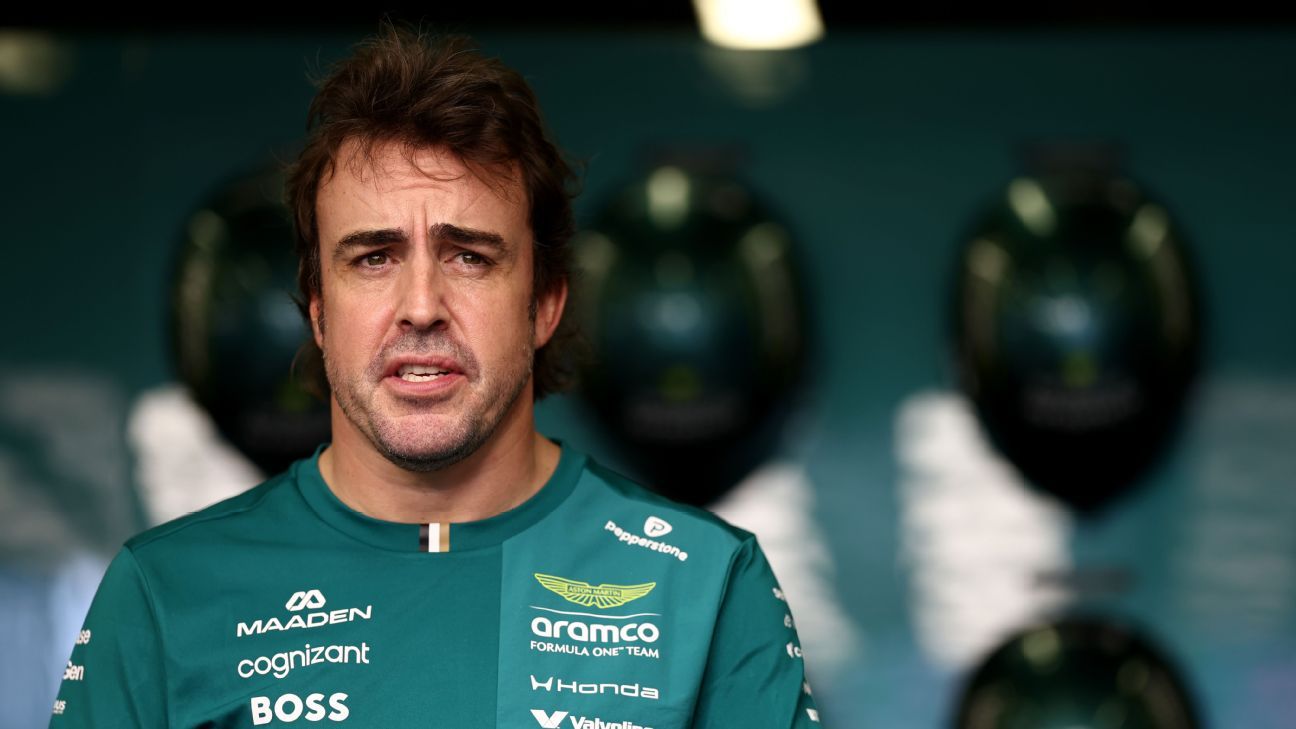
Fernando Alonso is reconsidering his Formula 1 future beyond 2026, but not because of Aston Martin's performance. The two-time world champion says his decision hinges on the sport's racing quality and regulations ESPN. Alonso argues that current hybrid power units force drivers to manage batteries and sometimes coast through corners instead of attacking at full speed Pitpass.
Alonso has told F1 CEO Stefano Domenicali and FIA President Mohammed Ben Sulayem that classic circuits like Silverstone, Spa, and Suzuka have lost their character under today's rules The Hindu. He's already in talks about possible technical changes that could persuade him to stay ESPN. F1 has approved more combustion power starting in 2027, but Alonso wants even bigger adjustments to restore drivers' instinct to push harder.
How Battery Management Broke the Racing Formula
Under the 2026 regulations, drivers must harvest electrical energy through corners and straights. This means they often coast at lower speeds through high-speed turns to collect battery power, rather than attacking at maximum throttle Pitpass. The system is so counter-intuitive that it sometimes rewards slower corner speeds on a single lap, even if those speeds hurt overall race pace.
Alonso believes this rule set fundamentally changes how drivers race. Instead of relying on instinct and bravery, pilots must constantly calculate energy levels The Hindu. The result: races feel more like battery management puzzles than pure speed competitions. Alonso says this kills the excitement fans expect from Formula 1.
Iconic Circuits 'Assassinated' by Modern Rules
Silverstone, Spa-Francorchamps, and Suzuka are traditionally high-speed challenges where drivers attack relentlessly. But today's hybrid formula has stripped away what makes these tracks special The Hindu. Drivers cannot push flat-out through fast corners without losing battery charge. The circuits' demanding character has been dulled by energy management requirements.
Not all circuits suffer equally. Alonso acknowledged that Monaco and Budapest still produce good racing ESPN, likely because those tracks feature slower speeds and tighter turns that suit the current power unit design. However, the sport's most iconic high-speed venues have been compromised by the rules Pitpass.
F1 and FIA Exploring Changes to Win Alonso Back
Alonso's contract with Aston Martin expires at the end of the current season ESPN. Rather than haggle over money or team performance, he is pushing F1 leadership for technical rule changes. FIA President Mohammed Ben Sulayem has indicated that changes are possible, including adjustments to the ADUO catch-up mechanism that helps struggling manufacturers like Honda ESPN.
F1 has already approved increased fuel flow starting in 2027, designed to reduce battery dependence and let drivers push harder ESPN. Alonso believes this is progress but wants more aggressive reforms. He remains optimistic about Formula 1's overall popularity and trusts the sport to deliver further improvements ESPN.
Sentiment
Mostly NegativeNEGATIVENEUTRALPOSITIVE
Publishers
14
Articles
23
Reach
37
Topics
A
AnonymousAuthor


