Badakhshan Insurgency Tests Taliban
Taliban Faces Emerging Local Insurgency and Internal Clashes in Strategic Badakhshan
Anonymous
Key Points
1
Badakhshan’s strategic location—bordering Pakistan’s Wakhan corridor, Tajikistan and China—adds geopolitical significance to the province’s challenge to Taliban control. The region’s rugged terrain, predominantly non-Pashtun population and distance from Kandahar have historically made it difficult for Kabul to govern.
2
The recent fighting in Badakhshan has involved several anti-Taliban actors: the Homeland Soldiers Front briefly seized the Yaftal-e Payin district center, while the Afghanistan Freedom Front claimed that it killed 21 Taliban fighters in a joint offensive in Zebak district. The Taliban attributed the temporary loss of Yaftal-e Payin to infiltrators attacking while local commanders were on leave.
3
The infrastructure inherited by the Taliban included not only a bureaucracy but also a financial system and administrative structure built by the Western-backed government. These institutions could have been used to rebuild the country and improve governance, but the article argues that this opportunity has been squandered.
4
The reported $2.26 trillion U.S. cost of the Afghanistan war included more than $900 billion in direct war-fighting and overseas-contingency spending, about $530 billion in interest on war borrowing and nearly $300 billion in veterans’ medical and disability care.
5
The United States recorded approximately 2,459 military deaths and more than 20,700 personnel wounded in action during the Afghanistan conflict; the article also notes that thousands of U.S. government and military contractors were killed.
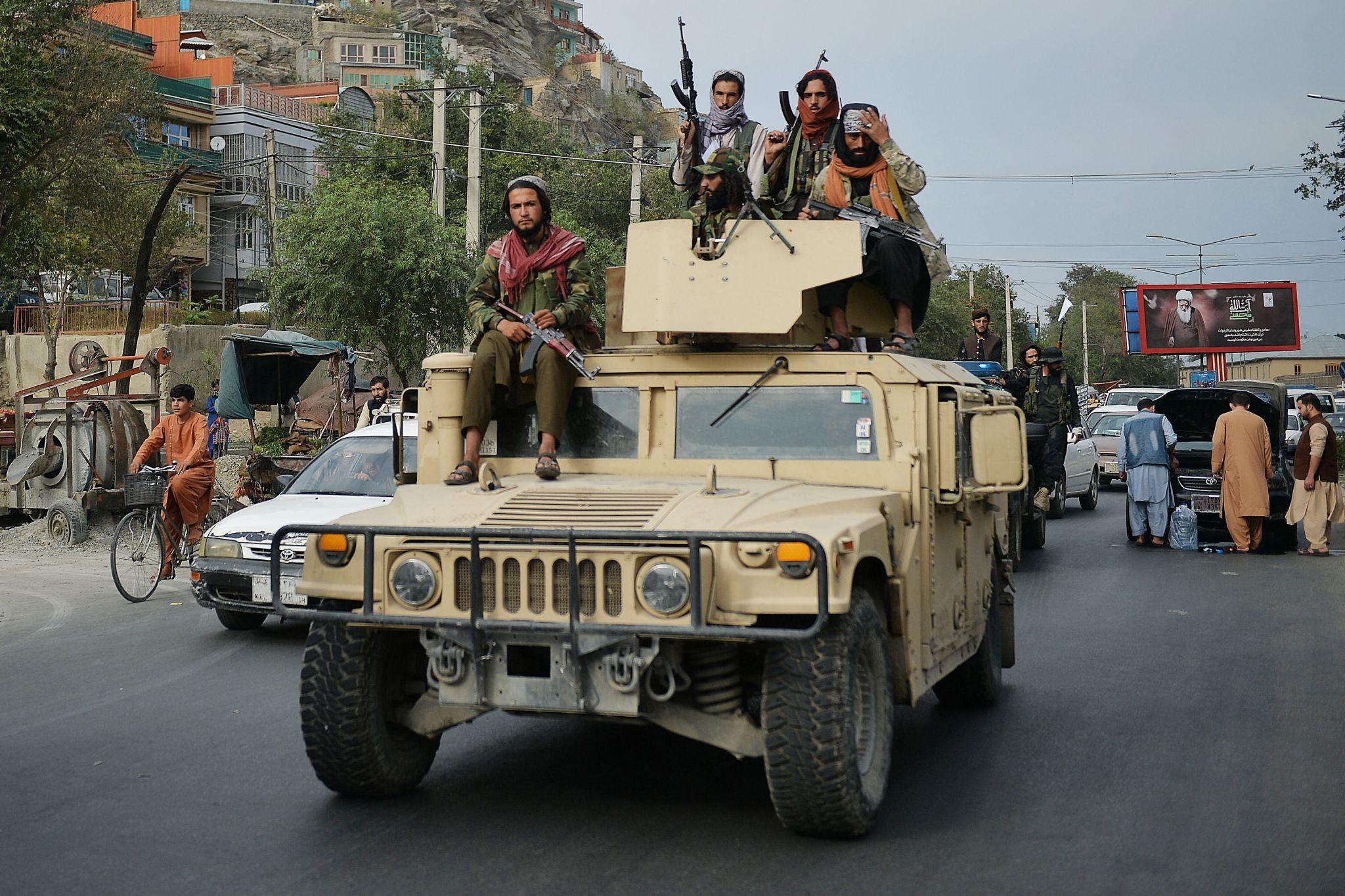
The Taliban's grip on Afghanistan is cracking in unexpected places. In Badakhshan, a mountainous province bordering Pakistan, Tajikistan, and China, anti-Taliban groups have seized district centers and killed dozens of fighters in coordinated attacks The Jamestown Foundation. The insurgency exposes a hard truth: two decades of American investment in Afghan institutions created a functioning state that the Taliban inherited—but has squandered Eurasia Review.
The Taliban promised stability and unity. Instead, they have imposed rigid ideology while failing to rebuild. Women face escalating restrictions embedded in official decrees amu.tv. And the cost of two decades of war—roughly $2.26 trillion in U.S. spending and 2,459 American deaths—makes a fresh military intervention politically impossible, even as instability spreads Eurasia Review.
Why Badakhshan Became a Flashpoint
Badakhshan has always been hard to rule from Kabul. The province is rugged, remote, and mostly non-Pashtun—it sits far from Taliban strongholds in the south The Jamestown Foundation. Disputes over mining revenues and leadership appointments have deepened friction between local commanders and central authority. When the Taliban tried to impose control, local leaders resisted.
Recent fighting shows the depth of discontent. The Homeland Soldiers Front briefly captured Yaftal-e Payin district center. The Afghanistan Freedom Front claimed it killed 21 Taliban fighters in Zebak district The Jamestown Foundation. The Taliban blamed infiltrators and claimed commanders were on leave—a telling admission of weak local control Eurasia Review.
A Failed Opportunity to Govern
When the Taliban took power in 2021, they inherited more than just buildings. They got a working bureaucracy, a financial system, and administrative structures built by the West over 20 years Eurasia Review. They had the tools to rebuild Afghanistan and prove they could govern effectively. Instead, they used them to tighten control.
The Taliban chose ideology over reconstruction. They filled government positions with loyalists, not capable administrators. Services decayed. Corruption spread. The inherited state apparatus—potentially a foundation for progress—became just another tool for imposing Taliban rule Eurasia Review.
Women Face Intensifying Legal Repression
The Taliban's restrictions on women and girls have moved from informal pressure to official policy. Edicts now control what women can wear, where they can work, and whom they can marry amu.tv. Rules around child marriage have intensified, even though the practice was already common under previous governments amu.tv.
Afghan women's rights advocates warn that these restrictions are becoming institutionalized amu.tv. Once written into law, they become harder to reverse. The longer Taliban rule persists unchallenged, the more entrenched these policies become Eurasia Review.
America's War Costs Make Military Return Unlikely
The U.S. spent roughly $2.26 trillion in Afghanistan over 20 years. Direct war costs totaled about $900 billion. Interest on war borrowing added $530 billion. Veterans' medical care consumed nearly $300 billion Eurasia Review. American forces suffered 2,459 deaths and more than 20,700 wounded Eurasia Review.
That staggering cost means a fresh U.S. military intervention is politically impossible. Politicians cite these numbers when opposing new Afghanistan commitments. The damage is done, the bill is astronomical, and public support is exhausted Eurasia Review. Yet the Taliban's failures suggest Afghanistan remains unstable—a problem the U.S. helped create but cannot easily solve.
Sentiment
Mostly NegativeNEGATIVENEUTRALPOSITIVE
Publishers
14
Articles
2
Reach
16
A
AnonymousAuthor


