Afghanistan's Education Crisis Deepens
Taliban's Ban on Afghan Girls' Education Fuels Health Crisis, Economic Loss
Anonymous
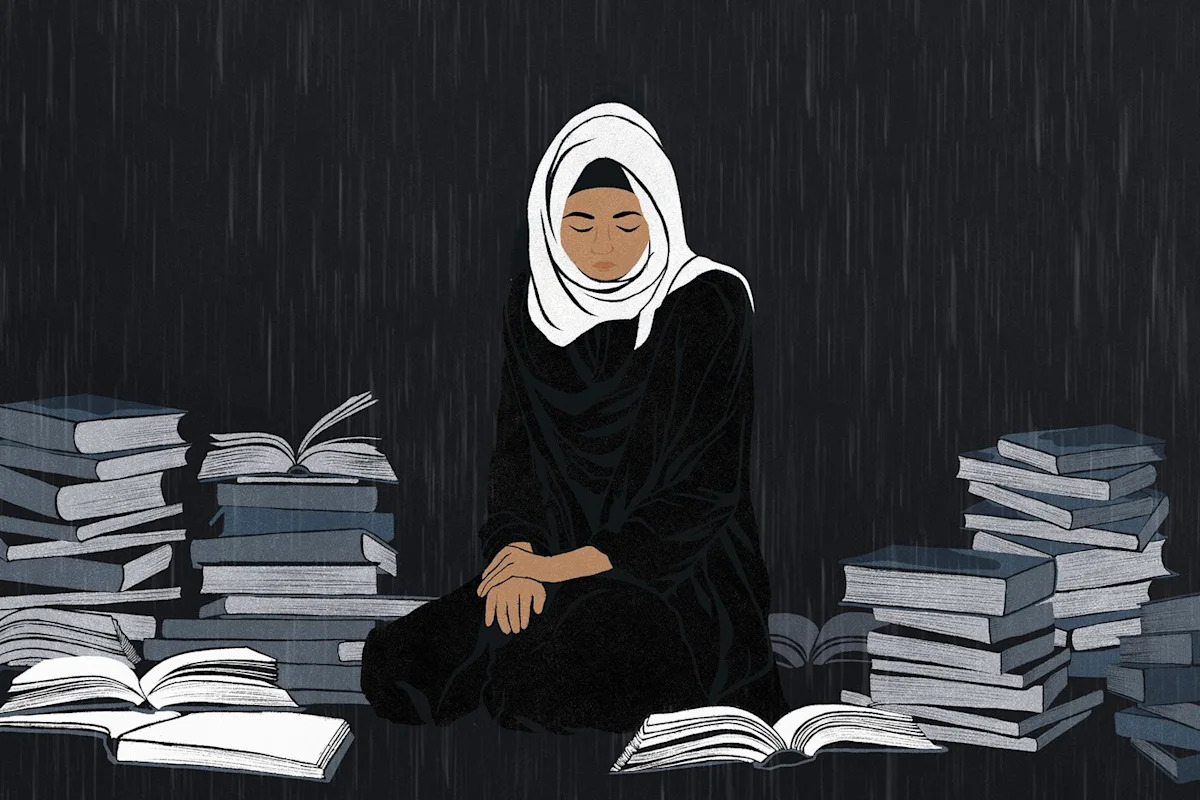
The Taliban has barred Afghan girls from attending school beyond sixth grade, citing its interpretation of Islamic law. The ban is not just a personal tragedy — it is costing Afghanistan's economy $500 million every year, according to The Independent.
The consequences stretch far beyond lost income. Child marriages are rising. Female suicides are increasing. And Afghanistan — already one of the deadliest countries in the world to give birth — is running out of qualified women to help mothers and babies survive, The Independent reports.
One Young Woman's Death Puts a Face on the Crisis
The human cost of the ban is starkly personal. One young Afghan woman took her own life after being pulled out of school, according to MDJ Online. Her story is not unique. Researchers and aid workers say female suicides have increased since the Taliban returned to power in 2021 and began rolling back girls' rights.
For many Afghan girls, school was more than an education. It was a path to a future. When that path was cut off, the emotional toll became unbearable for some. The Taliban government has not responded to repeated requests for interviews or comment, The Independent noted.
Medical Ban Puts Mothers and Newborns at Deadly Risk
The Taliban has also stopped women from taking medical courses. Afghanistan already has a severe shortage of midwives and one of the world's highest maternal mortality rates. Now, experts warn that the shortage of trained female medical workers could cause an additional 1,600 mothers and more than 3,500 infants to die in 2024 alone, according to The Independent.
In many Afghan communities, cultural rules mean women will only be seen by female doctors. With fewer women allowed to train in medicine, sick women go without care. The result is a public health system collapsing in slow motion — one preventable death at a time.
Child Marriage Surges as Girls Lose Access to Classrooms
When girls cannot go to school, many families turn to marriage as the next step. Child marriage rates have climbed sharply since the ban took effect, WWLTV reports. Younger brides face higher risks of complications during pregnancy and childbirth — feeding directly into the maternal mortality crisis.
Experts say education is one of the most powerful tools for delaying marriage and reducing pregnancy risks. Without it, cycles of poverty and early childbearing become harder to break. The ban, critics argue, is not just an education issue — it is a health emergency and a humanitarian one.
$500 Million Annual Loss Compounds Afghanistan's Deep Poverty
Afghanistan is already one of the poorest countries on Earth. The secondary school ban alone strips $500 million from the economy every year, The Independent reports. That figure reflects lost productivity — girls who could have become doctors, teachers, engineers, and business owners but cannot.
The longer the ban stays in place, the deeper the damage runs. Each year without schooling is a year of skills, income, and economic growth that can never be recovered. International organizations have called on the Taliban to reverse course, but so far the restrictions remain firmly in place.
Sentiment
NeutralNEGATIVENEUTRALPOSITIVE
Publishers
6
Articles
5
Reach
6
Topics
A
AnonymousAuthor


