Scottish wind scheme risks
Audit warns Scottish offshore wind scheme faces delays and rising costs
Anonymous
Key Points
1
IRENA data cited in the cost analysis shows global offshore-wind levelized electricity costs fell 62% between 2010 and 2024, from $208/MWh to $79/MWh, while installed costs dropped 48%. Offshore-wind LCOE nevertheless rose 4% in 2024.
2
The regional cost gap was substantial in 2024: reported offshore-wind LCOE was about $56/MWh in China, $80/MWh in Europe and more than $123/MWh in the United States.
3
The Scottish programme was created to capture supply-chain opportunities linked to construction and maintenance of Scotland’s 18 ScotWind offshore-wind development projects. It brings together the Scottish National Investment Bank, Highlands and Islands Enterprise and Scottish Enterprise.
4
The investment attracting most of the programme’s private funding is a £350 million high-voltage subsea-cable manufacturing plant at the Port of Nigg in the Highlands; it has received £24.5 million in public-sector funding.
Scotland's £500 million offshore wind investment program risks missing its targets, an audit warned, with only £141 million committed across 17 projects so far. Audit Scotland found that delivery has been slow, investor confidence is down, and governance weaknesses have emerged — including an early data breach. Energy Minister Stephen Gethins said the Scottish Government was already taking steps to strengthen the program.
While offshore wind costs have plummeted globally over 14 years — falling 62% from $208/MWh in 2010 to $79/MWh in 2024 — rising construction, financing, and supply-chain costs are now squeezing project economics worldwide. IRENA data shows costs vary sharply by region: $56/MWh in China, $80/MWh in Europe, and over $123/MWh in the United States.
Private Investment Heavily Concentrated in One Factory
The program has attracted £3 in private funding for every £1 of public money — broadly on track. Yet most private investment secured so far is tied to a single £350 million high-voltage subsea-cable factory at Port of Nigg in the Highlands. Herald Scotland reported that the facility has received £24.5 million in public-sector funding so far. This concentration creates risk: if the cable factory project stalls, the program's private-investment base could crumble.
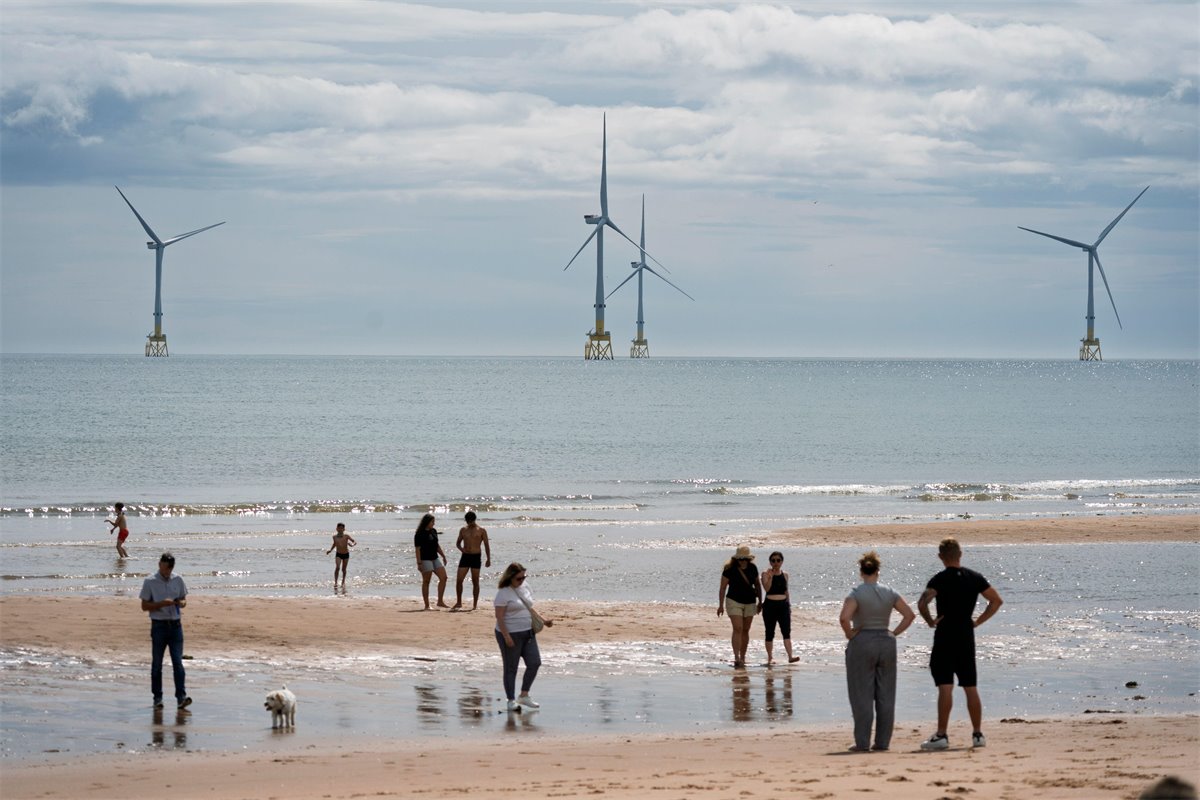
Scotland's Supply-Chain Opportunity Tied to 18 Wind Farms
The Scottish Government created the investment program to capture supply-chain opportunities linked to construction and maintenance of 18 ScotWind offshore wind development projects. The program brings together the Scottish National Investment Bank, Highlands and Islands Enterprise, and Scottish Enterprise. Holyrood noted that the program was designed as a five-year initiative to build local capacity and jobs.
Auditor Calls for Clearer Roadmap Beyond 2028-29
Audit Scotland warned that reliance on grants could limit returns to the public and urged stronger oversight of the program. The watchdog called for a clear delivery plan beyond 2028-29, when current commitments expire. Herald Scotland reported that governance and risk-management weaknesses, combined with reduced investor confidence, have slowed project progress. Gethins said the Scottish Government welcomed the recommendations and was implementing steps to address them.
Global Offshore Wind Costs Rise Despite Decade of Decline
Although offshore wind has become far cheaper over 14 years, 2024 bucked the trend. IRENA data shows offshore-wind levelized electricity costs rose 4% last year, driven by higher construction, financing, and supply-chain expenses. The cost gap between regions remains stark: China's offshore wind costs $56/MWh while the United States pays more than $123/MWh. These pressures threaten project economics worldwide and underscore why Scotland's program must secure stable, long-term private investment.
Sentiment
Mostly NegativeNEGATIVENEUTRALPOSITIVE
Publishers
13
Articles
3
Reach
16
A
AnonymousAuthor


