UK Energy Policy Under Scrutiny
BP's North Sea Exit Sparks Debate Over UK Energy Policy and High Taxation Impact
Anonymous
Key Points
1
Richard Tice frames BP's North Sea exit as a symptom of policy failures by both the Conservative and Labour parties, arguing that only Reform UK can fix the economy; he has also previously urged Thames Water to be placed into special administration for £1.
2
Analyses argue that ill-conceived policy decisions, the rush to green energy, and unpredictable taxation are driving domestic fossil-fuel exits; they point to a 78% tax rate on oil and gas income and warn of risks to Aberdeen's industrial base.
3
BP's sale affects about 1,100 workers across five North Sea production hubs, which last year produced roughly 117,000 boe/d; officials stress protecting workers and local communities through the sale process.
4
The announcement fuels calls to end the windfall tax, with Scotland's First Minister urging abolition and Aberdeen business leaders advocating a long-term regime to restore investment confidence; Prime Minister Andy Burnham emphasizes a pragmatic balance between resource use and energy strategy.
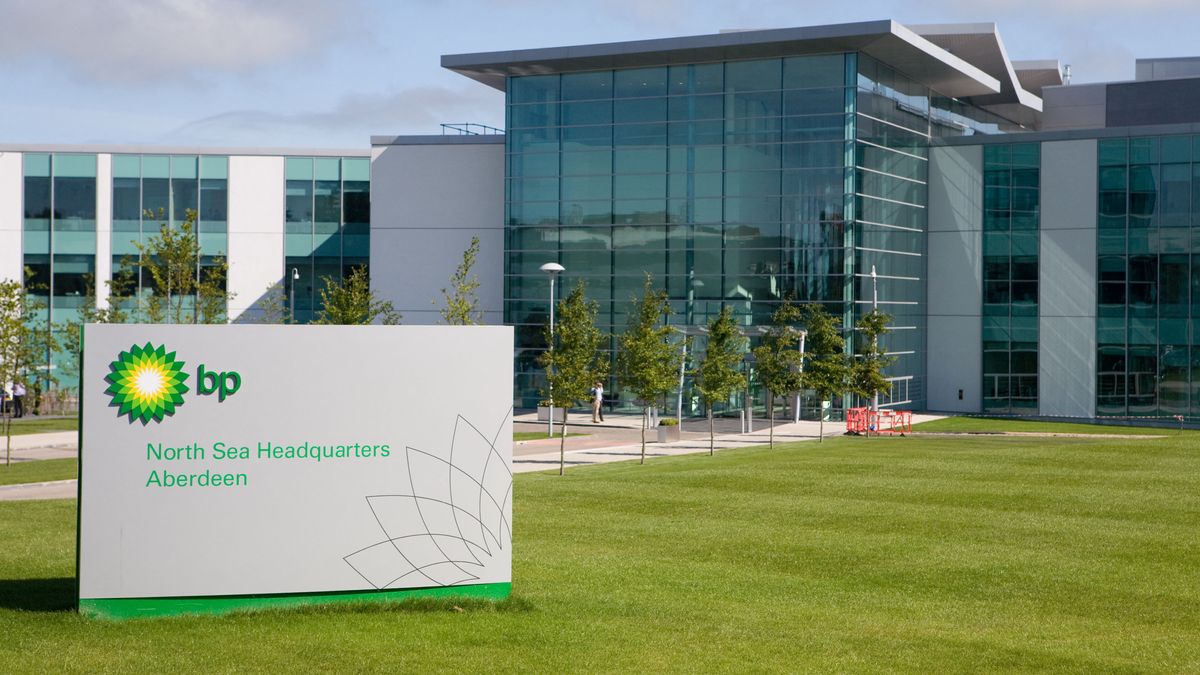
BP is set to sell its North Sea oil and gas operations after 60 years, ending one of the UK's most iconic energy relationships. The assets could fetch around $2 billion, according to Financial Post, and the move affects roughly 1,100 workers across five production hubs that pumped out about 117,000 barrels of oil equivalent per day last year.
The announcement has sent shockwaves through UK energy politics. Critics blame high taxes and rushed green policies for driving away domestic investment, while unions and Scottish politicians demand that workers and communities be protected through the sale process, according to Morning Star.
A 78% Tax Rate Blamed for Driving BP Out
North Sea oil and gas companies now face a 78% tax rate on income, according to Hello Rayo. Many analysts say that rate, combined with an unpredictable windfall tax introduced after the energy crisis, made long-term investment nearly impossible. BP itself said its North Sea assets would be "better positioned" under different ownership.
City Wire reported that Saturday newspaper front pages were dominated by anger over the high-tax regime. Business leaders in Aberdeen, the Scottish city most exposed to the North Sea economy, called for a long-term, stable tax plan to stop further companies from walking away.
Windfall Tax Faces Growing Calls for Abolition
Scotland's First Minister joined business groups in calling for the windfall tax to be scrapped entirely, according to Hello Rayo. The tax was brought in to capture profits during a period of soaring energy prices, but critics say it has lingered too long and now punishes investment rather than excess profit.
UK Prime Minister Andy Burnham, who recently took over from Keir Starmer, struck a more careful tone. Financial Post reported he stressed a "pragmatic balance" between using domestic resources and pursuing a clean energy strategy — a line that satisfied few on either side of the debate.
1,100 Workers Face Uncertainty as Hubs Change Hands
BP currently employs 1,100 people across five North Sea production hubs, according to Morning Star. Unions have warned against leaving workers behind during the sale. They want firm guarantees that any new owner will honour existing contracts, pay conditions, and safety standards before a deal is signed.
Aberdeen is seen as the most at-risk community. The city's economy is deeply tied to the offshore energy industry. Local officials have urged both BP and the government to ensure the transition does not hollow out the region's industrial base or spark mass redundancies.
Reform UK Seizes on BP Exit as a Political Weapon
Richard Tice of Reform UK used the announcement to attack both the Conservative and Labour parties. According to Traders Union, Tice argued that bad policy on Net Zero, high taxes, and excess regulation had pushed BP toward the exit — and that only Reform UK could fix the underlying economic problems.
Tice has previously made headlines by calling for Thames Water to be placed into special administration for just £1. His comments on BP follow the same playbook — using a corporate crisis to argue that mainstream parties have failed on basic economic management. The BP sale gives him fresh ammunition heading into any future election cycle.
Sentiment
Mostly NegativeNEGATIVENEUTRALPOSITIVE
Publishers
22
Articles
6
Reach
28
A
AnonymousAuthor


