EU Energy Crisis
Iran War Adds €100 Billion to EU Energy Bill Amid Rising Supply Risks
Anonymous
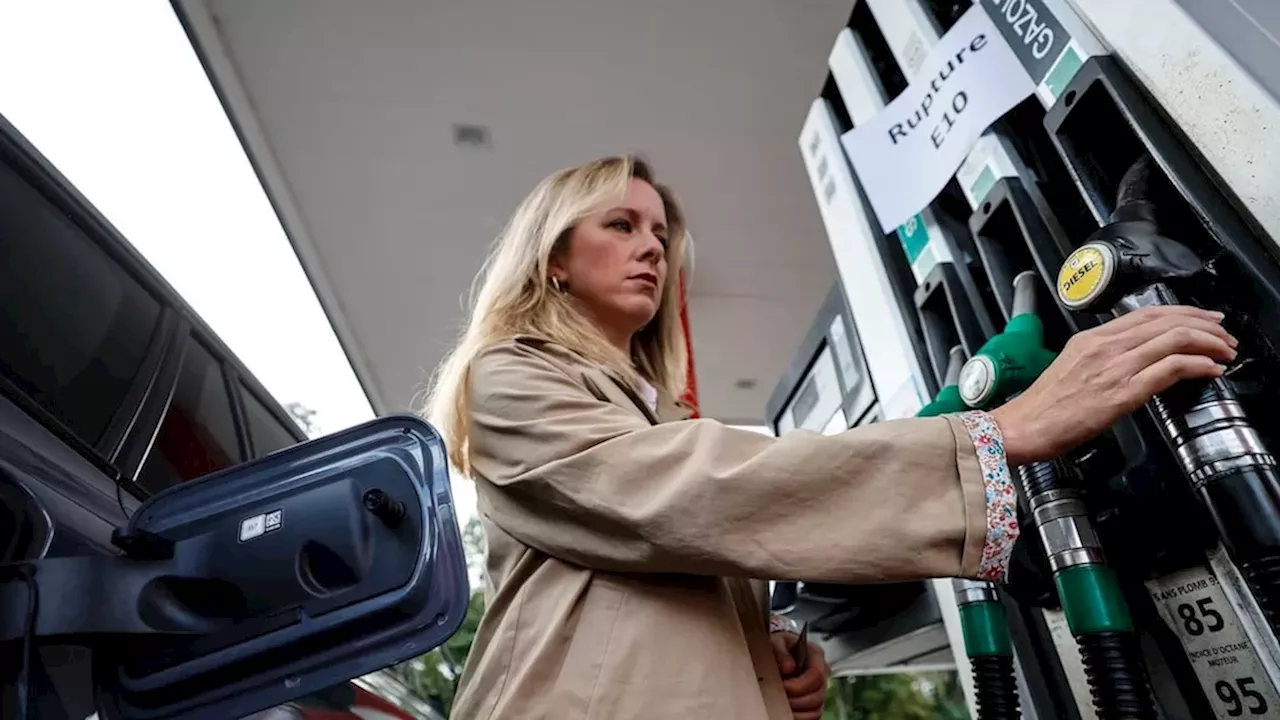
The EU has spent more than €100 billion in additional energy costs since the Iran war began and the Strait of Hormuz closed, despite receiving no extra oil or gas; fuel prices have surged, with some consumers paying nearly 50% more at the pump. EU officials warn that Europe is especially vulnerable to diesel disruptions ahead of winter, as about half its diesel supply comes from the United States, and a proposed U.S. export ban has added to concerns. The prospect of a ban has been played down by some officials, but EU ministers say they must prepare for continued high prices and possible supply risks. The bloc is weighing measures to manage demand and protect consumers while accelerating electrification, expanding power infrastructure and reducing reliance on imported fossil fuels.
Key Points
1
Energy Commissioner Dan Jørgensen urged EU countries to consider demand-reduction measures, keep gas storage at least 80% full and use targeted, temporary steps to address high prices.
2
The European Commission is examining whether it can postpone some requirements of its methane-emissions rules for imported energy, after member states reported difficulties implementing them.
3
The OECD warned that only half of governments’ fiscal interventions worldwide are properly targeted, adding pressure on public finances as countries respond to energy costs.
4
Jørgensen said the European Commission had presented an electrification action plan and was negotiating with the European Parliament and Council on measures concerning electricity grids.
Sentiment
Mostly NegativeNEGATIVENEUTRALPOSITIVE
Publishers
8
Articles
50
Reach
58
Topics
A
AnonymousAuthor


