Escalada de la deuda pública
La deuda pública escala a máximos de la Gran Recesión impulsada por el gasto y los tipos
Anonymous
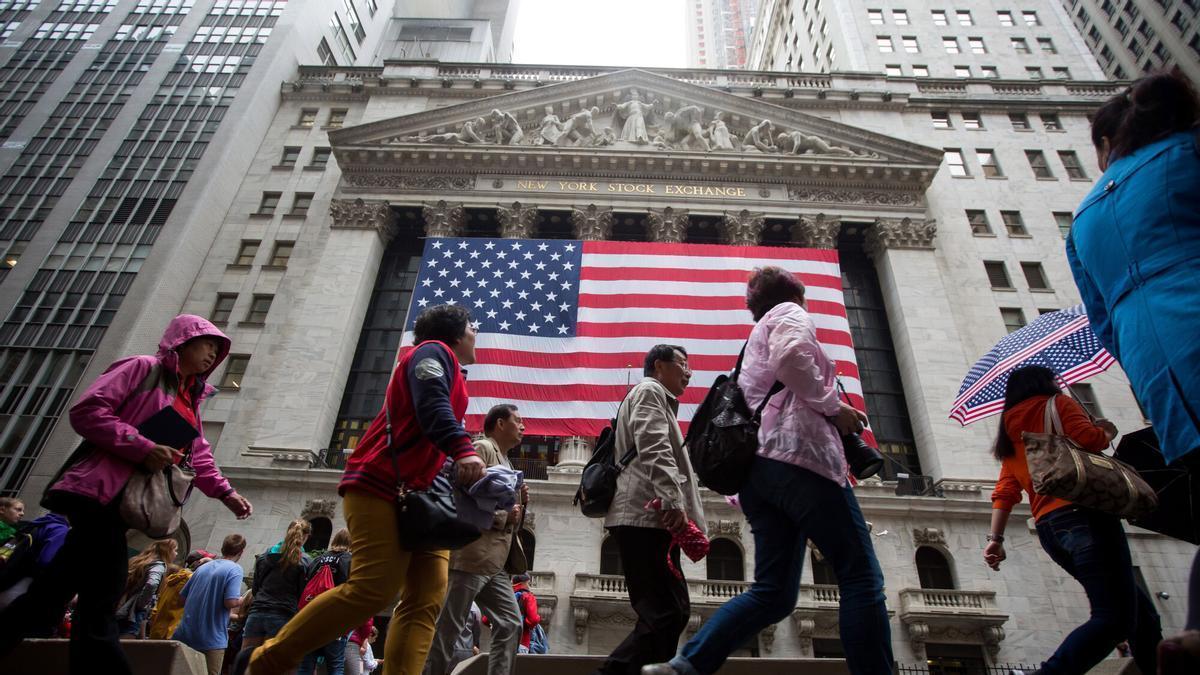
Public debt has become the new pressure point for global markets, climbing to levels not seen since the 2008 financial crisis. LNE reports that higher government spending, the threat of interest rate increases, and rising energy costs are pushing debt costs up across the United States and Europe. Investors are growing nervous about governments' ability to manage massive spending as borrowing becomes more expensive.
Governments Spend More While Rates Rise Higher
Across both continents, governments are increasing public spending at the same time that central banks are raising interest rates. This creates a dangerous squeeze: more spending requires more borrowing, but higher rates make that borrowing far more expensive. According to LNE, this combination is driving debt costs to levels unseen since the Great Recession.
Energy Prices Add Fuel to the Debt Fire
Rising energy costs are making the debt crisis worse. Governments must spend more on subsidies and relief programs when fuel gets expensive. LNE notes that energy price increases compound the problem by forcing more public spending at a moment when borrowing is already costly.
Debt Markets Show Signs of Stress
Bond yields are climbing as investors demand higher returns to hold government debt. LNE reports that these rising costs reflect growing concern about debt sustainability. Governments that spent heavily during the pandemic now face much higher interest payments on that borrowed money.
A Vicious Cycle Takes Shape
The situation creates a self-reinforcing problem: higher debt costs force governments to borrow even more just to pay interest, which increases debt further. LNE warns that this cycle mirrors conditions from 2008, when debt spiraled out of control. Without changes to spending or rate policy, markets could lose confidence in government bonds.
Sentiment
NeutralNEGATIVENEUTRALPOSITIVE
Publishers
17
Articles
0
Reach
17
Topics
A
AnonymousAuthor


