Vibrio spreads coastally.
Vibrio vulnificus bacteria spreads along Atlantic Coast, prompting early warning system development.
Anonymous
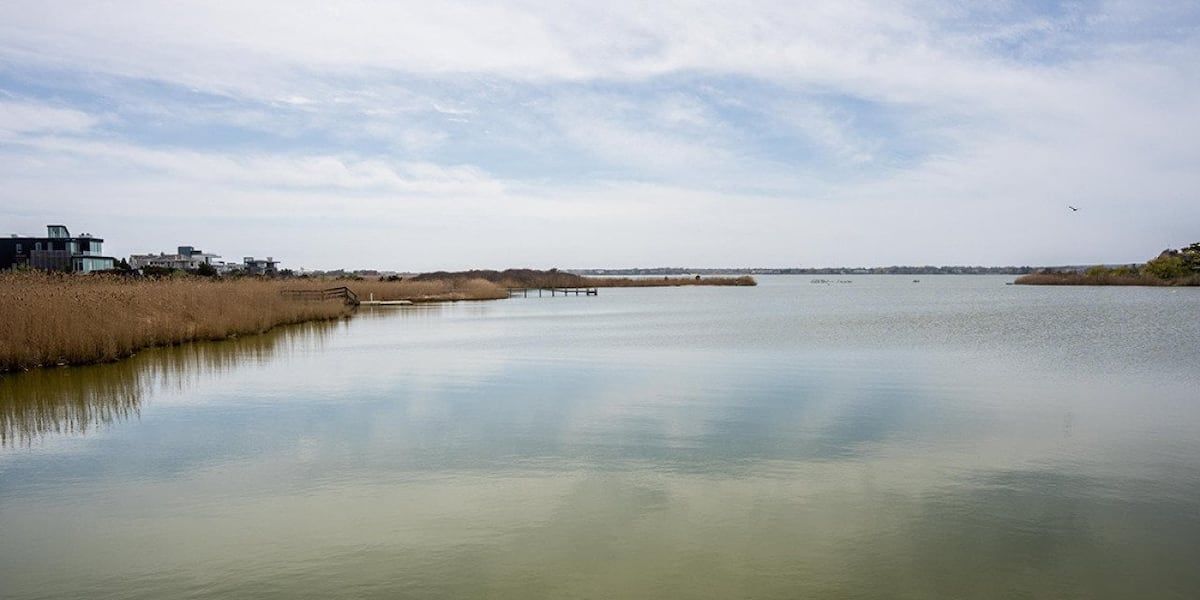
A flesh-eating bacteria called Vibrio vulnificus is moving north along the U.S. Atlantic Coast at about 30 miles per year, and climate change is speeding it up. CDC data shows the bacteria kills roughly 1 in 5 people it infects, and deaths can happen within 24 to 48 hours of exposure.
Florida already recorded five cases across five counties before the summer peak even began in 2026. Last year was the worst on record, with 82 cases and 19 deaths in Florida alone — driven in part by flooding from Hurricane Helene, according to the Florida Department of Health.
How a Gulf Coast Bacteria Reached New York and Connecticut
For most of its known history, V. vulnificus was a Gulf of Mexico problem. That changed fast. A 30-year study published in Scientific Reports found wound infections in the Eastern U.S. jumped eightfold between 1988 and 2018 — from about 10 cases per year to roughly 80. The bacteria's northern boundary crept up the coast at 30 miles per year as Atlantic water temperatures rose.
By September 2023, the CDC issued a national health alert after fatal infections appeared in Connecticut and New York — places where the bacteria was nearly unheard of before. Sea surface temperatures in the North Atlantic have risen about 1.5°C over the last 50 years, pushing the bacteria's habitat toward more densely populated coastlines. By 2041–2060, researchers expect its range to reach the New York City metro area.
Hurricanes Are Turbocharging the Deadliest Outbreaks
Storms are making a bad situation worse. When Hurricane Ian hit Southwest Florida in September 2022, floodwaters mixed with brackish coastal water and sent bacteria surging inland. The CDC recorded 38 infections and 11 deaths tied directly to that storm. Two years later, Hurricane Helene topped that, helping push Florida to its all-time record of 82 cases and 19 deaths in 2024.
The bacteria thrives in warm, low-salinity water — exactly the conditions that storm surge creates. It does not come from pollution. It is a naturally occurring part of the marine ecosystem that humans stumble into. Open wounds are the main entry point. People with liver disease are 80 times more likely to die from the infection than healthy adults.
Scientists Race to Build a 30-Day Warning System
Researchers at the University of Florida are trying to get ahead of the bacteria before it strikes. Dr. Antarpreet Jutla is building a predictive model that uses NASA and NOAA satellite data to flag high-risk areas a full month before dangerous conditions peak. "We are concerned that there might be shifts in the ecological conditions that may favor the growth of some of these Vibrios," Jutla said, according to Grist.
Meanwhile, marine biologist Elizabeth Archer of the University of Essex predicts that infections in the Northeast will double by 2040. North Carolina logged 135 total Vibrio cases in 2025, including 13 V. vulnificus infections and one death, according to the North Carolina Department of Health and Human Services. Real-time water testing for the bacteria is still not a standard public health requirement anywhere in the U.S.
Who Is Most at Risk — and How Worried Should You Be?
The CDC counts about 150 to 200 cases of V. vulnificus each year in the U.S., compared to 80,000 annual cases of all vibriosis combined. That makes it rare — but brutal. The 1-in-5 death rate makes it the deadliest waterborne pathogen in the country. The highest-risk groups are people with liver disease, diabetes, or weakened immune systems. For healthy people, the main rule is simple: keep open wounds out of warm coastal water.
The seafood industry worries the "flesh-eating" label scares people away from oysters unfairly. Leslie Sturmer, a shellfish consultant at the University of Florida, argues that the framing causes unnecessary economic damage. But public health officials say the warning label exists for good reason — and as the bacteria reaches cities like Boston and New York, more people will need to know its name, according to Grist.
Sentiment
NeutralNEGATIVENEUTRALPOSITIVE
Publishers
44
Articles
44
Reach
44
A
AnonymousAuthor


