Calentamiento y salinización del Mediterráneo
Un estudio revela que el calentamiento y la salinización del Mediterráneo se aceleran
Anonymous
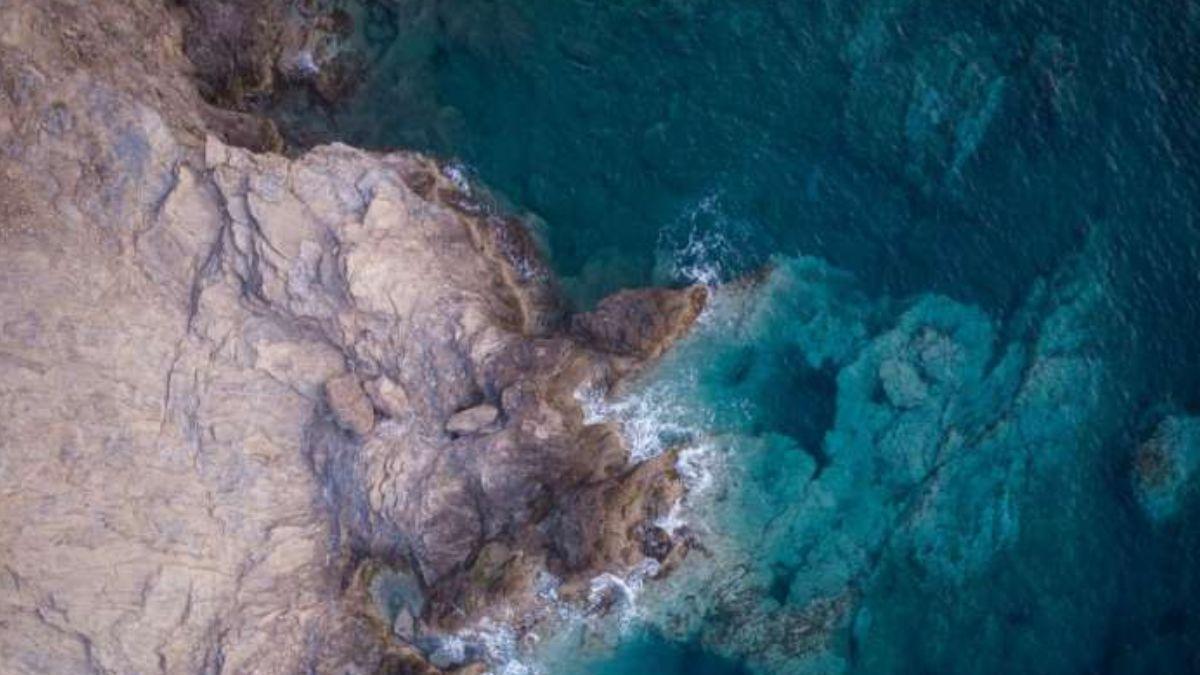
The Mediterranean Sea is heating up and becoming saltier at an accelerating pace, even at depths of thousands of meters below the surface. El Día reports that a new study based on 75 years of ocean observations reveals this troubling trend is speeding up, not slowing down.
Scientists tracked water temperature and salinity changes across the entire Mediterranean basin over seven decades. The data shows both warming and salinization are intensifying faster now than in earlier decades, signaling rapid shifts in one of the world's most important sea ecosystems.
Seven Decades of Accelerating Ocean Change
The 75-year study measured water properties at multiple depths across the Mediterranean. El Correo Gallego reports that warming and salt buildup now occur faster than they did 20 or 30 years ago. This acceleration happens from the surface down to the deep ocean floor.
Deep-water layers are changing just as much as surface waters, which surprised many researchers. The salt content rises as evaporation increases and fresh water becomes scarcer. This changes the sea's chemistry and ability to support marine life.
Why Saltier Water Threatens Mediterranean Life
Higher salt levels alter the water's density and circulation patterns. La Opinión de Murcia explains that these changes affect fish breeding, plant growth, and oxygen levels. Marine species adapted to lower salinity are already moving or disappearing.
Warmer, saltier water holds less oxygen, creating dead zones where few animals can survive. The Mediterranean's unique biodiversity—home to species found nowhere else—faces mounting pressure from these rapid chemical shifts.
Climate Change Driving the Mediterranean's Transformation
Rising air temperatures heat the sea surface, while increased evaporation pulls more water away. La Nueva España notes that reduced rainfall and river flow add less fresh water to balance the salt. The Mediterranean sits in a hot, dry region hit hard by climate change.
The study's findings confirm what climate scientists predicted years ago. Coastal communities that depend on fishing, tourism, and food production now face real economic threats from these ocean changes happening faster than anyone expected.
Sentiment
NeutralNEGATIVENEUTRALPOSITIVE
Publishers
16
Articles
0
Reach
16
A
AnonymousAuthor


