Crisis hídrica mundial
El planeta acumula una década perdiendo sus reservas globales de agua dulce
Anonymous
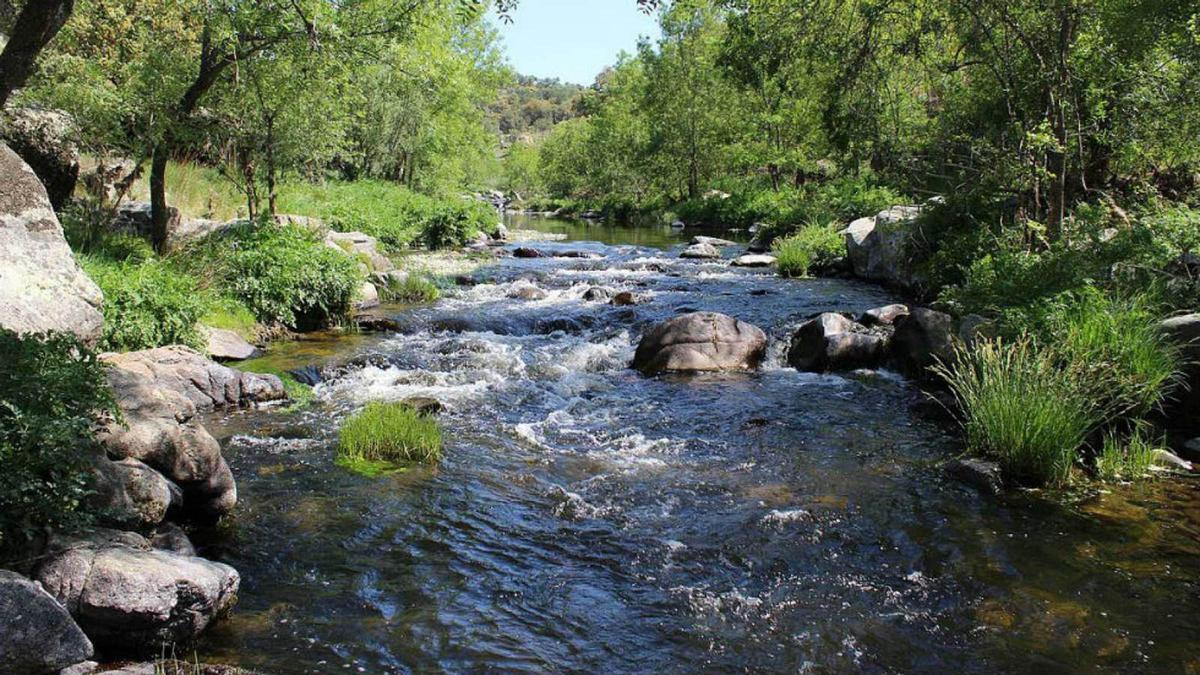
Earth's freshwater reserves have been draining for a full decade, according to World Meteorological Organization research. The planet is losing what scientists call its "water savings account" at an alarming rate, putting millions of people at risk of water shortages. This trend threatens farms, cities, and drinking water supplies worldwide.
A Decade of Declining Freshwater Supplies
The World Meteorological Organization has released a stark warning about Earth's freshwater crisis. Over the past ten years, the planet has steadily depleted underground aquifers and surface water reserves. These water sources act like a bank account—once empty, they take decades to refill. Scientists call this shrinking reserve a "water savings account" that is being withdrawn from faster than it can be replenished.
This depletion is not random or temporary. It reflects a fundamental imbalance between how much water humanity uses and how much nature can restore. Groundwater, stored deep beneath the surface, is disappearing especially fast. Rivers and lakes in many regions are also shrinking, leaving visible marks on the landscape.
Millions Face Water Scarcity and Supply Threats
The consequences are immediate and severe. Millions of people depend on these freshwater reserves for drinking, cooking, and hygiene. When these supplies run dry, entire communities face crisis. Agricultural regions—which feed billions—are especially vulnerable. Farmers rely on groundwater to irrigate crops during dry seasons. Without it, food production drops and prices spike.
Cities are also at risk. Many major population centers draw water from sources now running dangerously low. As reserves shrink, conflicts over water access may intensify. Developing nations often suffer first because they have fewer resources to find alternative water supplies or invest in water-saving technology.
Climate Change Accelerates the Water Crisis
Rising temperatures and shifting rainfall patterns are making the freshwater shortage worse. Climate change alters when and where rain falls, leaving some regions flooded while others dry up. Snowmelt—a crucial source of water in spring—is arriving earlier and lasting less long. This mismatch between water availability and human need deepens the crisis.
Droughts are becoming more common and more intense in many parts of the world. These extended dry periods drain whatever water remains in aquifers and reservoirs. Meanwhile, extreme rainfall events cause floods but do not necessarily refill underground reserves. The net result is a planet losing freshwater faster than ever.
Urgent Action Needed to Protect Global Water
The World Meteorological Organization is calling for immediate action to reverse this trend. Governments and individuals must reduce water waste, invest in water recycling, and protect remaining freshwater sources. Fixing leaky pipes, improving irrigation efficiency, and restoring wetlands are practical steps. Without intervention, the water crisis will only worsen.
Cooperation across borders is essential because rivers and aquifers do not respect political boundaries. Nations must share data and coordinate water management strategies. Protecting freshwater is no longer a distant concern—it is now a matter of survival for billions of people.
Sentiment
NeutralNEGATIVENEUTRALPOSITIVE
Publishers
15
Articles
0
Reach
15
A
AnonymousAuthor


