New Food Warning Labels
India Proposes Strict Red Warning Labels For Packaged Foods High In Sugar, Salt Or Fat
Anonymous
Key Points
1
The proposed warning would be placed prominently in the top-left corner of the front of the package, with the nutrient name or names inside the red hexagon. The warning text would use a font at least one point larger than the font in the back-panel nutrition table, and its size is modeled on Canada’s labeling system.
2
The thresholds for added sugar, added fat and salt are proposed to follow the 2024 Dietary Guidelines for Indians issued by the Indian Council of Medical Research and the National Institute of Nutrition. The criteria would apply based on nutrient levels, regardless of how heavily processed or packaged a food is.
3
The nationwide labeling debate intensified after reporting that the government had opted for a weaker regime following lobbying by Coca-Cola and groups representing Nestlé and PepsiCo, which argued that warning labels were ineffective. Several companies have nevertheless adopted comparable measures voluntarily in European markets.
4
The labeling proposal is part of a broader food-safety crackdown that includes nationwide raids on eateries amid concerns about hygiene and compliance with safety standards.
India is tightening its proposed food-warning rules so any packaged food exceeding limits for salt, sugar, or fat gets a red warning label—even if only one nutrient is too high. Indian Television reported that the Food Safety and Standards Authority of India (FSSAI) abandoned its earlier two-nutrient threshold after health advocates and India's Supreme Court criticized it as too weak. The red hexagon labels would appear prominently on the front package, with regulations finalized in about four months and a one-year rollout window for manufacturers.
The stricter rules also require artificial sweeteners to display a front-panel warning. News18 noted that the new thresholds follow India's 2024 Dietary Guidelines, issued by the Indian Council of Medical Research and the National Institute of Nutrition. The change affects India's rapidly growing food market, including major multinational brands like Coca-Cola, Nestlé, and PepsiCo.
Red Hexagon Labels Replace Weaker Two-Nutrient Rules
Under the new system, a single nutrient exceeding limits triggers a red warning. CNBC TV18 explained that the red hexagon would sit in the top-left corner with the nutrient name inside it. The warning font must be at least one point larger than the nutrition table on the back. This design mirrors Canada's labeling system, which health experts say works better at changing consumer behavior.
The earlier proposal required two nutrients to exceed limits before triggering a warning—a threshold that critics called ineffective. Indian Television reported that the FSSAI scrapped this approach after mounting pressure from health advocates and court scrutiny. The single-phase rollout means all manufacturers will implement the new labels simultaneously within one year.
Artificial Sweeteners Must Carry Their Own Front-Panel Warning
Products containing artificial sweeteners will need a separate front-panel warning identifying them as containing non-caloric sweeteners. This requirement goes beyond the red hexagon nutrient warnings and applies to all beverages and foods using sugar substitutes. The rule aims to inform consumers about artificial ingredients, addressing growing public concern over sweetener safety and use.
Food Industry Lobbying Led to Earlier, Weaker Proposal
Major beverage and food companies had pushed back against strict warning labels. According to reporting on the government's initial approach, Coca-Cola and groups representing Nestlé and PepsiCo argued that warning labels don't change eating habits. Despite this lobbying, several multinational brands have adopted similar warning systems voluntarily in European markets. The stricter Indian rules now reverse course from that weaker initial proposal.
School-Zone Food Restrictions Expand India's Food-Safety Crackdown
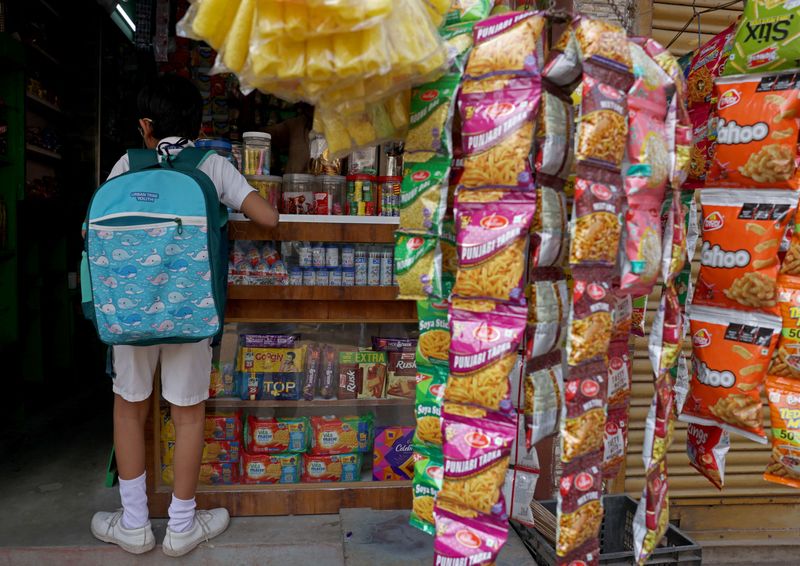
The warning labels are part of a broader government effort to improve public health. BBC and CNBC TV18 reported that India is also planning to ban junk food sales within 50 meters of schools to reduce childhood obesity. Nationwide raids on eateries for hygiene violations are happening simultaneously. Together, these measures signal India's determination to tighten food-safety standards and limit unhealthy options, especially for children.
Sentiment
Mostly NegativeNEGATIVENEUTRALPOSITIVE
Publishers
13
Articles
160
Reach
173
A
AnonymousAuthor


