Ancient Royal Retainer Sacrifice
Forensic reexamination of ancient skulls reveals evidence of early Egyptian retainer sacrifice.
Anonymous
Key Points
1
The reexamined skulls came from graves associated with three rulers—King Djer, King Djet and Queen Merneith—and were held in the Duckworth Collection at the University of Cambridge.
2
The graves around the royal tombs were associated with a range of household members, including ladies, seal-bearers, inspectors and artisans; Campbell noted that while King Aha had only a few subsidiary burials, later rulers had hundreds.
3
Campbell cautioned against imposing modern assumptions on the evidence, saying that Egypt’s history of European and colonial archaeology makes it important to contextualize the legacy material and how violence was understood in its own culture.
4
One report places the practice in roughly 3100–2900 BCE and suggests it may have served both religious beliefs about attendants in the afterlife and the enforcement or display of royal power.
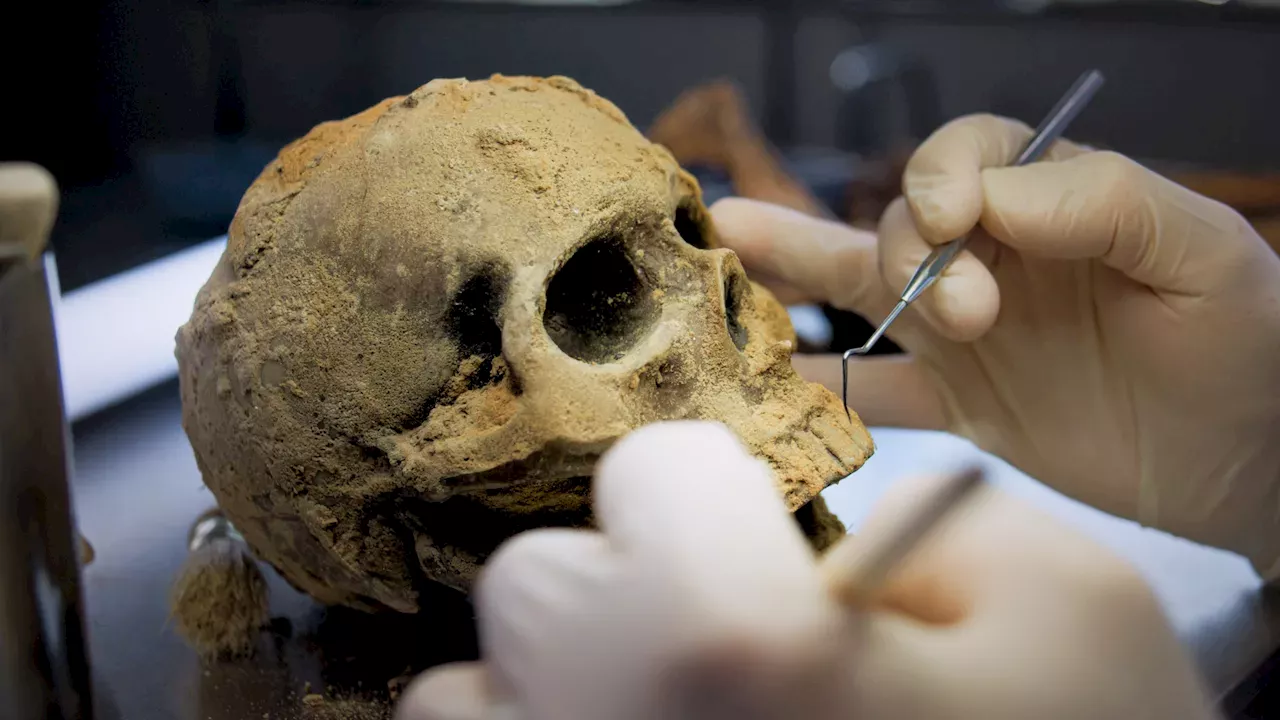
Forensic scientists have found new evidence that ancient Egyptian kings may have killed their own servants and buried them in royal tombs. A reexamination of 46 skulls from First Dynasty burial sites at Abydos revealed that 18 showed severe trauma, including fractures and one chopping wound, likely inflicted around the time of death Discover Magazine. The discovery supports a 100-year-old theory that low-ranking officials, craftspeople, and household members were sacrificed when their rulers died, though researchers caution the evidence remains incomplete.
The skulls came from graves surrounding the tombs of three early Egyptian rulers—King Djer, King Djet, and Queen Merneith—and were stored at Cambridge University's Duckworth Collection AOL. Earlier excavators suspected sacrifice based on the sheer number of burials near royal tombs, but older examination methods missed the lethal injuries that modern forensic analysis can now detect.
The Trauma Marks Found in Ancient Skulls
Researcher Roselyn Campbell and her team discovered that 39% of the 46 skulls bore signs of intentional violence Discover Magazine. The injuries included bone fractures around the eye socket, blunt-force impacts to the skull, and at least one chopping wound. The timing of these injuries—inflicted before or at death—points to deliberate violence rather than accidental harm or postmortem damage.
Campbell noted that previous excavators may have missed these injuries because older examination methods were less precise au.headtopics.com. Modern forensic techniques can detect subtle fractures and trauma patterns that earlier archaeologists overlooked, finally providing physical evidence for a theory that had rested on circumstantial grounds for over a century.
A Burial Practice That Grew More Elaborate Over Time
The graves surrounding royal tombs contained a diverse group of people: ladies, seal-bearers, inspectors, artisans, and other household workers Discover Magazine. King Aha, an early ruler, had only a handful of subsidiary burials, but later kings accumulated hundreds. This pattern suggests the retainer burial practice expanded and became more standardized as the First Dynasty progressed.
The practice appears to have occurred roughly between 3100 and 2900 BCE us.headtopics.com. Researchers believe it may have served dual purposes: fulfilling religious beliefs that attendants would serve the king in the afterlife, and demonstrating the ruler's power and control over life and death. The burials were a visible assertion of royal authority.
Caution About Imposing Modern Interpretations
Campbell warned against viewing the evidence through a strictly modern lens. Egypt's long history of European and colonial-era archaeology means researchers must carefully consider how earlier excavators documented and interpreted their findings. What looks like sacrifice to modern observers may have held different meanings in ancient Egyptian culture.
The study confirms that people died from head trauma while buried with their rulers, but it cannot prove every injured person was killed as a sacrifice HeadTopics US. Some may have died from other causes and been buried with the king for different reasons. The full extent and purpose of the practice remain open questions for future research.
Sentiment
Mostly NegativeNEGATIVENEUTRALPOSITIVE
Publishers
19
Articles
33
Reach
52
Topics
A
AnonymousAuthor


