Fuel Costs Strain Food Supply
Rising fuel costs strain food supply networks, threatening higher grocery prices nationwide.
Anonymous
Key Points
1
Estimates cited in the article suggest that harvest fuel costs could rise by an additional $12,500 for every 1,000 acres of crops harvested, as the Midwest prepares to harvest about 20 billion bushels of corn and soybeans.
2
A week-long outage caused by flooding and a power failure at ExxonMobil’s Joliet, Illinois, refinery took more than 80 million gallons of diesel and gasoline offline; a labor dispute was also ongoing at BP’s Whiting, Indiana, refinery.
3
Food-truck owner Marcus Allen said higher fuel costs add about $80–$85 to his diesel expenses and another $14–$16 to gasoline costs. He has cut back on travel and is relying more on catering jobs to sustain the business.
4
The Kansas City Food Hub says fuel is also needed to run farm equipment, generators and freezer units—not just to deliver produce—adding to the pressure from higher transportation costs.
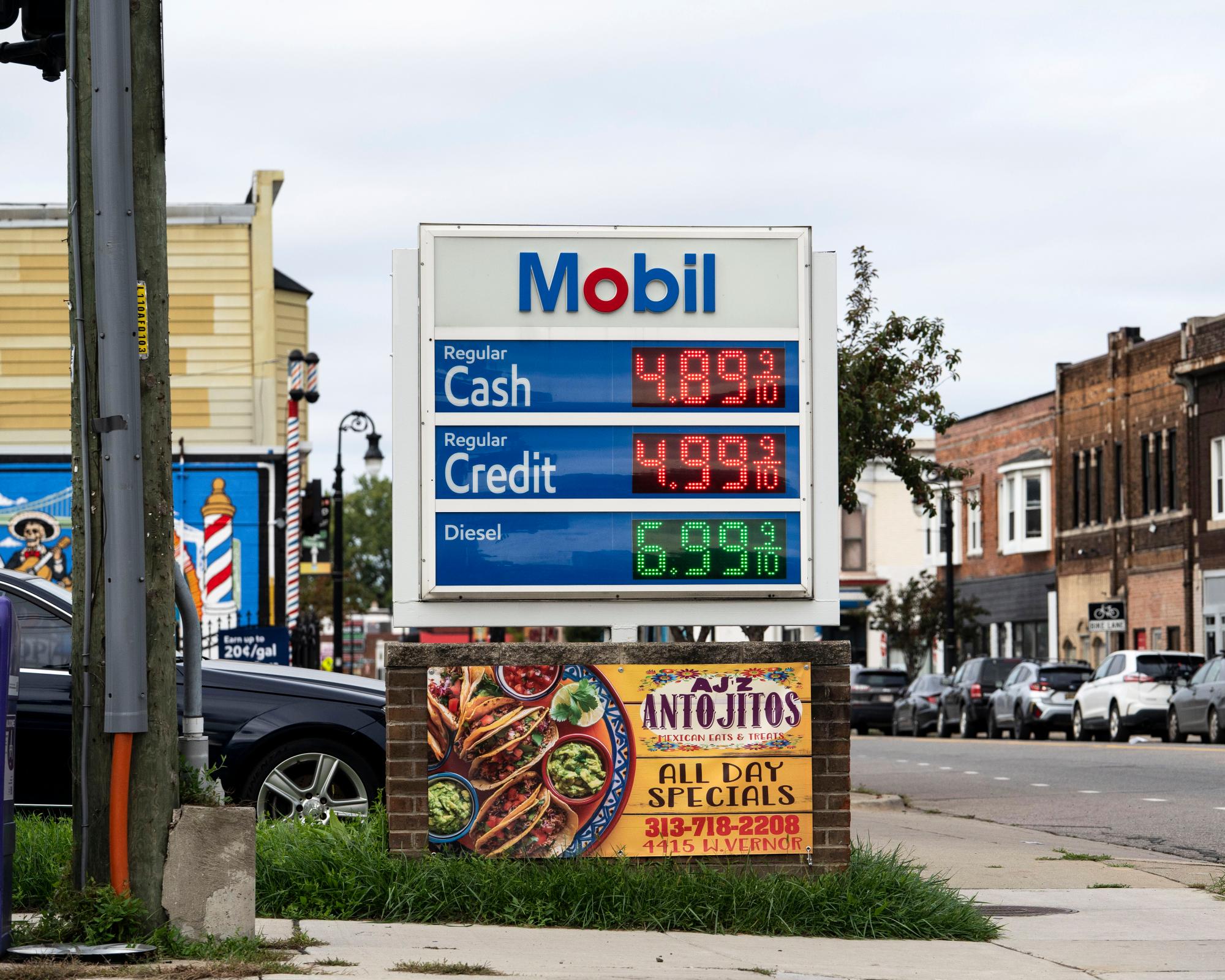
Diesel and gasoline prices are squeezing food supply networks across America, from Midwest farms to food banks to delivery trucks. AOL reports that soaring fuel costs have hit crop growers, trucking companies, and other industries relying on diesel. A Kansas City food bank says filling a semi-truck now costs $1,300—up from $746 a year ago. Food-truck operators and farmers warn that higher fuel bills threaten to raise grocery prices and reduce food distribution.
Regional refinery outages and geopolitical tensions are making the problem worse. Hagadone News Network notes that Montana's average diesel price hit $6.23 per gallon, up $2.50 since the U.S.-Iran conflict began. An ExxonMobil refinery in Illinois went offline for a week, taking more than 80 million gallons of diesel and gasoline offline. The pinch is forcing businesses to cut routes, raise prices, and work longer hours.
Harvest Costs Could Spike $12,500 Per 1,000 Acres
Midwest farmers face a sharp bill as they prepare to harvest about 20 billion bushels of corn and soybeans. Estimates suggest harvest fuel costs could rise an additional $12,500 for every 1,000 acres harvested. The Guardian reports that rising diesel prices have negatively impacted crop growers and trucking companies across the corn belt. Farmers say they cannot absorb these costs without cutting profits or raising prices on crops.
Food-Truck Owners Cut Routes and Raise Menu Prices
Food-truck operators are feeling the pinch directly. Marcus Allen, a food-truck owner, said higher fuel costs add about $80–$85 to his diesel expenses and another $14–$16 to gasoline costs each day. To survive, he has cut back on travel and is relying more on catering jobs. Many other delivery drivers and food-truck owners are raising menu prices, working longer hours, and shrinking their service areas to stay afloat.
Food Banks Face 45% Rise in Fuel Expenses
Food distribution networks are under severe strain. A regional food hub reports fuel costs have risen at least 45% year-over-year. The Kansas City Food Hub says fuel powers not just delivery trucks but also farm equipment, generators, and freezer units—multiplying the financial burden. As transportation expenses climb, food banks warn they may struggle to distribute enough food to communities that need it most.
Refinery Outages Tighten Diesel Supply
A week-long outage at ExxonMobil's Joliet, Illinois refinery—caused by flooding and a power failure—knocked more than 80 million gallons of diesel and gasoline offline. A labor dispute at BP's Whiting, Indiana refinery added more pressure to regional supplies. Hagadone News Network notes that the U.S.-Iran conflict has also pushed diesel prices to near-record levels. Combined, these disruptions have limited diesel availability and kept prices high.
Sentiment
Mostly NegativeNEGATIVENEUTRALPOSITIVE
Publishers
17
Articles
14
Reach
31
A
AnonymousAuthor


