Diplomatic Talks on Middle East
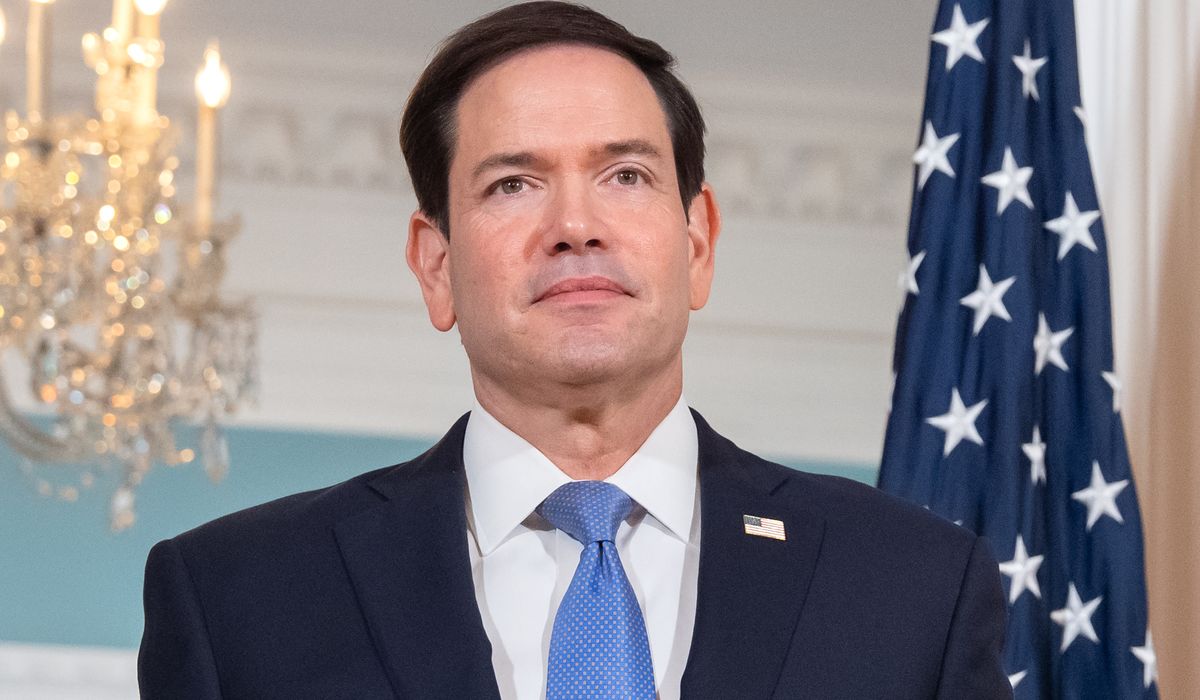
Secretary of State Marco Rubio Holds High-Level Talks With China and South Korea
Anonymous
Key Points
1
The United States agreed to continue consultations with Seoul on the Strait of Hormuz issue but did not publicly request a specific South Korean military contribution.
2
During his Washington visit, Cho Hyun met with members of both the U.S. Senate and House of Representatives to seek congressional support for implementing agreements between Seoul and Washington; he then traveled to New York for the U.N. General Assembly.
3
China has acted as a relatively private mediator in the U.S.-Iran conflict, maintaining frequent contact with Iranian officials while avoiding day-to-day commentary on the war.
4
Russia and China rejected a U.S.-drafted U.N. Security Council resolution seeking to extend the mandate of a panel examining Iran’s possible sanctions violations.
5
U.S. officials reportedly said Xi Jinping was scheduled to meet Donald Trump in Washington on Sept. 24, although Beijing had not yet officially confirmed the visit.
Secretary of State Marco Rubio held separate talks with South Korea and China this week, addressing Middle East tensions and preparing for high-level diplomatic meetings. UPI reported that South Korean Foreign Minister Cho Hyun told Rubio that Seoul would help restore freedom of navigation in the Strait of Hormuz without direct military involvement. Meanwhile, Washington Times reported Rubio discussed the stalled Middle East conflict with Chinese Foreign Minister Wang Yi, as both nations prepared for an expected Trump-Xi meeting in Washington.
South Korea Pledges Support Without Combat Role
Cho Hyun emphasized Seoul's willingness to help restore shipping security in the Strait of Hormuz, a critical waterway for global trade. UPI reported that South Korea wants to contribute practically while avoiding direct military participation in the broader Middle East conflict. The focus remains on protecting South Korean commercial vessels and maintaining regional stability without escalating tensions.
During his Washington visit, Cho met with U.S. Senate and House members to build support for implementing agreements between the two nations. UPI reported the talks covered South Korean investment in the United States, cooperation on nuclear-powered submarines, and civil nuclear energy partnerships. The discussions reflected Seoul's broader effort to strengthen ties with Washington while balancing regional security concerns.
China Pushes Ceasefire as Rubio Signals Engagement
Wang Yi told Rubio that China prioritizes equality, mutual respect, and reciprocity in U.S.-China relations. Washington Times reported Wang emphasized managing differences and respecting core interests. The conversation came as the two nations prepared for an anticipated summit between Trump and Xi Jinping, with Yahoo reporting the meeting was scheduled for September 24 in Washington, though Beijing had not yet officially confirmed the visit.
China continues urging a ceasefire and negotiations in the Middle East conflict while maintaining a relatively private diplomatic role. Millennium Post reported that Wang and Rubio discussed preparations for the next stage of high-level U.S.-China engagement. Fighting in Yemen has intensified as the Strait of Hormuz remains closed, complicating peace efforts across the region.
Russia and China Block U.N. Sanctions Investigation
Russia and China rejected a U.S.-drafted U.N. Security Council resolution that would have extended a panel examining Iran's possible sanctions violations. The move signals Beijing and Moscow's continued resistance to U.S.-led measures targeting Tehran during the Middle East conflict. The Print reported these tensions unfolded as Rubio and Wang Yi held telephone talks ahead of the anticipated Trump-Xi summit meeting.
Trade Negotiations Continue Behind the Scenes
U.S. and Chinese trade teams are discussing a potential tariff-reduction framework as diplomatic channels remain open. Millennium Post reported these discussions occur against the backdrop of the upcoming Trump-Xi meeting, which could reshape U.S.-China economic policy. Both nations appear focused on finding common ground on trade even as they disagree on Middle East strategy and Iran policy.
Sentiment
Mostly PositiveNEGATIVENEUTRALPOSITIVE
Publishers
17
Articles
10
Reach
27
Topics
A
AnonymousAuthor


