South Korea Hormuz Strategy
South Korea navigates diplomatic relations and maritime security in the Strait of Hormuz.
Anonymous
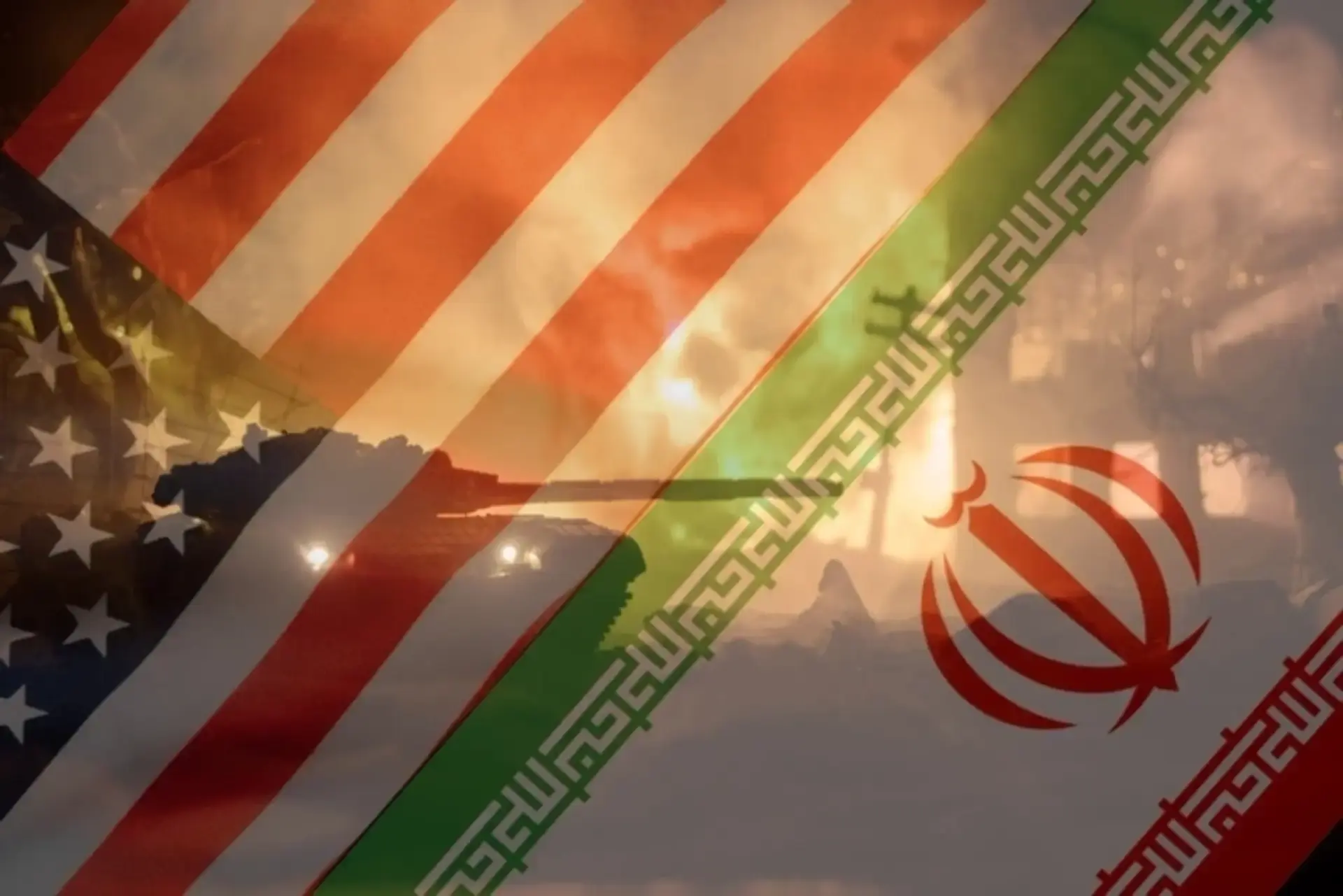
South Korea is preparing to deploy military assets to the Strait of Hormuz to support freedom of navigation, but faces a sharp warning from Iran. Bloomberg reported that a senior Iranian official told Lebanon's pro-Hezbollah outlet Al Mayadeen that any South Korean troop deployment would be treated as participation in war. Seoul aims to complete the deployment before year's end and is seeking parliamentary approval for the mission.
The move puts South Korea in a delicate position. The U.S. is pressing Seoul to join international efforts in one of the world's most critical shipping lanes, where roughly one-third of all seaborne oil passes through. But Iran's explicit threat complicates the decision as Seoul weighs both combat and noncombat military roles.
Iran's Warning: Hormuz Deployment Equals War
Iran has made its position crystal clear. A senior Iranian official stated that South Korean military involvement in Hormuz would be treated as participation in an ongoing conflict. Seoul Daily reported the warning came through Al Mayadeen, a media outlet close to Hezbollah. Iran views any foreign military presence as interference in its regional sphere.
This threat carries weight given rising tensions in the Middle East. Iran has repeatedly demonstrated willingness to target ships and military vessels in the region. For Seoul, the warning raises the diplomatic and security stakes considerably as it decides whether to heed U.S. pressure.
South Korea Weighs Combat Versus Support Roles
Seoul is not committing to a single mission profile. UPI reported that South Korea is considering a range of options, including both combat and noncombat military roles. This suggests Seoul wants flexibility — perhaps a naval presence for monitoring rather than direct military engagement. The government seeks parliamentary approval before moving forward.
The noncombat approach could include escorting ships, gathering intelligence, or providing logistical support. Yet Iran's blanket warning suggests Tehran may view any military presence as hostile, regardless of the stated mission. This leaves Seoul searching for a middle ground that satisfies both Washington and Tehran.
U.S. Pressure and Strategic Importance
The United States is actively pressing South Korea to contribute to Hormuz security. Archynet News reported that Seoul faces increasing pressure from Washington, though some outlets have cautioned that no final decision has been made. The Strait of Hormuz remains vital to global energy security, with roughly 30% of worldwide seaborne oil passing through annually.
For the U.S., South Korean participation would strengthen the international coalition managing regional security. For Seoul, the calculation is trickier — it must balance alliance obligations with avoiding direct confrontation with Iran. India Shipping News noted South Korea aims to complete deployment before year-end, suggesting a timeline is already in motion.
Sentiment
Mostly NegativeNEGATIVENEUTRALPOSITIVE
Publishers
19
Articles
41
Reach
60
A
AnonymousAuthor


