Record-Breaking Heat-Tolerant Amoeba
Scientists discover California amoeba that breaks heat-tolerance records for complex life.
Anonymous
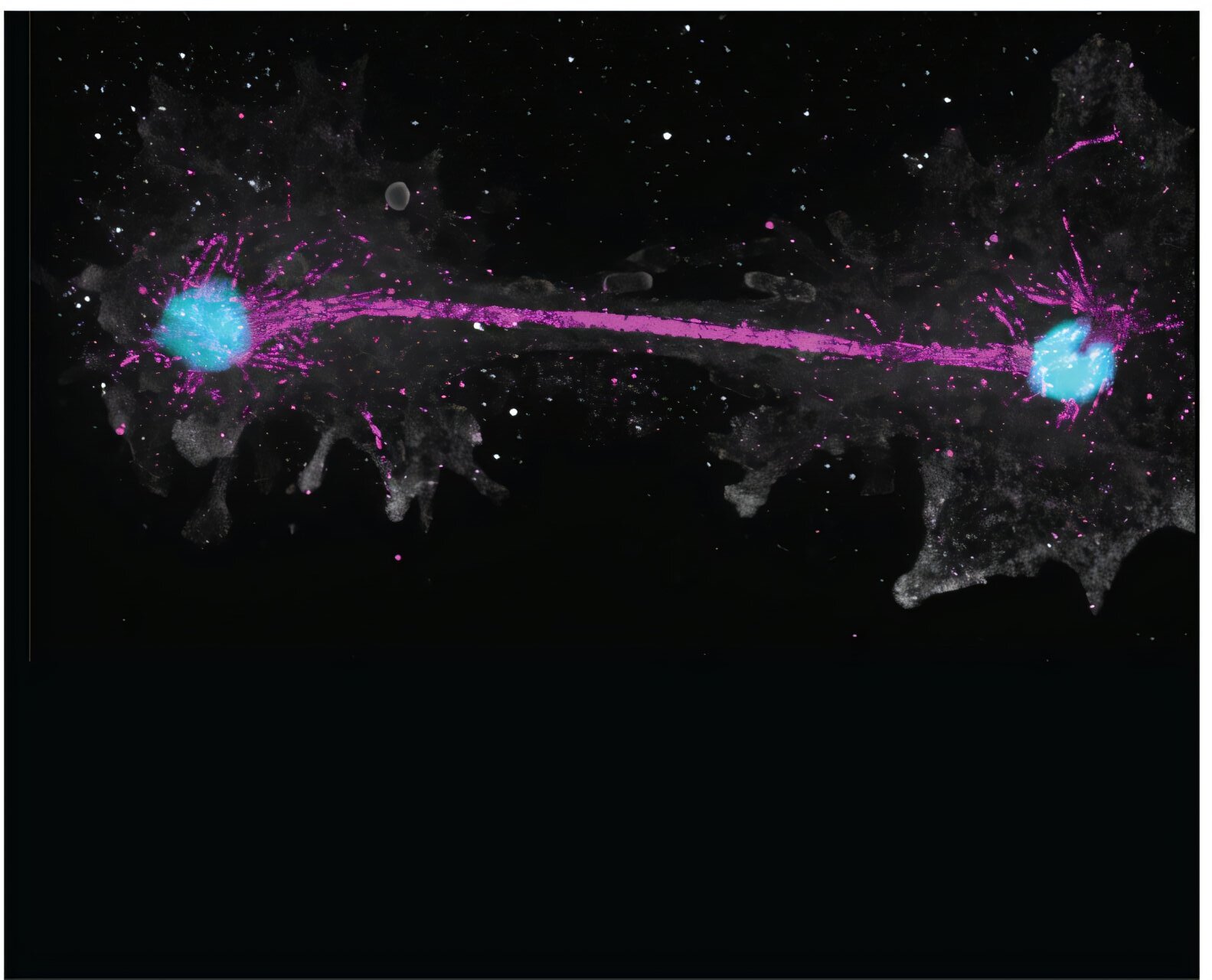
Scientists have identified a new amoeba, Incendiamoeba cascadensis, in geothermal streams at California’s Lassen Volcanic National Park that sets a heat-tolerance record for complex life. The single-celled organism can eat, move and reproduce at temperatures up to 63°C (145°F), surpassing the previous eukaryote limit of about 60°C. It can remain active at roughly 64°C and survive brief exposure to 70°C by changing shape, forming a protective outer layer or entering a dormant state before recovering as it cools. Researchers found genetic and protein-level adaptations linked to DNA repair and protection against heat-related damage, some resembling mechanisms used by simpler heat-loving microbes. The discovery suggests that other eukaryotes may withstand more extreme conditions than previously recognized, although archaea such as Methanopyrus kandleri still hold the overall life-form record at about 122°C.
Key Points
1
Researchers collected the amoeba between 2023 and 2025 from geothermal streams in Lassen Volcanic National Park, where sampling-site temperatures ranged from about 47°C to 64°C.
2
The organism loses the ability to move above 64°C, even though it can still survive brief exposure to higher temperatures; at full extension, it averages about 40 micrometres long and 10 micrometres wide.
3
The amoeba appears to use protein-surface features that prevent heat-induced clumping, adaptations that resemble those found in heat-tolerant bacteria and archaea.
4
Angela Oliverio described the discovery as breaking a longstanding “4-minute mile” barrier for eukaryotes, adding that once the 60°C limit was surpassed, it could soon be exceeded again by other organisms.
5
Extremophile research may have practical applications, including the development of heat-stable products and processes used in laundry detergents and food preservation.
Sentiment
Mostly PositiveNEGATIVENEUTRALPOSITIVE
Publishers
19
Articles
69
Reach
88
Topics
A
AnonymousAuthor


