Tulu Official Status
Karnataka Government Considers Making Tulu the State's Second Official Language
Anonymous
Key Points
1
The 2011 Census recorded about 1.85 million Tulu speakers. The language is concentrated in Dakshina Kannada and Udupi, with additional speakers in Kerala’s Kasaragod district; the broader coastal region is often referred to as Tulunadu.
2
The official-language demand has backing from political figures across party lines, including Puttur Congress MLA Ashok Kumar Rai and Dakshina Kannada BJP MP Brijesh Chowta, as well as groups such as Jai Tulunad and the Karnataka Tulu Sahitya Academy.
3
Karnataka Rakshana Vedike president T. A. Narayana Gowda described Tulu and Kannada as sister languages that have developed side by side for thousands of years, saying Tulu speakers have contributed significantly to Kannada culture, literature and tradition.
4
The unresolved Eighth Schedule demand follows the work of a committee chaired by Sitakant Mohapatra, which was formed in 2003 and submitted criteria for adding languages to the Constitution’s schedule in 2004.
5
The Karnataka Tulu Sahitya Academy was established in 1994 during the tenure of Chief Minister M. Veerappa Moily, an institutional step that preceded the current campaign for expanded official recognition.
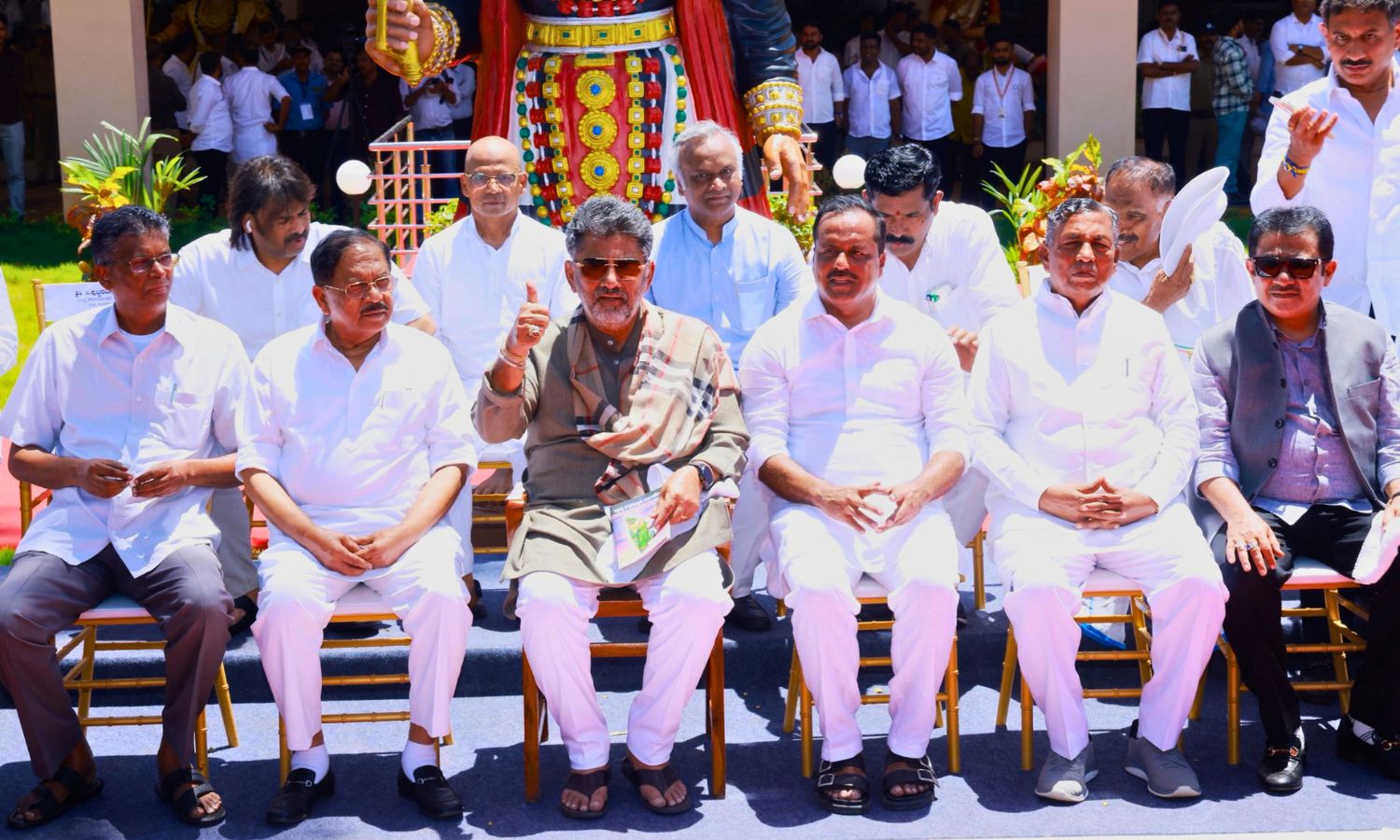
Karnataka's Cabinet has approved Tulu as the state's second additional official language, a major milestone for speakers of the language concentrated in coastal districts. Deccan Chronicle reported that Chief Minister D K Shivakumar announced the decision at the Cabinet's first meeting held in Mangaluru. The move will allow people in Dakshina Kannada and Udupi districts to access government services in Tulu, their mother tongue.
About 1.85 million people speak Tulu, according to the 2011 Census. The decision comes after years of advocacy from language groups, political leaders across party lines, and expert committees that studied Tulu's history, literature, and cultural significance. The News Minute noted that the approval marks recognition of the language's role in the region's identity.
What Decades of Advocacy Finally Achieved
Tulu advocates have pushed for official recognition for years, supported by groups like Jai Tulunad and the Karnataka Tulu Sahitya Academy, established in 1994. Political figures from both Congress and BJP backed the demand. The Karnataka Rakshana Vedike said Tulu and Kannada are sister languages that developed together for thousands of years.
Two major government studies fueled the push. An expert committee led by Dr. Mohan Alva submitted a detailed report on Tulu's history and culture in 2023. A second government team examined how other states handled official-language status and submitted findings in March 2026, paving the way for Cabinet approval.
Government Services Now Available in Tulu
The new status means Dakshina Kannada and Udupi residents can use Tulu in dealings with government offices. Mangalore Today reported that the Cabinet approved projects worth Rs 32,611 crore alongside the language decision. The move addresses a longstanding complaint that people had to use Kannada or English to access official services in their home region.
Implementation will require government forms, documents, and communications to be available in Tulu. District offices will need staff trained to process requests in the language. This practical step helps preserve Tulu while serving the daily needs of its 1.85 million speakers concentrated in coastal Karnataka.
The Unfinished Fight for Constitutional Recognition
Tulu advocates also want the language added to India's Constitution's Eighth Schedule, which lists official languages. A committee led by Sitakant Mohapatra, formed in 2003, set criteria for adding languages but Tulu has not yet made the list. The Constitution currently does not recognize Tulu formally at the national level.
Coastal Karnataka leaders have proposed that both Tulu and Kodava — another regional language — be added to the Eighth Schedule. This demand remains unresolved, even as the state-level victory gives Tulu speakers a boost. Full constitutional recognition would unlock federal funding and protection for language programs and education.
Political Implications for Coastal Karnataka
Coastal Karnataka is a stronghold of the BJP, where the party won 11 of 13 Assembly seats in 2023. Congress won only two seats in the region. The Tulu recognition decision could strengthen the Congress-led state government's ties with local voters who demanded the change for decades.
The move shows the state government responding to grassroots cultural demands across party lines. Tulu speakers see it as validation of their linguistic heritage. For the Congress Cabinet, approving the proposal demonstrates responsiveness to communities in areas where the party has struggled electorally.
Sentiment
Mostly PositiveNEGATIVENEUTRALPOSITIVE
Publishers
16
Articles
12
Reach
28
A
AnonymousAuthor