Tesla Launches Limited Cybercab Service in Austin
Tesla Launches Limited Cybercab Service in Austin
Anonymous
Key Points
1
Tesla’s Austin Robotaxi service was limited to designated parts of the city, with executives promising dynamic ride pricing and a “first-class experience at coach price.”
2
About two million people were reportedly waiting on X for a livestream that Tesla had been expected to provide, but the company instead held a closed launch event.
3
NHTSA’s audit query covers an estimated 1,000 Cybercabs and is examining the technical data and certification process Tesla used, including whether the company treated certain federal safety standards as inapplicable. Tesla does not appear to have sought a formal exemption.
4
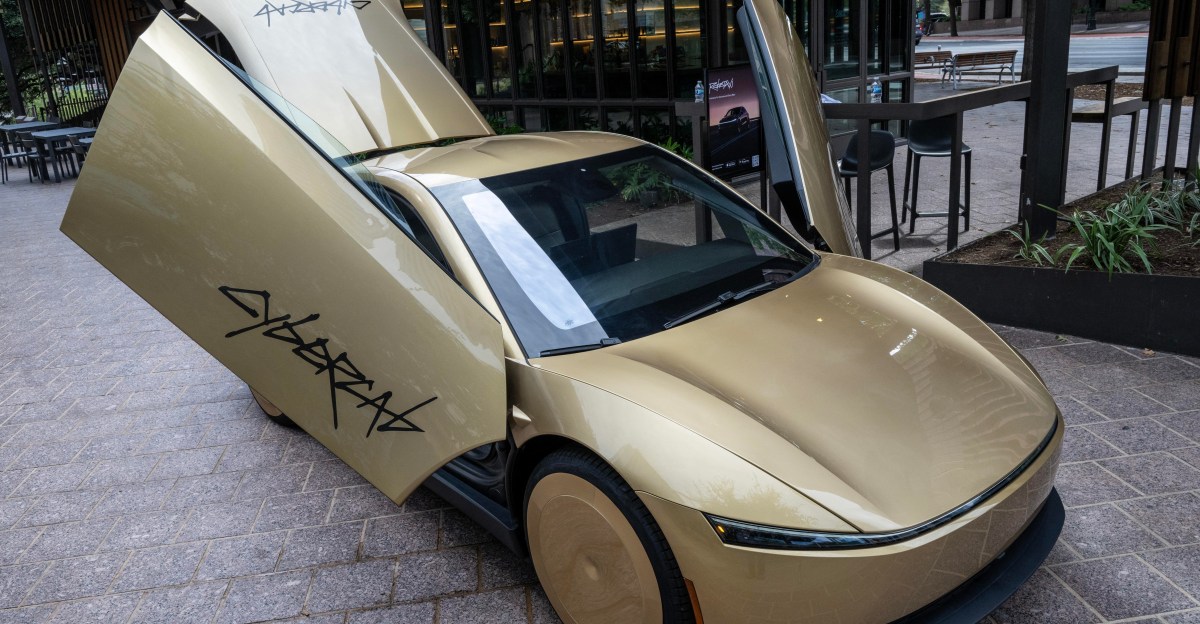
The Cybercab is a two-seat vehicle designed specifically for autonomous taxi use, and Tesla expects it to be cheaper to operate than its conventional vehicles.
5
Tesla’s camera-only autonomy strategy is based on Elon Musk’s view that cars should ultimately be able to drive using vision alone because humans do not need laser sensors; analysts say the approach may work eventually but has presented significant challenges so far.
Tesla launched its long-awaited Cybercab robotaxi service in Austin with just 45 vehicles and an invite-only model, falling short of the larger rollout and livestream event investors expected. Yahoo Finance reported that Tesla shares dropped roughly 3% in premarket trading as the company revealed a limited, staged deployment rather than the rapid expansion its executives had promised.
The two-seat, steering-wheel-free vehicle marks a critical test of Elon Musk's autonomous-vehicle strategy. However, Tesla's camera-only autonomy approach—which avoids the lidar sensors used by rivals—has drawn scrutiny from the National Highway Traffic Safety Administration, which opened an audit into whether the Cybercab meets federal safety standards for vehicles lacking traditional steering wheels, pedals, and mirrors.
A Scaled-Back Launch Disappoints Wall Street
Tesla's Austin service began with roughly 45 Cybercabs operating in designated zones, a far smaller fleet than investors anticipated. Yahoo Finance noted that about two million people on X had been waiting for a livestreamed event that Tesla ultimately held in closed form instead, adding to market disappointment about the company's execution pace and unclear path to nationwide expansion.
The limited launch raises questions about production capacity and scaling timelines. Tesla has not disclosed how quickly it plans to expand beyond Austin or when the promised $30,000 retail Cybercab will reach consumers. Executives promised dynamic ride pricing and a "first-class experience at coach price," but the narrow initial service offers little proof that the economics will work at scale.
NHTSA Questions Cybercab's Certification Process
Federal regulators opened an audit covering an estimated 1,000 Cybercabs to examine how Tesla certified a vehicle with no steering wheel, pedals, or side mirrors—features typically required under safety standards. Yahoo Finance reported that Tesla does not appear to have sought a formal exemption, raising questions about whether the company treated certain safety rules as inapplicable without proper approval.
The audit focuses on the technical data and certification process Tesla used to bring the Cybercab to market. Regulators are scrutinizing whether a camera-only autonomy system and a radical vehicle design can meet safety thresholds established for traditional cars. This review could delay broader rollouts if NHTSA demands design changes or formal exemption petitions.
Camera-Only Strategy Diverges From Industry Rivals
Tesla's autonomy system relies purely on cameras and neural networks, rejecting the lidar sensors that Waymo and Cruise use for redundancy. Musk believes cars should drive using vision alone, since humans lack laser sensors. If the approach succeeds, it could cut hardware costs and support lower fares, but analysts say it has faced significant technical hurdles so far.
Tesla reported that its Robotaxis have accumulated 1 million miles of unsupervised driving, up from 380,000 six weeks earlier. However, the limited deployment and small sample size make it difficult to assess whether the system is truly ready for widespread urban use. Competitors' lidar-equipped vehicles may have an advantage in near-term validation, while switching Tesla's architecture would be costly given how deeply it is wired into the current system.
Sentiment
Mostly NegativeNEGATIVENEUTRALPOSITIVE
Publishers
17
Articles
14
Reach
31
A
AnonymousAuthor


