Tunnel Rescue Operation
Indian and Nepali Rescue Teams Work to Reach Six Workers Trapped in Tunnel
Anonymous
Key Points
1
India approved electricity exports to Nepal for up to 18 hours a day, with supplies of up to 600 MW, from September 13 through December 31, 2026, after the floods damaged hydropower infrastructure and reduced Nepal’s domestic generation capacity.
2
The Nepal Army constructed more than one kilometre of access road from Syafrubesi toward the Chilime tunnel, allowing rescue equipment to be brought closer to the site.
3
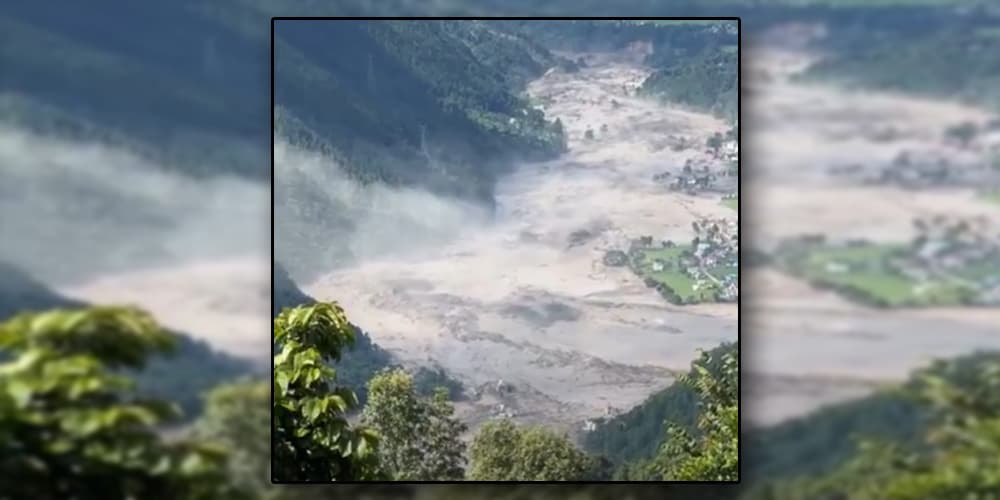
The August 26 ice-rock avalanche and resulting flash floods reportedly killed nearly 1,400 people, left more than 5,000 missing and damaged multiple hydropower projects; around 100 people were believed to remain trapped in nearly a dozen hydropower-related tunnels.
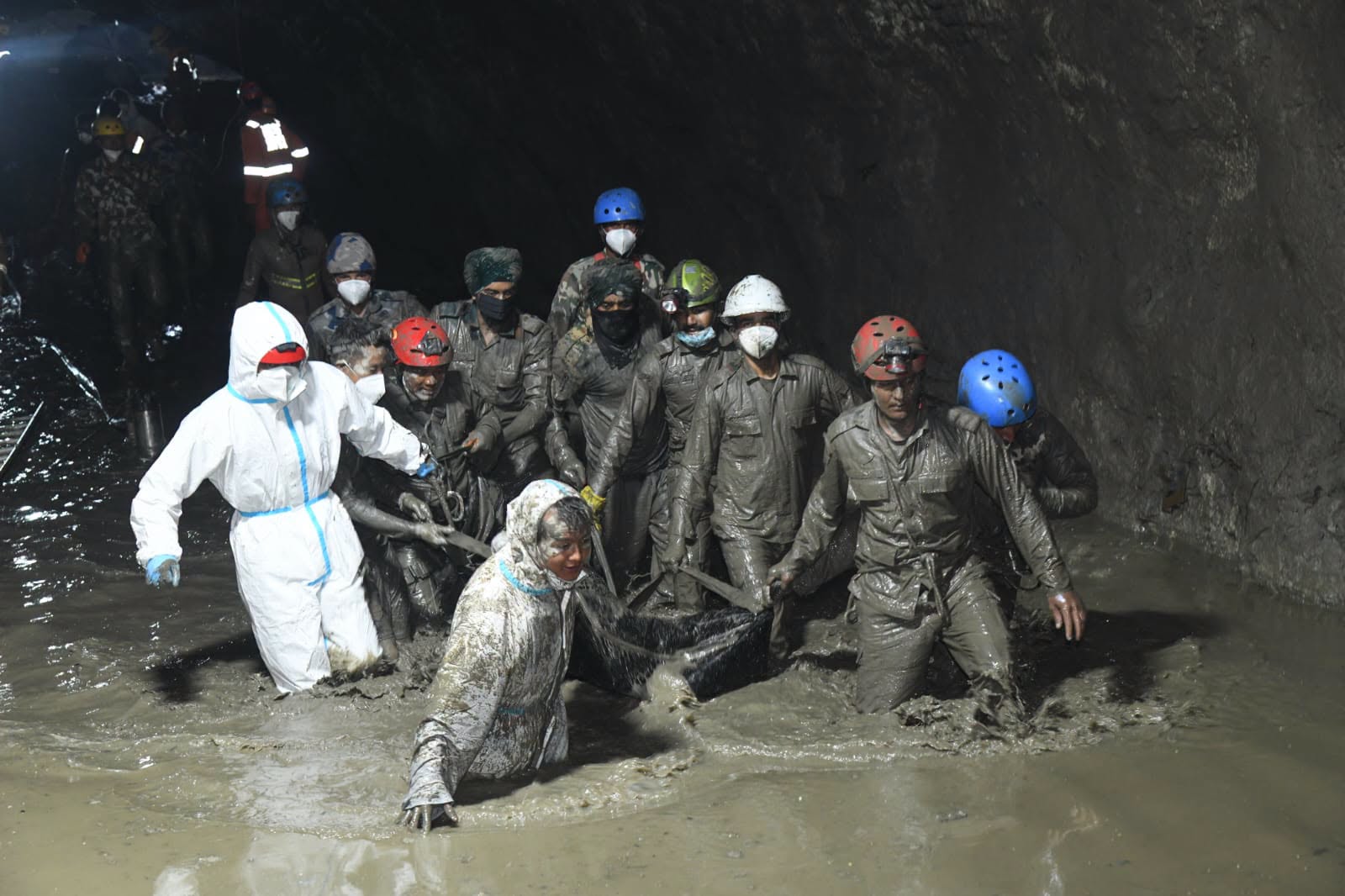
Indian and Nepali rescue teams have made critical progress clearing debris from Nepal's Chilime hydropower tunnel after an August 26 ice-rock avalanche and flash floods trapped six workers underground. Asian News reports that teams have excavated roughly 70 meters of mud and rock, using excavators, loaders, and specialized pumps to push through water and massive boulders blocking access to the underground powerhouse. The trapped workers are believed to be about 60 meters further ahead, though there has been no official confirmation of contact with them.
The August 26 disaster killed nearly 1,400 people across the region and left more than 5,000 missing. Daily Excelsior reports rescue teams are working around the clock, supported by over one kilometer of access roads built by the Nepal Army and India's Border Roads Organisation. India has also approved electricity exports of up to 600 MW daily to Nepal through December 2026 to offset damage to the country's hydropower capacity.
Five Bodies Found, Search Continues for Survivors
Recovery teams have extracted five bodies from the Chilime tunnel powerhouse after clearing the debris blockage. Times of India reports that Indian Army personnel used specialized 'rat-hole' digging techniques — small-scale underground excavation — alongside Nepali rescuers to reach the underground chamber. The discovery of these bodies confirms workers were in the tunnel when the disaster struck.
Despite locating five bodies, officials have not confirmed the status of all six workers believed trapped. The Meghalayan Express notes that reports of an air pocket near the suspected location do not establish whether any workers survived. Recovery operations are ongoing, with teams continuing to search for additional victims.
Multiple Hydropower Projects Hit by Flooding
The August 26 disaster damaged hydropower infrastructure across Nepal, trapping workers in nearly a dozen tunnels. Nepal News reports that nine bodies have been recovered from remains at two separate hydroelectric project sites in Rasuwa district. Indian and Nepali rescue teams are also conducting operations at the Upper Trishuli-3B hydropower project, where more than 100 Nepal Army personnel have been deployed.
India Steps In With Electricity Supplies and Road Access
The floods severely reduced Nepal's hydropower generation capacity, forcing India to step in with emergency support. India approved electricity exports to Nepal of up to 600 MW daily from September 13 through December 31, 2026 — enough to supply power for up to 18 hours per day. Nepal had lost critical generation from multiple damaged projects.
Rescue operations were made possible by infrastructure improvements. Daily Excelsior reports the Nepal Army constructed over one kilometer of new access road from Syafrubesi toward the Chilime tunnel site. The Border Roads Organisation also prepared routes to move heavy excavation equipment closer to the trapped workers.
Sentiment
Mostly NegativeNEGATIVENEUTRALPOSITIVE
Publishers
15
Articles
32
Reach
47
A
AnonymousAuthor