Nepal Flood Crisis
Nepal Flood Toll Exceeds 1,200 as Rescuers Face Severe Equipment Shortages
Anonymous
Key Points
1
Despite a polished digital response from Nepali authorities (dashboards, GIS, drones, AI), ground rescue efforts are hampered by a lack of specialized equipment; a Nepali Army tunnel rescue video showed troops relying on smartphone flashlights, prompting public outcry over insufficient lighting and demolition gear.
2
Authorities estimate about 20,000 houses will need to be rebuilt in safer locations as part of Nepal’s massive recovery and rebuilding drive.
3
In areas like Paharebesi in the Rasuwa district, families have begun using kusha grass effigies to perform symbolic funerals for missing relatives, illustrating cultural coping as body identification remains difficult.
4
Foreign nationals’ status is a notable aspect of the response: more than 300 foreign nationals have been rescued, while about 590 tourists from 39 countries remain missing.
5
Cross-border casualties on the Nepal-China side include 21 deaths in Gyirong county near the border, with 541 others still missing as of Wednesday, underscoring the regional scope of the disaster.
A catastrophic ice-rock avalanche along the Nepal-Tibet border has killed over 1,200 people and left roughly 4,000 others missing, making it one of the deadliest Himalayan disasters in recent years. KOAA News reports that nearly 12,000 have been rescued so far, but thousands remain unaccounted for as rescue teams battle mud-clogged tunnels, debris fields, and persistent monsoon rains. The disaster has drawn emergency aid from India, China, Singapore, and South Korea, including DNA analysis teams to identify victims.
Despite Nepal's deployment of digital dashboards, GIS mapping, and social media alerts to coordinate the response, ground rescue efforts remain severely hampered by outdated equipment and limited specialized training. Counterview notes this gap between technological response and on-the-ground capacity has frustrated families and prompted concerns about whether missing loved ones will ever be found.
The Avalanche That Triggered Regional Disaster
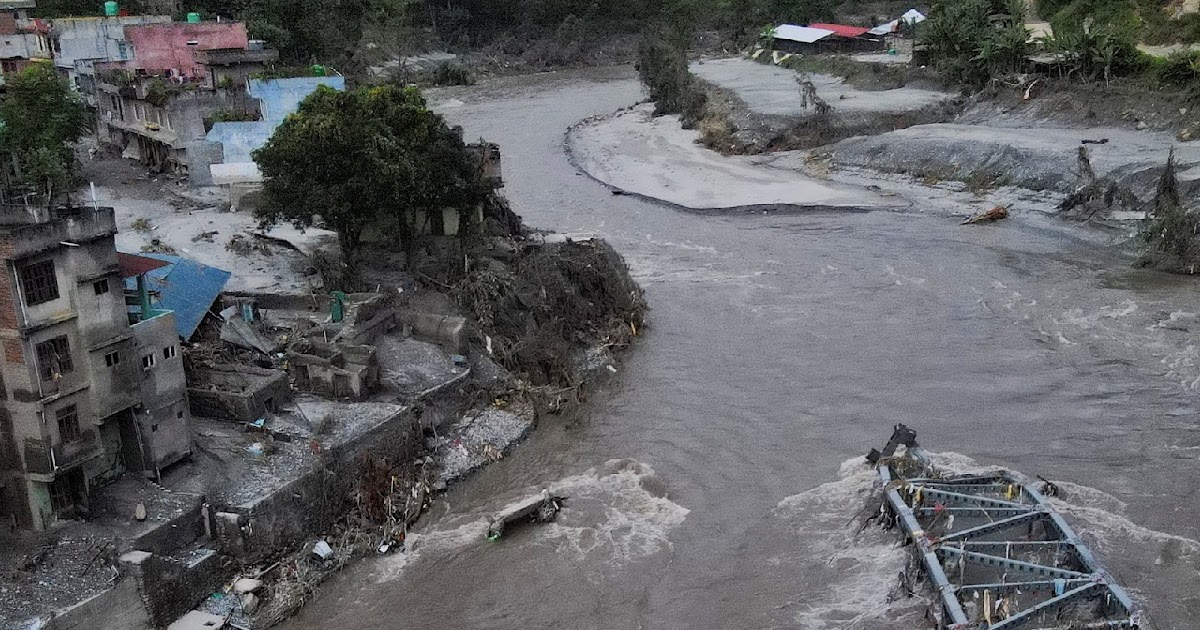
On August 26, 2026, a major collapse of ice and rock at the Nepal-China border unleashed a debris flow that swept through multiple valleys with devastating speed. Counterview calls it "one of the most serious Himalayan disasters in recent years." The avalanche created a tsunami-like wall of mud and rubble that destroyed villages, buried homes, and blocked rivers. Casualties spanned both sides of the border: Nepal reported over 1,200 deaths, while Gyirong county on the Chinese side recorded 21 deaths with 541 still missing as of Wednesday.
Smartphones and Flashlights Replace Proper Rescue Gear
Nepal's military rescue videos revealed a startling reality: troops searching mud-filled tunnels relied on smartphone flashlights instead of professional lighting equipment. The lack of specialized demolition gear and tunnel-rescue tools sparked public outcry over inadequate preparation. Ground teams struggle with debris removal and access to hydropower facilities clogged by mud, while specialized search-and-rescue personnel remain scarce across the country.
Families Turn to Ancient Rituals for Missing Loved Ones
In villages like Paharebesi in Rasuwa district, Hindu families have begun performing symbolic funeral rites using kusha grass or straw effigies for relatives whose bodies have not been recovered. This cultural practice provides spiritual closure when traditional burials are impossible. Authorities estimate roughly 4,000 to 4,400 people remain officially unaccounted for, making identification and recovery an ongoing, heartbreaking process for thousands of families.
International Tourists and Foreign Nationals Caught in Crisis
More than 300 foreign nationals have been rescued from the disaster zone, but approximately 590 tourists from 39 countries remain missing. KOAA News reports that rescue teams from multiple nations—including India, China, Singapore, and South Korea—have mobilized to assist, bringing DNA analysis capability to speed victim identification. The scale of foreign nationals caught in the disaster has drawn international media attention and prompted coordinated diplomatic rescue efforts.
Nepal Faces Massive Rebuilding and Climate Warning
Officials estimate approximately 20,000 homes will need to be rebuilt in safer locations as part of Nepal's recovery plan. KOAA News reports authorities are framing the disaster as evidence of climate-change-driven extreme weather and have called for international support and investment in resilience. With monsoon rains persisting and further flooding possible, the immediate focus remains on rescue operations while long-term reconstruction planning begins. The recovery effort will test Nepal's disaster-management capacity and its ability to integrate lessons learned into future infrastructure.
Sentiment
Mostly NegativeNEGATIVENEUTRALPOSITIVE
Publishers
24
Articles
34
Reach
58
Topics
A
AnonymousAuthor


