Record Wartime Duma Supermajority
United Russia secures a record wartime Duma supermajority in a tightly controlled election.
Anonymous
Key Points
1
Voting was spread over three days, and online voting was offered in some regions; turnout was the highest for a Russian parliamentary election in more than a decade.
2
The smaller parties’ 97 seats were divided among the Communist Party (37), the Liberal Democratic Party (23), New People (19), A Just Russia (17) and Rodina (one).
3
Putin described the election results as evidence of public support for Kremlin policies, while reports noted that the vote took place amid economic troubles and long-range Ukrainian drone attacks.
4
United Russia and other parties said they had included dozens of veterans of the war in Ukraine among their candidates.
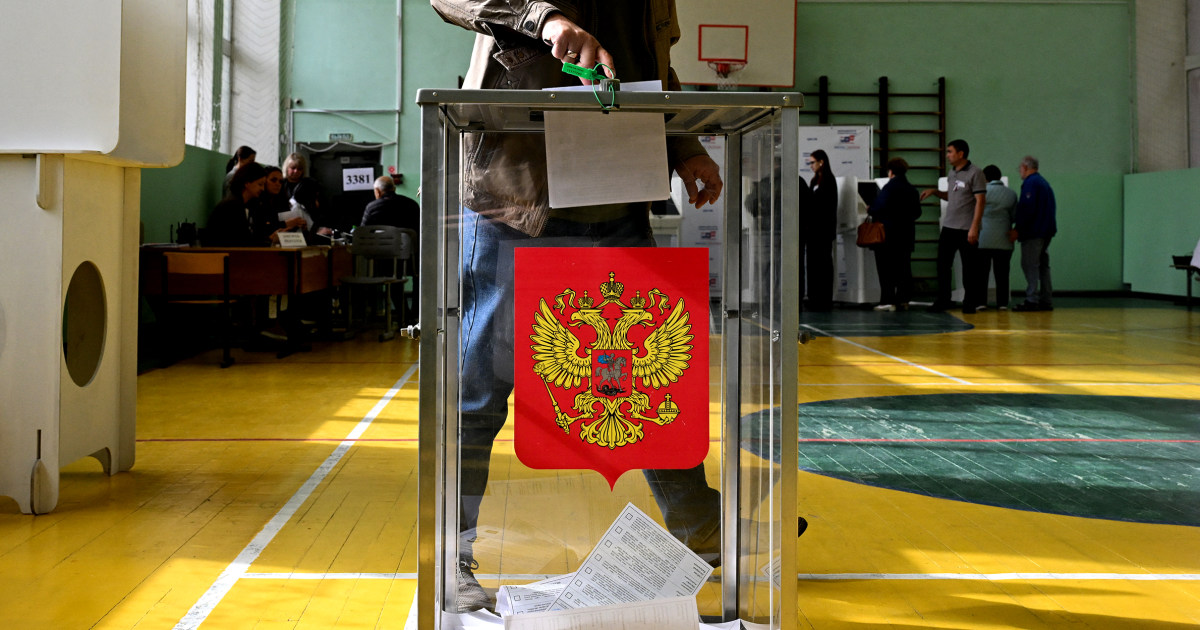
Russia's ruling United Russia party won 349 of 450 State Duma seats in the country's first wartime election, securing a record supermajority NBC News described as marking the party's highest-ever parliamentary dominance. Nearly 60% of eligible voters participated across three days of voting, The Moscow Times reported, the highest turnout for a Russian parliamentary election in over a decade. The election took place amid economic strain and ongoing Ukrainian drone attacks on Russian territory.
President Putin celebrated the results as evidence of public backing for Kremlin policies. Four Kremlin-aligned smaller parties won the remaining 97 seats, while independent candidates took four seats. Newsytes confirmed that the vote included balloting in four Ukrainian regions claimed by Moscow and in Crimea—actions Kyiv denounced as illegal.
A Supermajority That Reshapes the Duma
United Russia's 349 seats represent over 75% of the 450-seat parliament, Reuters-sourced reporting confirmed. This surpasses the party's previous record of 238 seats from 2016. The remaining seats split among five smaller parties: the Communist Party earned 37 seats, the Liberal Democratic Party got 23, New People took 19, A Just Russia claimed 17, and Rodina won one seat.
The Moscow Times noted this was described as the 'most uncompetitive' Russian parliamentary election in modern history. The supermajority gives United Russia the power to pass laws without any opposition input and amend the constitution without support from other parties.
Three Days of Voting in a Controlled System
The election spread voting across three consecutive days and allowed online voting in some regions, a format that Newsytes said boosted participation to nearly 60% of eligible voters. This was the highest turnout for a Russian parliamentary election in more than a decade. Traditional opposition parties were blocked from competing, leaving only Kremlin-aligned choices on ballots.
The voting took place against a backdrop of economic hardship and repeated Ukrainian drone strikes on Russian cities. Putin framed the strong turnout and United Russia's dominance as proof that Russians support his government's wartime direction and policies.
War Veterans Fill Campaign Ranks
United Russia and other parties fielded dozens of veterans from the Ukraine war among their candidates, using military service as a campaign credential. Head Topics reported the major parties emphasized their war-experienced lawmakers to appeal to voters. The move tied parliamentary candidates directly to Russia's ongoing military campaign in Ukraine.
Ukraine Contested Votes in Annexed Regions
The election included voting in four Ukrainian regions—Donetsk, Luhansk, Zaporizhzhia, and Kherson—that Russia claims but does not fully control, plus Crimea. Democrata reported Moscow held these ballots as part of the parliamentary election. Kyiv and Western nations declared the votes illegal, stating they violated Ukraine's sovereignty and international law.
Sentiment
Mostly NegativeNEGATIVENEUTRALPOSITIVE
Publishers
19
Articles
20
Reach
39
A
AnonymousAuthor


