Public Charge Rules Expand Benefits Scrutiny Nationwide
Public Charge Rules Expand Benefits Scrutiny Nationwide
Anonymous
Key Points
1
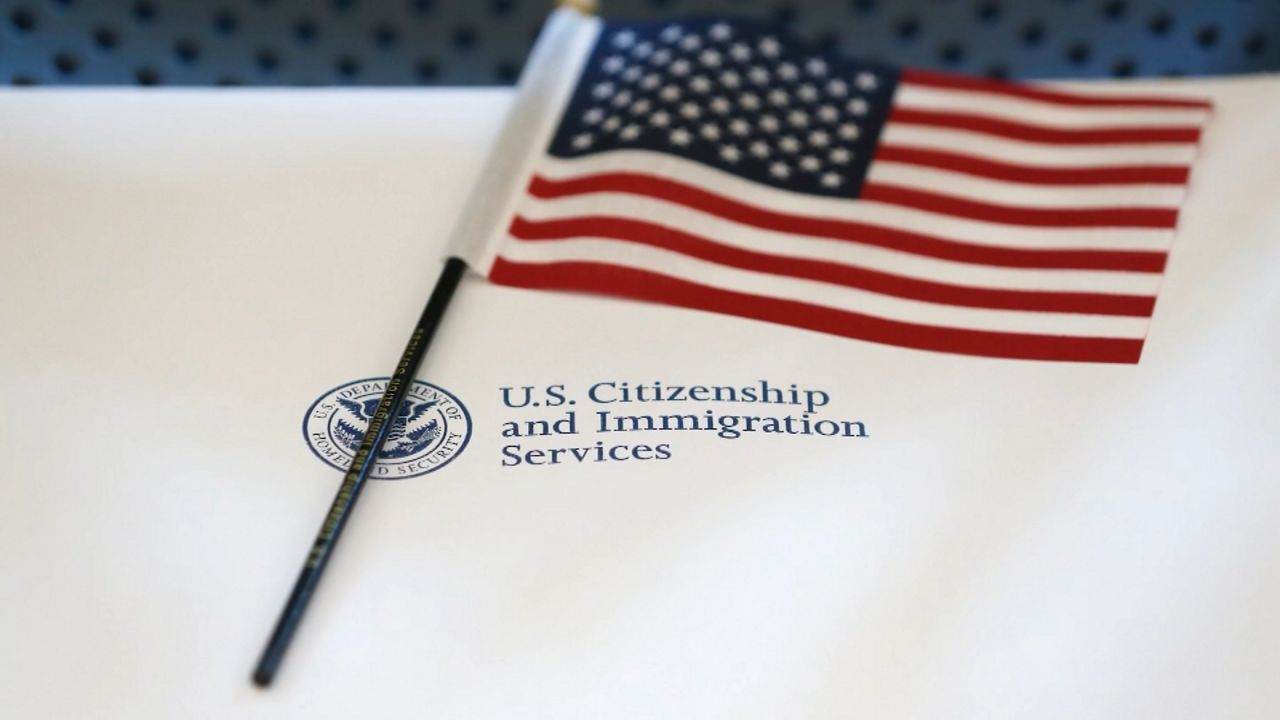
USCIS will require adjustment-of-status applications submitted on or after Sept. 18, 2026, to use the newly issued Form I-485 edition; applications using older versions will be rejected at intake.
2
The rule allows officers to consider an applicant’s past or anticipated use of means-tested benefits for any length of time, and it removes the prior clarification that benefits received by family members could not be treated as the applicant’s own receipt.
3
Programs funded through payroll contributions, including Medicare, Social Security and unemployment benefits, are not counted under the expanded public-charge assessment.
4
The lawsuits challenging the rule include a separate case brought by New York City, Chicago, San Francisco, Santa Clara County, Seattle, King County, Washington, and the Public Rights Project, in addition to the multistate action led by New York.
5
The policy’s expanded benefits review can affect applicants in family-sponsored, employment-based and Diversity Visa pathways, rather than being limited to one category of green-card applicant.
New public charge rules took effect on September 18, 2026, fundamentally changing how immigration officials evaluate green card and admission applications. The Trump administration's policy allows Spectrum Local News to expand what counts as a barrier to residency: immigration officers can now consider Medicaid, food stamps, housing assistance, and other means-tested benefits when reviewing applications, rather than applying a single income threshold.
The rule affects applicants across all green card pathways—family-sponsored, employment-based, and Diversity Visas. ABC Columbia reported that receiving benefits does not automatically deny an application, but applicants face new scrutiny based on the totality of their circumstances: age, health, household size, finances, education, and job skills. Refugee and asylee statuses remain exempt, as do certain T and U visa holders and those renewing green cards or seeking citizenship.
What Benefits Now Count Against Applicants
Under the new rule, immigration officers must consider whether an applicant used or will likely use a broad range of means-tested benefits. This includes Medicaid, Supplemental Nutrition Assistance Program (food stamps), housing assistance, and other welfare programs. CiberCuba noted the policy significantly expands the criteria for public charge determinations. Critically, the rule removes a prior protection: officials can now treat benefits received by family members as if the applicant received them.
Programs funded through payroll contributions—Social Security, Medicare, and unemployment insurance—do not count under the expanded assessment. USCIS will only process adjustment-of-status applications submitted on or after September 18 if they use the new Form I-485 edition. Applications using older versions will be rejected at intake, forcing applicants to restart their applications with current paperwork.
States and Cities Launch Coordinated Legal Challenges
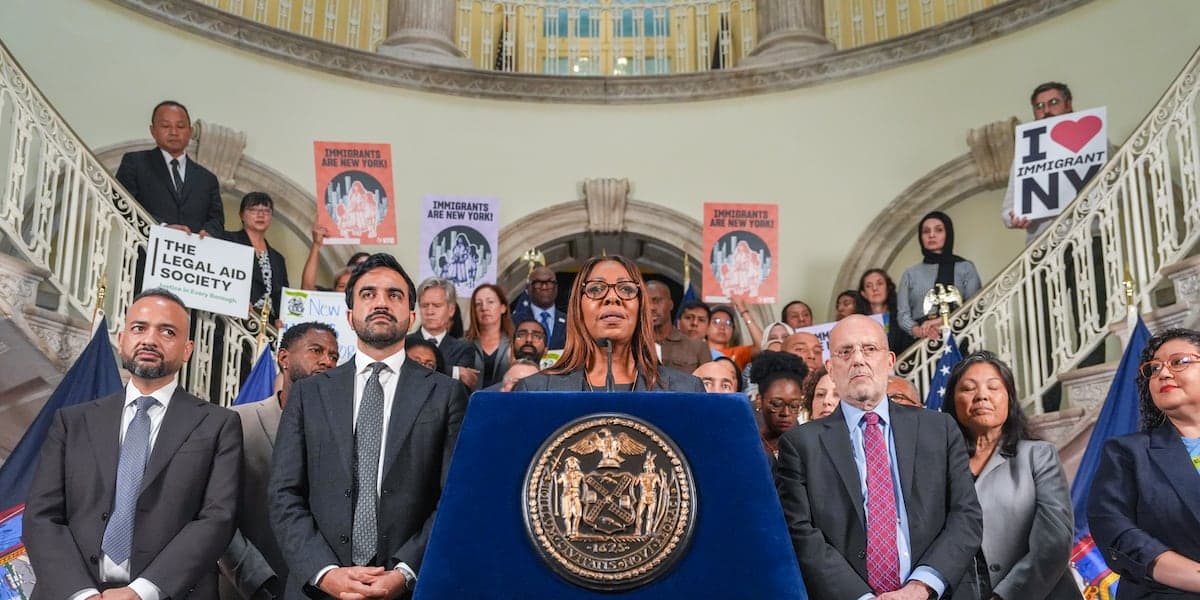
California and other states filed lawsuits to block the policy before it took effect on September 18. New York led a multistate action, while a separate case involved seven jurisdictions: New York City, Chicago, San Francisco, Santa Clara County, Seattle, King County, Washington, and the Public Rights Project. Local 21 News reported that applicants in pending cases can face extended delays, as the green card process involves lengthy uncertainty even before a determination is made.
As of the rule's implementation date, no court order had prevented the policy from taking effect. States and advocacy groups argue the new standards could deter immigrant families from accessing health care or enrolling U.S.-citizen children in food assistance and housing programs. They contend the policy chills enrollment in essential services that benefit public health and economic stability across communities.
How the Rule Reshapes Green Card Application Criteria
The revised public charge framework moves away from fixed income thresholds toward subjective assessment of "totality of circumstances." Officers now weigh multiple factors simultaneously—including past benefit use, anticipated future reliance, and household composition—rather than simply checking if an applicant earns above a certain threshold. KCen TV reported that the rule applies broadly across immigration categories.
The Trump administration argues the policy protects U.S. public resources and ensures applicants can support themselves. Immigrant advocates counter that the expanded definition creates a chilling effect: families fear seeking benefits they qualify for, even though receiving assistance does not guarantee application denial. This uncertainty could suppress demand for legitimate public services and create barriers for working families trying to maintain health insurance coverage and food security.
Sentiment
Mostly NegativeNEGATIVENEUTRALPOSITIVE
Publishers
20
Articles
84
Reach
104
A
AnonymousAuthor