Maharashtra Water Cut
Maharashtra Imposes 10% Water Cut Across All Local Bodies Amid Monsoon Deficit
Anonymous
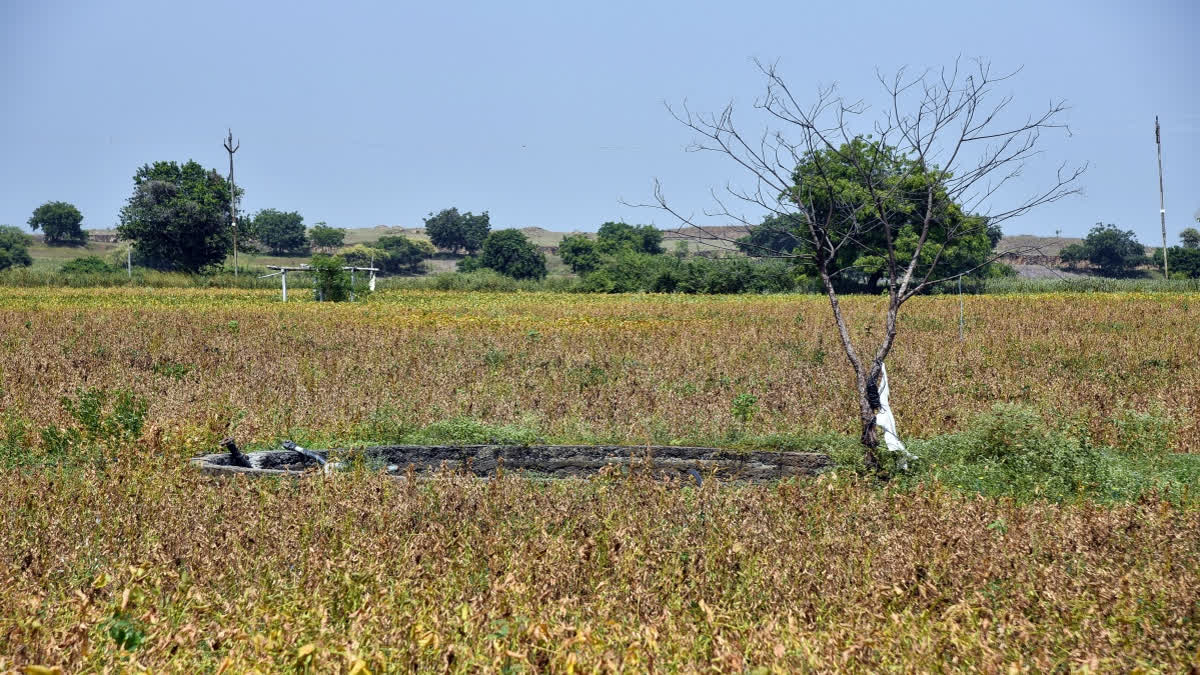
Maharashtra is bracing for severe water shortages and will cut water supply by at least 10% across all cities and villages starting October 16. Times of India reports the state faces a weak monsoon season and the threat of El Niño, a weather pattern that reduces rainfall. State Water Resources Minister Girish Mahajan ordered the cuts after analyzing dam levels and water reserves through August 2027.
The cuts apply to every municipal corporation, municipality, and gram panchayat in the state. News18 notes that Maharashtra has also directed local bodies to fix water leaks and run sewage treatment plants at full capacity. Multiple government departments are coordinating the response to prevent a drought-like crisis.
Why Maharashtra's Monsoons Failed This Year
El Niño, a warming of Pacific Ocean waters, is disrupting weather patterns across Asia. DTNext explains that the deficient monsoon rains have left Maharashtra's reservoirs dangerously low. The state relied on heavy rainfall between June and September to fill its dams, but this year's monsoon fell short of normal expectations.
Water planners mapped out dam-wise storage and usage patterns all the way to August 2027. The analysis showed available water supplies would not meet normal demand. This forced officials to implement the 10% cut across urban and rural areas simultaneously.
A 10% Cut Affects Millions of Citizens
The water reduction will touch every resident in Maharashtra's cities and villages. Times Now News reports the directive reached all municipal corporations and gram panchayats on the same date. No local body is exempt, making this a statewide response to the water crisis.
Citizens will see reduced water pressure and shorter supply windows at taps and public standpipes. Families and businesses must adapt by collecting and storing water during supply hours. Schools, hospitals, and factories will also feel the squeeze from the 10% shortfall.
Local Bodies Get Orders to Reduce Waste
Times of India reports that local authorities must launch special drives to stop water leakage in pipes and distribution networks. Aging pipes lose millions of gallons daily to cracks and breaks. Fixing these leaks can recover water without cutting supply further.
The government also directed sewage treatment plants to run at peak capacity. This recycled water can serve industries and irrigation, freeing up fresh water for homes. The state's Water Resources, Revenue, Agriculture, Industries and Urban Development departments are all coordinating the push to stretch available supplies.
Sentiment
Mostly NegativeNEGATIVENEUTRALPOSITIVE
Publishers
20
Articles
24
Reach
44
Topics
A
AnonymousAuthor


