Lamu Land Dispute
Lamu residents file lawsuit to halt Dangote refinery construction over land rights
Anonymous
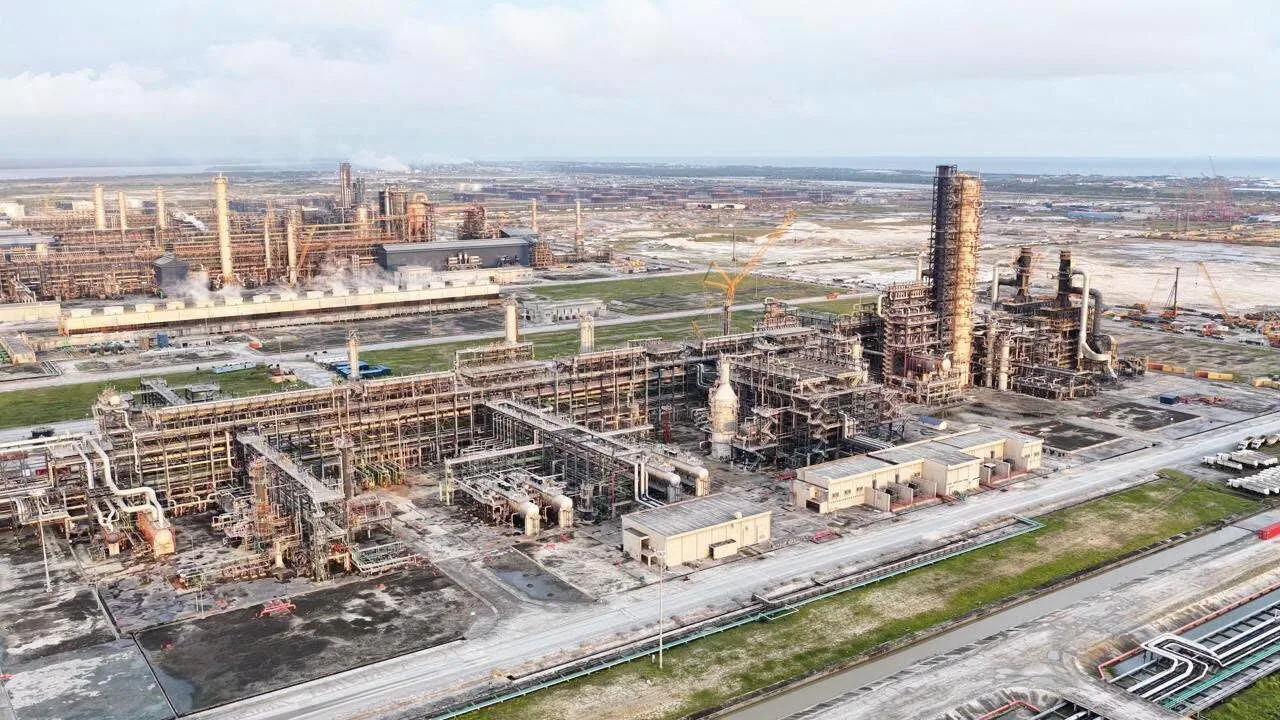
More than 130 residents of Chandavai and Magogoni in Lamu County have asked the courts to halt work on the proposed Dangote refinery until their land claims and compensation are addressed. They say families have farmed and lived on the disputed land for generations, and allege that preparatory works damaged crops and property without adequate notice, consultation or compensation. Some residents support the project but are seeking guarantees on land rights, livelihoods, local employment and environmental protections, as well as more information and community involvement in decisions. President William Ruto has projected up to 60,000 jobs from the refinery and its wider industrial ecosystem, a figure that includes potential work with contractors and suppliers rather than 60,000 direct company vacancies.
Key Points
1
The Chandavai residents’ court filing asks the court to determine their community and customary interests in land parcel LR No. 13061, and seeks to stop construction, excavation and other activity there. The suit names government agencies, Lamu County, Dangote Industries and two contractors as defendants.
2
Residents say the disputed land is not only used for farming and homes: families also have livestock, mosques, shrines and, in some cases, ancestral graves on it. They argue that lacking formal title deeds does not erase their land interests or their entitlement to compensation.
3
In a separate account of the Magogoni community’s claim, resident Salim Tima Swaleh alleged that compensation for acquired land was being paid to someone else rather than to the farmers she said were the bona fide owners. The report says affected families demonstrated after filing their case at the Malindi Environment and Lands Court.
4
Local residents have called for investment in education so young people can qualify for project-related work, and asked how the refinery would directly benefit the surrounding population. They also say they have not received adequate information about the environmental impact assessment or had meaningful involvement in decisions.
5
The proposed refinery is expected to process up to 700,000 barrels of crude oil a day, while Kenya’s current crude production is insufficient to supply it. The report says the project would therefore rely on a proposed Turkana–Lamu crude oil pipeline or imported crude.
Sentiment
Mostly NegativeNEGATIVENEUTRALPOSITIVE
Publishers
19
Articles
2
Reach
21
A
AnonymousAuthor


