Ancient Martian Water Discoveries
New Studies Link Ancient Martian Water to Prebiotic Chemistry and Habitability
Anonymous
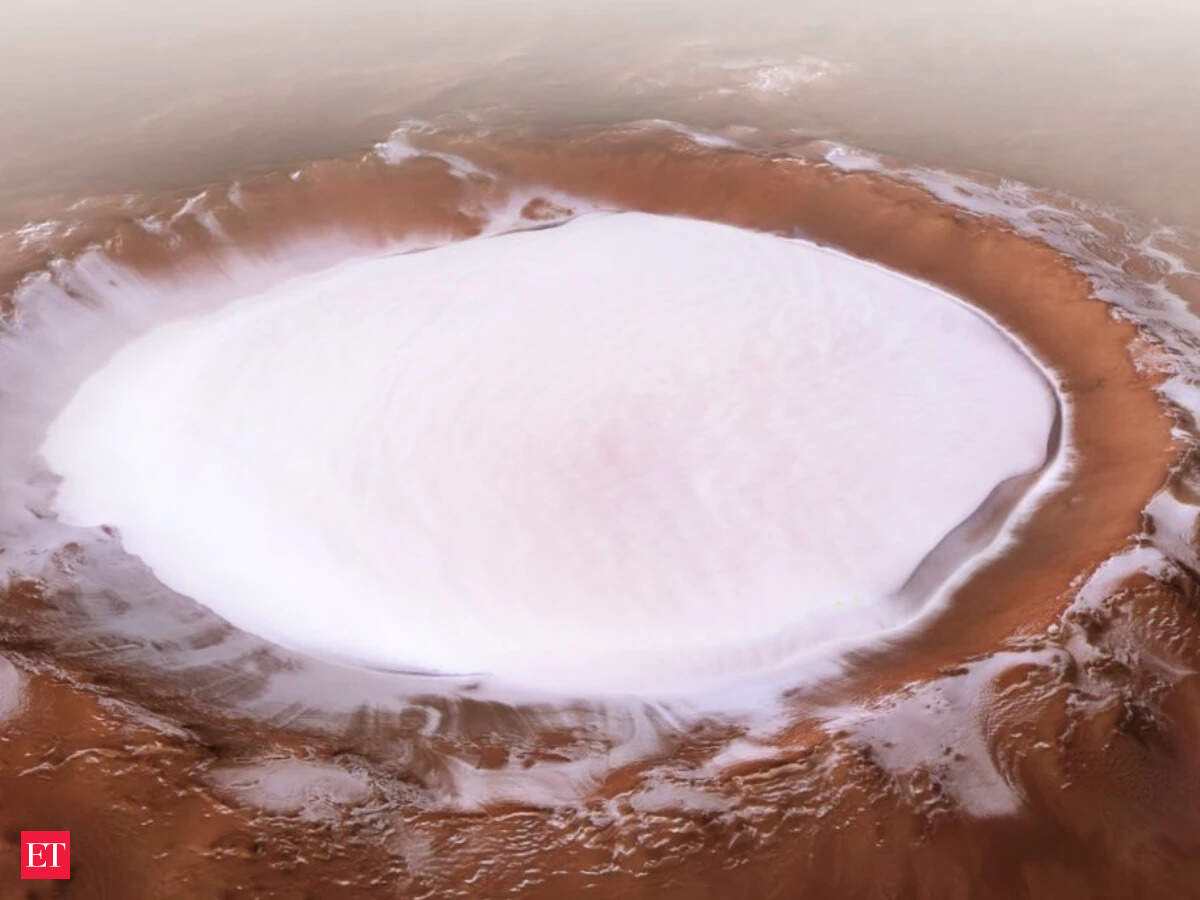
Two studies offer new clues to Mars’ ancient environments and potential habitability. A model of early Mars suggests atmospheric formaldehyde—a possible precursor to sugars, amino acids and other organic compounds—was more likely to reach and accumulate on water-rich areas, where water vapor helped form it and rainfall carried it to the surface. Separately, rocks examined by NASA’s Perseverance rover in Jezero Crater indicate the area’s history involved multiple episodes of water: underground groundwater, the crater’s ancient lake and a later period of hot fluids moving beneath the surface. The findings add complexity to the picture of ancient Mars, while highlighting environments and chemical processes relevant to the search for signs of past life.
Key Points
1
In the formaldehyde model, ultraviolet light split water molecules, releasing reactive hydrogen that helped produce formaldehyde in the atmosphere—a specific chemical pathway not detailed in the summary.
2
Perseverance’s discovery in Jezero’s Margin Unit was unexpected: orbital observations had revealed carbonate signatures, and the shoreline location led researchers to anticipate lake-deposited sedimentary rocks, but the rover instead found igneous rocks formed underground.
3
The Margin Unit investigation relied heavily on Perseverance’s SuperCam, which analyzes rock chemistry from a distance using a laser; the rover had examined more than 185 bedrock samples there.
Sentiment
Mostly PositiveNEGATIVENEUTRALPOSITIVE
Publishers
9
Articles
7
Reach
16
A
AnonymousAuthor


