Mars Rocks Altered Three Times
NASA Perseverance Rover Discovers Volcanic Rocks on Mars Altered by Water Three Times
Anonymous
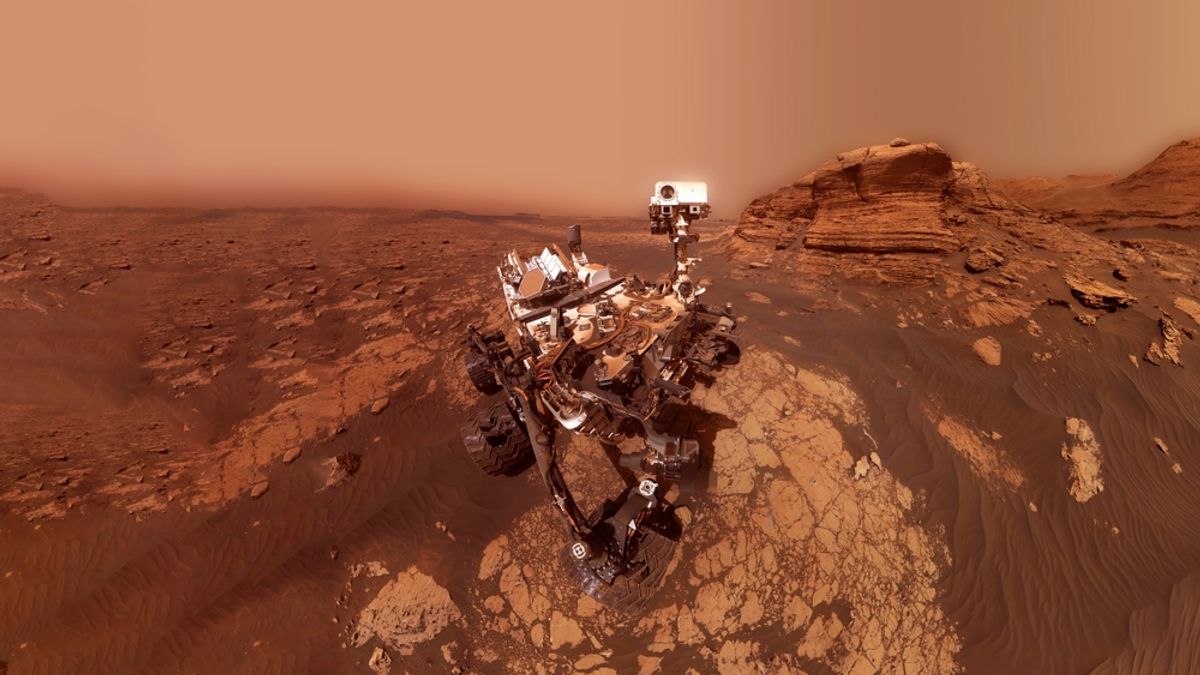
NASA’s Perseverance rover found that rocks in Jezero Crater’s Margin Unit, along the edge of an ancient lake, are igneous rather than the sedimentary rocks scientists expected. Analysis shows the rocks interacted with water at least three times, preserving evidence of a complex history of water activity on early Mars. The discovery is notable because orbiters had detected carbonates in the region, minerals that can form in shallow, potentially habitable waters and preserve signs of past life on Earth. Using its SuperCam instrument, Perseverance analyzed more than 185 rock targets; the findings add clues about Mars’ changing climate and habitability but do not establish that life existed there. The research was published in Communications Earth & Environment.
Key Points
1
The water-altered rocks varied by elevation: higher up, coarse-grained, olivine-rich rocks showed little evidence of water and had formed underground as magma cooled slowly; lower down, olivine grains were fractured and contained silica, with carbonate-filled fractures linked to carbon-dioxide-rich groundwater.
2
The study covered an elevation range of about 870 feet across the Margin Unit. Researchers said the implications extend beyond Jezero: “What we learn here reaches well beyond this crater,” said Purdue University scientist Candice Bedford.
3
The rover’s observations suggest the Margin Unit did not originally form at the bottom of the ancient lake, despite its shoreline-like location; its rocks had volcanic origins before later water altered them.
4
Perseverance is also collecting and storing rock and regolith samples for possible future analysis, as part of its broader search for signs of ancient microbial life and study of Mars’ geology and climate.
Sentiment
Mostly NegativeNEGATIVENEUTRALPOSITIVE
Publishers
16
Articles
8
Reach
24
A
AnonymousAuthor


