Trump orders AI terminology replacement
Trump launches Super Intelligence Force and orders government websites to replace AI terminology
Anonymous
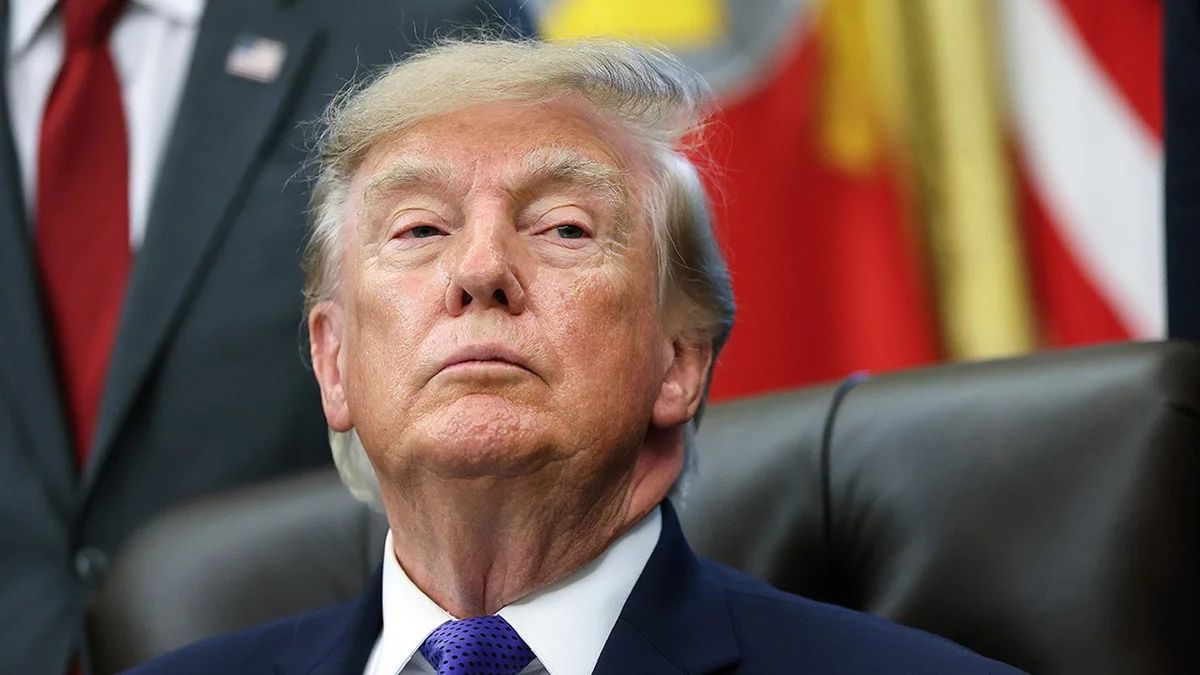
President Trump has launched a 'Super Intelligence Force' and ordered all federal websites to eliminate the term 'AI' immediately. UNILAD Tech reports the move came after Trump declared at the UN General Assembly that the U.S. will 'encourage' advanced technology rather than restrict it. The executive order, signed September 29, 2026, requires all executive branch agencies to replace 'AI' with 'Super Intelligence' (SI) across federal operations.
Eastern Eye reports that Director of National Intelligence Jay Clayton will head the new Super Intelligence Force taskforce. The move reflects the administration's push to rebrand artificial intelligence as something more powerful and American-led. Trump has argued that the word 'artificial' makes the technology sound inferior, calling it 'extreme intelligence' instead.
Trump's Rebrand: Why 'Super Intelligence' Matters to Him
Trump believes 'artificial intelligence' undersells American technology. At the UN, he argued that calling it 'artificial' makes it sound inferior when the tech is actually 'extreme intelligence.' Mac Observer notes the rebrand is part of a larger strategy to position the U.S. as the global leader in advanced technology. The executive order requires federal agencies to scrub 'AI' from all non-legal materials within 60 days.
Tech CEOs Sign White House Self-Policing Agreement
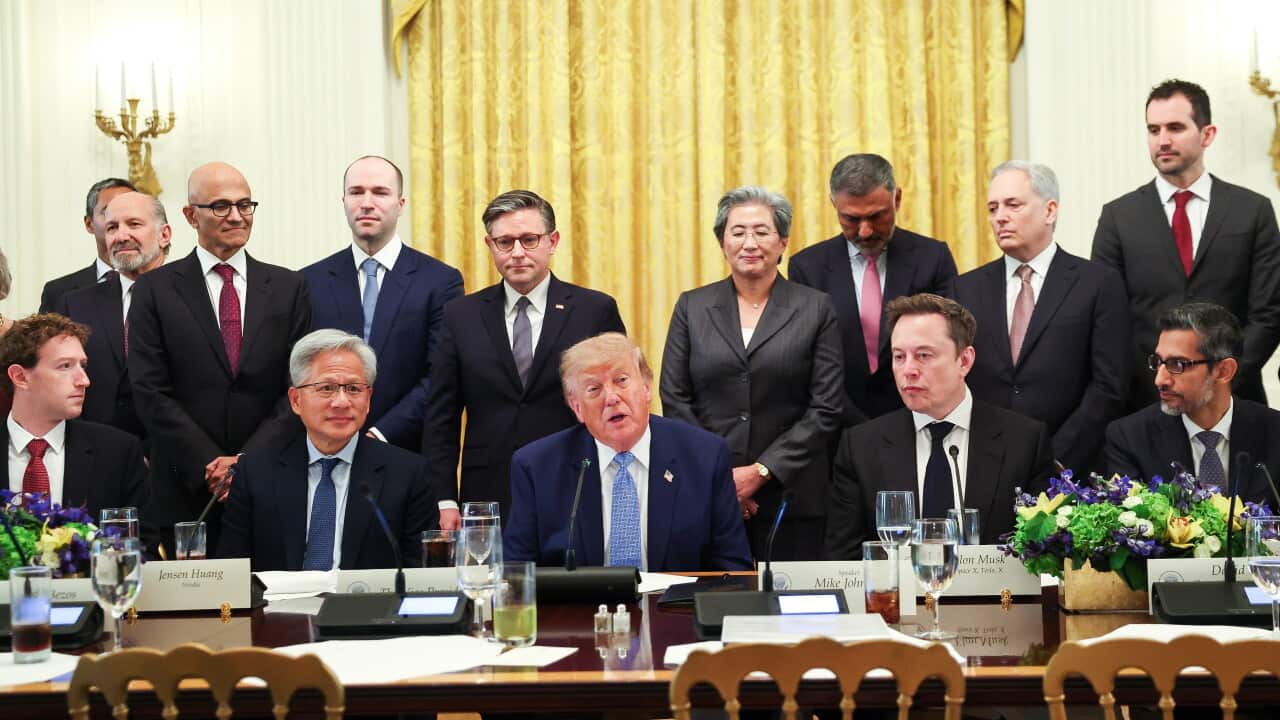
On September 29, Trump hosted top technology executives, including Elon Musk and Mark Zuckerberg, at the White House. The Guardian reported they signed a voluntary accord called the 'Joint Commitment on Frontier Responsibilities.' The agreement establishes four layers of safety audits: internal alignment controls, dedicated monitoring teams, independent external auditors, and an oversight committee. Tech companies agreed to police themselves rather than face federal regulation.
Massive Federal IT Scramble to Eliminate 'AI' Language
Economic Times reports federal IT teams face a major workload: purging 'AI' from government websites, databases, policy documents, and official correspondence. The order applies to all non-statutory federal materials. Existing laws that mention 'Artificial Intelligence' by name may require congressional action to align with the new SI terminology, creating potential legal friction.
Critics Question Whether Rebranding Replaces Real Safety Rules
The New Republic and other outlets view the rebrand as cosmetic. They argue Trump is avoiding binding safety laws while technology risks—including cybersecurity breaches and data center strain—grow faster than rules can address. Critics also noted an embarrassing typo in the White House accord: it misspelled the country as 'President of the Unites States.' The voluntary self-policing model has no teeth compared to federal oversight.
Sentiment
Mostly PositiveNEGATIVENEUTRALPOSITIVE
Publishers
53
Articles
274
Reach
327
A
AnonymousAuthor