DRC Ebola Spread
Ebola Spreads Across Seven DRC Provinces While Health Authorities Warn of Severe Shortages
Anonymous
Key Points
1
Congolese health officials said 1,726 people had recovered from Ebola; three Ituri health zones—Adja, Kambala and Mahagi—had gone 41 days without reporting a new case.
2
Health Minister Samuel Kamba said daily infections had declined from about 120 to nearly 80 since mid-August, although the WHO cautioned that national trends may conceal worsening conditions in individual provinces and localities.
3
The WHO said Ebola was spreading at an “exponential” rate in North Kivu, particularly in the city of Butembo, which was responsible for much of the province’s recent increase in cases.
4
The WHO estimated that an additional 5,000 health workers were needed to respond to the epidemic, highlighting the scale of the staffing shortage beyond the immediate weaknesses in newly affected provinces.
5
The outbreak is the DRC’s largest on record and the fastest-spreading Ebola outbreak recorded anywhere; it was officially declared in mid-May but may have begun spreading several months earlier.
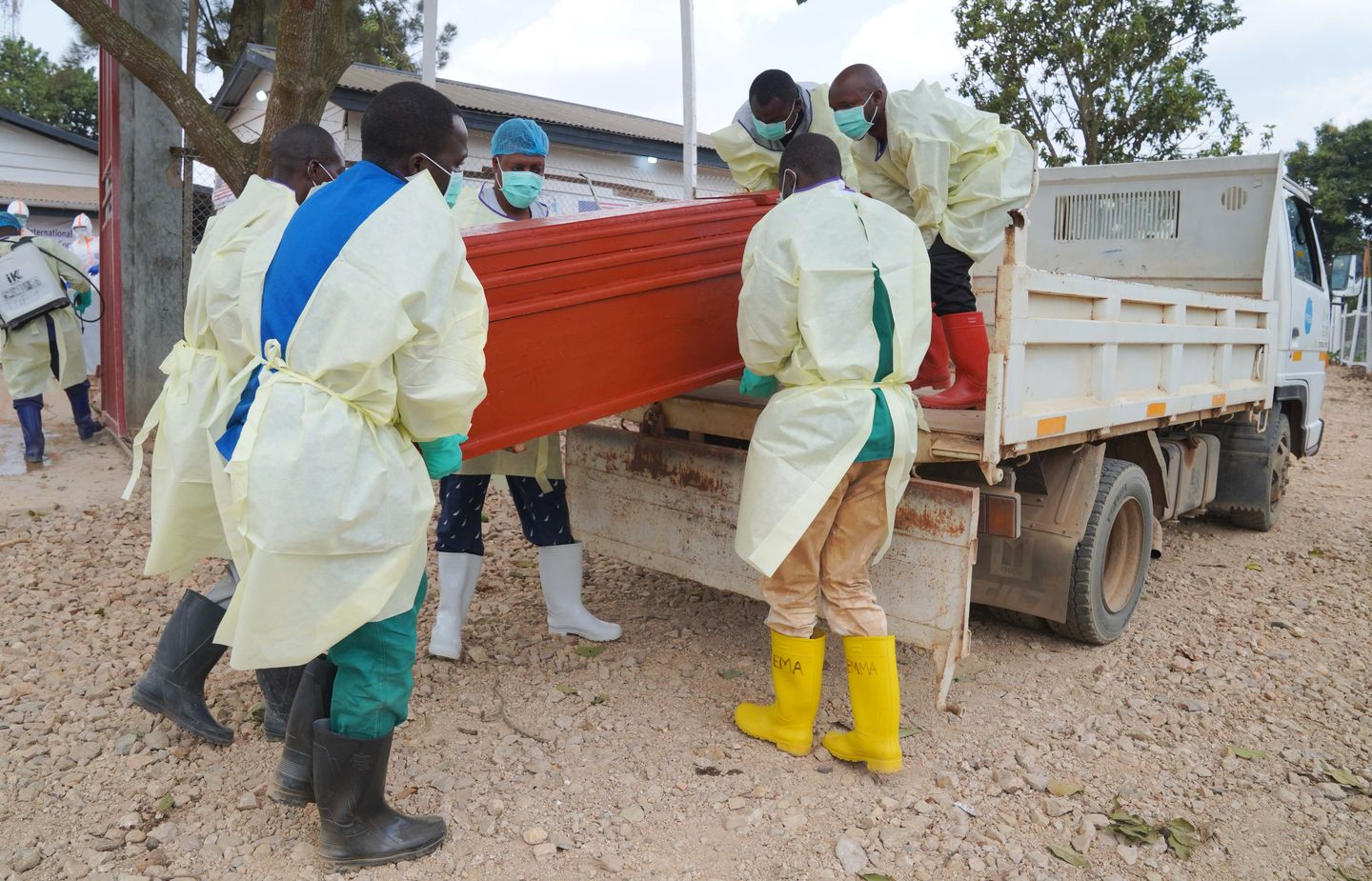
Ebola is spreading across seven provinces in the Democratic Republic of Congo, with health officials warning that the outbreak remains far from under control. While cases are declining in the original epicenter of Ituri, the virus is shifting into new areas including South Ubangi, and North Kivu now accounts for nearly half of all newly confirmed cases MSF. The outbreak has caused more than 7,200 confirmed cases and 3,500 deaths, making it the largest and fastest-spreading Ebola epidemic on record.
Health authorities remain cautious despite some progress. The WHO says transmission is accelerating at an exponential rate in North Kivu, particularly in the city of Butembo, even as three Ituri health zones have gone 41 days without new cases Congolese Health Ministry. The organization estimates that 5,000 additional health workers are urgently needed across the response effort.
Ituri Shows Progress While Other Regions Worsen
Three health zones in Ituri—Adja, Kambala, and Mahagi—have not reported a single new Ebola case in 41 days, signaling that control measures are working in pockets of the outbreak Congolese Health Ministry. Health Minister Samuel Kamba reported that daily infections have fallen from about 120 cases in mid-August to nearly 80 cases more recently. However, the WHO warns that these national figures mask sharply different trends across provinces, with some regions getting worse even as others improve.
North Kivu Becoming an Outbreak Hot Spot
North Kivu province now accounts for nearly half of all newly confirmed Ebola cases, driven by rapid spread in the city of Butembo WHO. The WHO describes transmission in the province as accelerating at an "exponential" rate, meaning cases are doubling faster than in other affected areas. This shift in the outbreak's geographic center represents a major concern for health responders already stretched thin across the larger epidemic.
Health Systems Overwhelmed Across New Outbreak Areas
MSF warns that health facilities in newly affected provinces lack sufficient staff, equipment, and readiness to contain Ebola spread. The WHO estimates that 5,000 additional health workers are needed immediately to bolster the response nationwide, highlighting how severe the staffing shortage has become WHO. Without rapid deployment of trained personnel and resources, transmission in newly affected regions like South Ubangi will likely accelerate unchecked.
Record-Breaking Outbreak Challenges Global Response Capacity
This outbreak is the largest and fastest-spreading Ebola epidemic ever recorded, with more than 7,200 confirmed cases and 3,500 deaths African News. The virus was officially declared in mid-May but may have begun spreading months earlier, allowing transmission to take root across multiple provinces before response teams mobilized. Health authorities say sustained effort, continued funding, and aggressive vaccination campaigns will be critical to preventing further spread into neighboring regions.
Sentiment
Mostly NegativeNEGATIVENEUTRALPOSITIVE
Publishers
16
Articles
30
Reach
46
A
AnonymousAuthor


