Climate Disasters and Aid Cuts
Climate Disasters Increase as Aid Cuts Leave Vulnerable Communities Facing Severe Risks
Anonymous
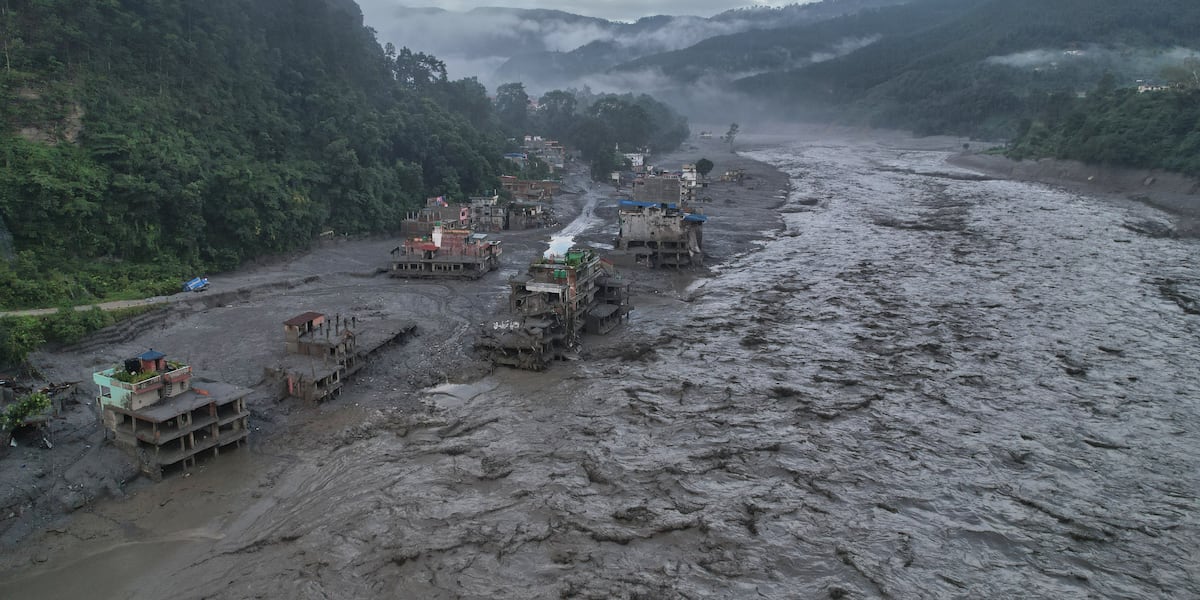
A new study says emissions from major fossil-fuel and cement producers will continue to drive warming for centuries, even if emissions fell sharply, and argues that a stable climate ultimately requires ending fossil-fuel use. The long-term risks are underscored by deadly floods in Nepal, where more than 1,450 people were killed and thousands remain missing. Meanwhile, cuts to international adaptation and disaster-preparedness funding—including the closure of a regional satellite-data program serving Himalayan countries—have weakened tools and support intended to reduce such losses. Climate advocates say the funding shortfall leaves vulnerable communities facing greater danger and costly recovery needs.
Key Points
1
The study examined emissions from 178 major oil, gas, coal and cement producers, which together have emitted more than a trillion tonnes of carbon dioxide; its authors said Earth would remain about 1.5°C warmer than preindustrial levels even if emissions stopped.
2
Researchers said improved climate-attribution methods can clarify how fossil-fuel emissions increase the likelihood of extreme weather, and that such evidence can help hold polluters accountable for climate-related damages.
3
The shuttered SERVIR-Hindu Kush Himalaya program covered Afghanistan, Bangladesh, Myanmar, Nepal and Pakistan, and had provided more than 170 public datasets on glaciers, disasters and vulnerability, as well as flood-risk services and risk-communication work with the Nepal Red Cross Society.
4
Climate advocate Harjeet Singh said the world needs trillions of dollars annually for climate action, but developed countries have not fulfilled their obligation.
Sentiment
Mostly NegativeNEGATIVENEUTRALPOSITIVE
Publishers
5
Articles
80
Reach
85
A
AnonymousAuthor


