UN Regional Security Appeal
Qatar Emir Urges Regional Security Framework and Gaza Ceasefire at UN General Assembly
Anonymous
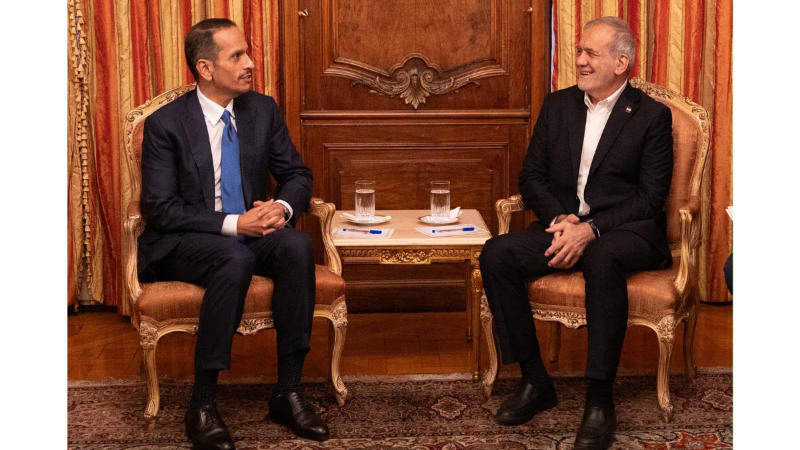
Qatar’s Emir Sheikh Tamim bin Hamad Al Thani told the 81st United Nations General Assembly that the Middle East is facing an exceptionally dangerous period because unresolved conflicts have compounded over time. He called for dialogue, negotiation and solutions grounded in international law, sovereignty and territorial integrity, along with a regional collective-security framework to prevent disputes from escalating into war. Amid recent Gulf tensions, he urged renewed diplomacy, including reopening the Strait of Hormuz and returning to negotiations, while warning that instability threatens energy supplies, maritime navigation and global economic interests. On Gaza, Sheikh Tamim described Israel’s actions as genocide, condemned proposals to displace Palestinians and criticized what he characterized as the international community’s inadequate response. He reaffirmed Qatar’s efforts to mediate, ease civilian suffering and secure the release of detainees, presenting Doha as a continuing platform for diplomacy and conflict resolution.
Key Points
1
Sheikh Tamim warned that the global economy must not be used as a tool of political pressure, saying regional crises can raise the prices of food and medicine and harm people unrelated to the conflicts.
2
In advocating a diplomatic settlement to the Gulf crisis, the Amir said a lasting solution should provide security and stability for the entire region, explicitly including Iran.
3
Qatar said it had strengthened its preparedness and resilience, protected supply chains and continued investing in national capabilities under Qatar National Vision 2030 despite regional instability.
4
Qatar News Agency Director-General Ahmed bin Saeed Al Rumaihi said the speech treated the region’s crises as interconnected rather than isolated incidents, emphasizing that addressing their root causes is necessary for lasting peace.
5
Sheikh Tamim said Israel’s conduct in Gaza was documented in audio and video by Israeli soldiers themselves, arguing that such evidence makes denial of the alleged crimes impossible and unacceptable.
Sentiment
Mostly NegativeNEGATIVENEUTRALPOSITIVE
Publishers
16
Articles
18
Reach
34
A
AnonymousAuthor


