Delhi Metro Sets Record With 8.24 Million Passengers
Delhi Metro Sets Record With 8.24 Million Passengers
Anonymous
Key Points
1
CISF Deputy Inspector General Santosh Chalke said the record reflected the joint efforts of the CISF and DMRC to provide security and smooth passenger movement, calling it a sign of their commitment to improving the commuter experience.
2
The strike involved drivers at several specific depots, including Rani Khera, Rajghat, Nehru Place, Burari, Wazirpur, Ghumanhera and Sarita Vihar, rather than being confined to one location.
3
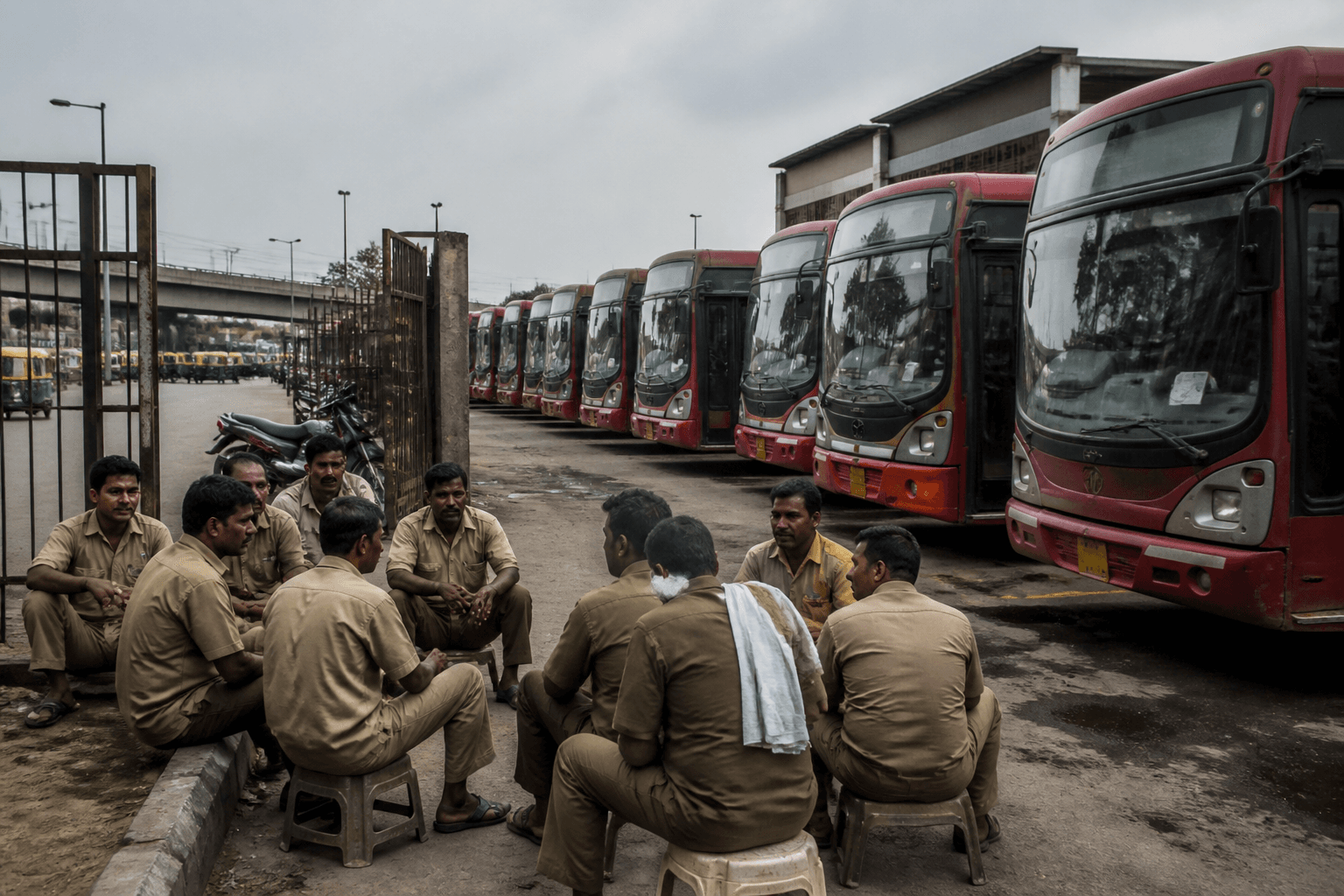
The DTC Karamchari Ekta Union estimated that about 12,000 drivers and conductors participated in the protest. Workers also sought government holidays and annual bonuses in addition to wage increases, medical coverage and social-security benefits.
4
Delhi Transport Minister Pankaj Singh urged the workers to return to duty and said private concessionaires operating electric buses had been instructed to address their concerns; by September 18, most demands had reportedly been accepted, but the salary increase remained unresolved.
5
DMRC said the enhanced service was scheduled to continue on September 17, with eight extra trains planned to operate between 8 a.m. and 8 p.m., according to operational requirements.
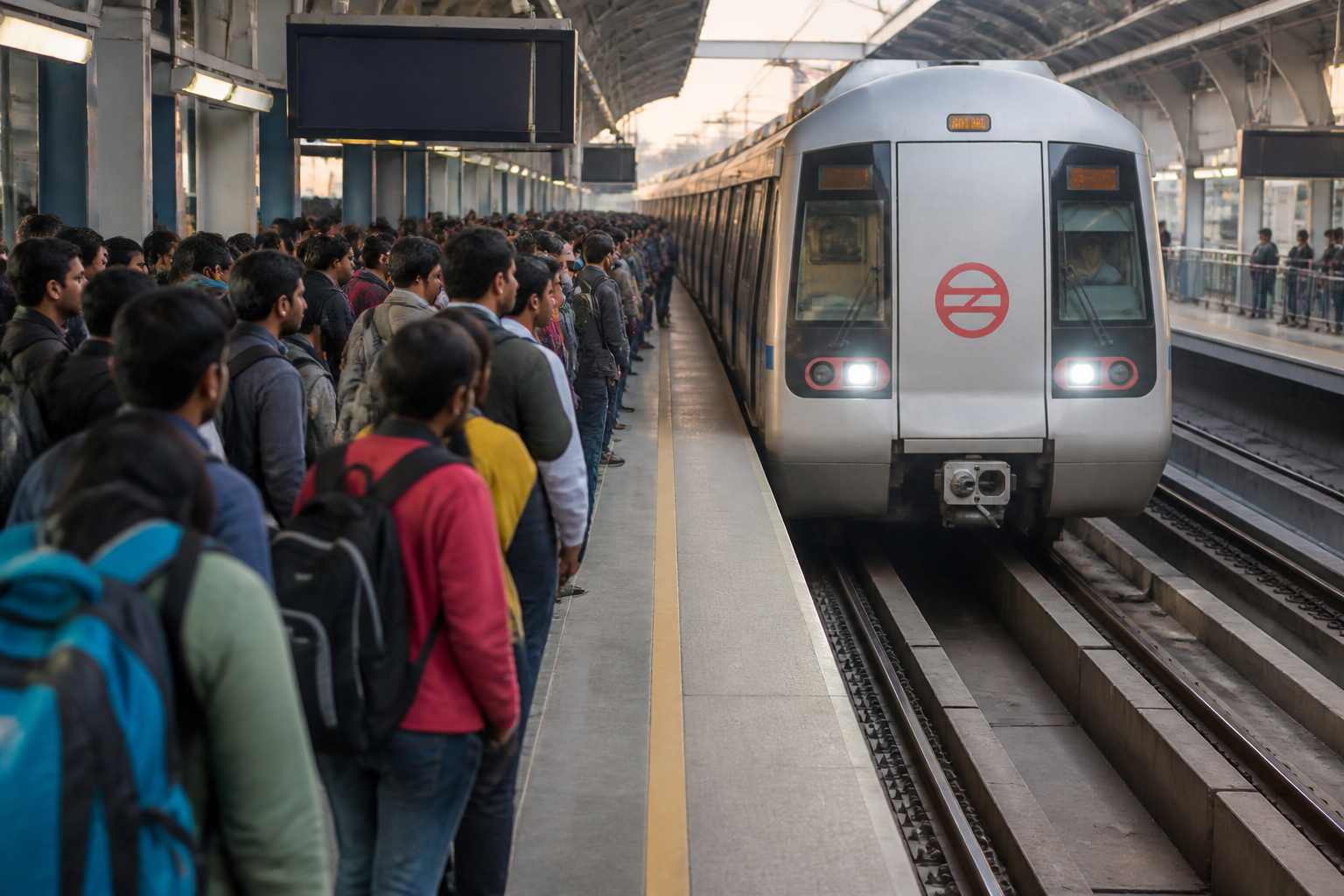
Delhi Metro hit a new record on September 17 with 8.24 million passenger boardings—the highest single day in its 20-year history. The surge came as a strike by Delhi Transport Corporation bus drivers left thousands of buses off the road, forcing commuters to turn to the metro The Hindu.
To handle the crush, Delhi Metro added 20 extra train trips and deployed eight additional trains during peak hours. The previous record of 8.19 million boardings was set in August 2025 during Raksha Bandhan CNBC TV18.
Bus Strike Forces Thousands to Metro
About 12,000 DTC drivers and conductors walked off the job The Hindu. They demanded higher wages, medical coverage, social-security benefits, government holidays, and annual bonuses. The strike hit multiple depots including Rani Khera, Rajghat, Nehru Place, Burari, Wazirpur, Ghumanhera, and Sarita Vihar indiasnews.net.
Delhi Transport Minister Pankaj Singh urged workers to return. He said private electric bus operators were told to address worker concerns. By September 18, most demands had been accepted, but the wage increase remained unresolved The Hindu.
Metro Ramped Up Service to Keep City Moving
The Delhi Metro Rail Corporation (DMRC) quickly responded to the surge. Eight extra trains ran between 8 a.m. and 8 p.m. to absorb the overflow. The agency also added 20 total train trips across its network CNBC TV18.
The record-breaking day exceeded the previous August peak by 57,229 boardings. That earlier record stood for just over a year before September 17 shattered it indiasnews.net.
Security Teams Praised for Smooth Operations
CISF Deputy Inspector General Santosh Chalke credited joint efforts by security forces and DMRC staff for managing the massive crowd safely. He called the smooth operations a sign of commitment to improving commuter experience The Hindu.
No major incidents were reported despite the record passenger load. The metro's ability to absorb 8.24 million daily trips showcased its growing importance as Delhi's backbone transport network Urban Acres.
Sentiment
Mostly NegativeNEGATIVENEUTRALPOSITIVE
Publishers
17
Articles
17
Reach
34
A
AnonymousAuthor