Dozens of Migrants Diverted to Dover
Dozens of Migrants Diverted to Dover
Anonymous
Key Points
1
The French coastguard said about 60 migrants spent more than 33 hours at sea in “precarious conditions” and refused assistance because they were determined to reach the United Kingdom.
2
The 12-metre boat was described as being “in a very bad way” and “very low in the water,” with only one small outboard motor. French authorities monitored it using four lifeboats, the tugboat Abeille Liberté, a French Navy search-and-rescue helicopter and shoreline gendarmes.
3
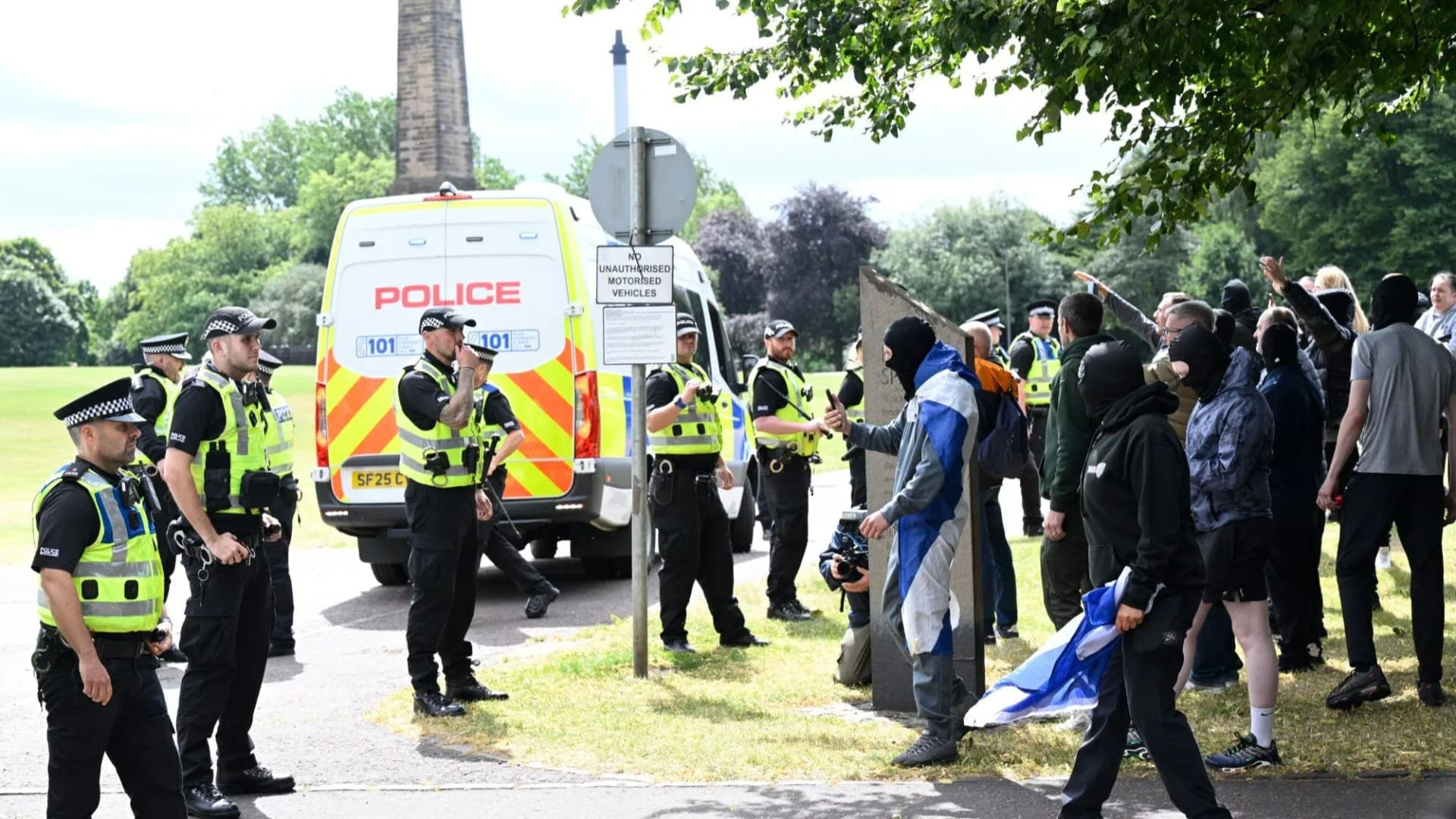
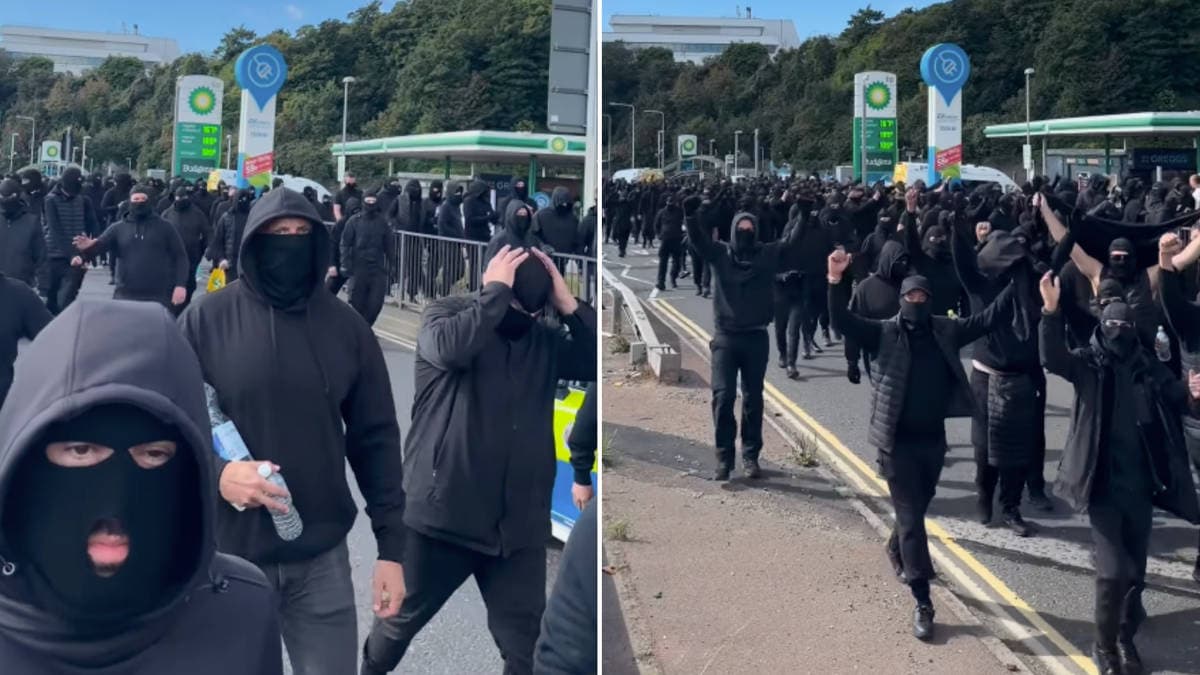
The crossing followed an earlier Portsmouth arrival on September 6, when about 120 migrants prompted a protest of more than 200 people; demonstrators reportedly tried to stop coaches carrying the migrants from leaving the harbour, leading police to use dispersal powers.
4
Gosport MP Dame Caroline Dinenage said she had spent the day urging the Home Office not to disembark the migrants locally and called the decision to send them to Dover “a good result.”
5
Hampshire police said officers had been deployed not only in Gosport but also Portsmouth to support partner agencies, facilitate peaceful protest and protect the public, while officers remained in both areas as people dispersed.
British authorities diverted a migrant boat to Dover instead of Gosport after more than 30 hours at sea in the English Channel. About 60 migrants refused French rescue assistance because they were determined to reach the UK, according to French authorities. The 12-meter boat arrived in "very bad way" with only one small outboard motor and was riding dangerously low in the water.
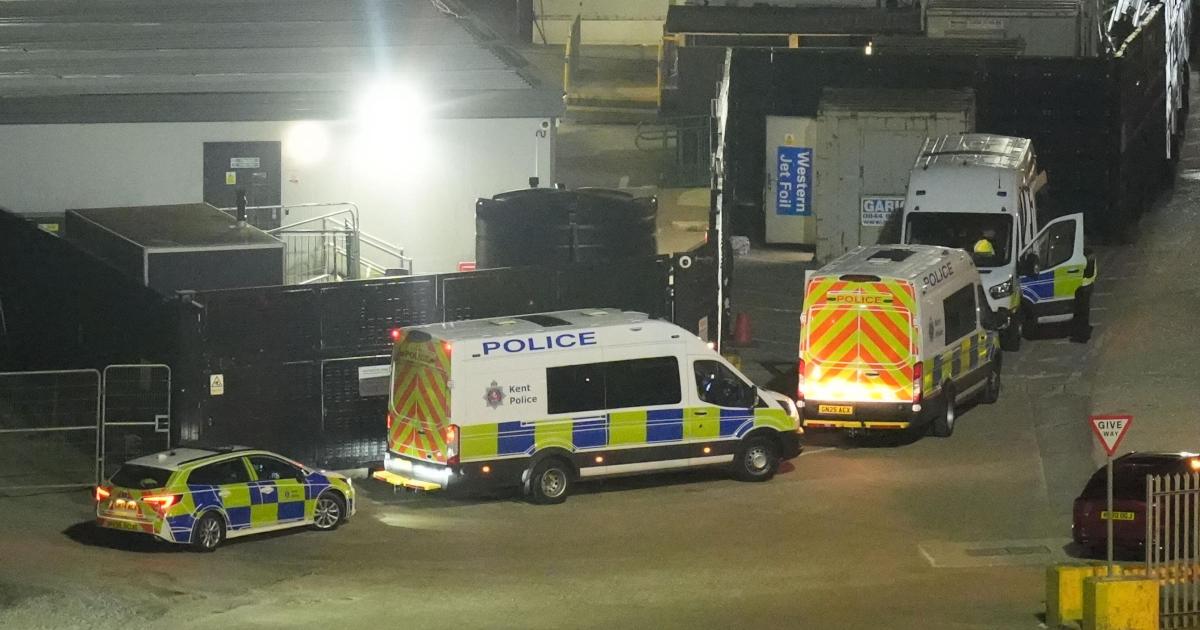
The diversion prevented a potential repeat of disorder seen days earlier in Portsmouth. Hundreds of anti-migrant protesters gathered in Gosport anyway, prompting a large police response. Hampshire Police deployed officers across the region to maintain public safety and facilitate peaceful protest.
A Dangerous Crossing Refused French Help
The migrants spent 33 hours in precarious conditions aboard a severely overcrowded boat. French coastguard monitored the vessel using four lifeboats, the tugboat Abeille Liberté, a Navy helicopter, and shoreline gendarmes. Despite repeated offers of assistance, the migrants refused help because they were determined to reach British shores instead.
Gosport Braced for Disorder But Boat Never Arrived
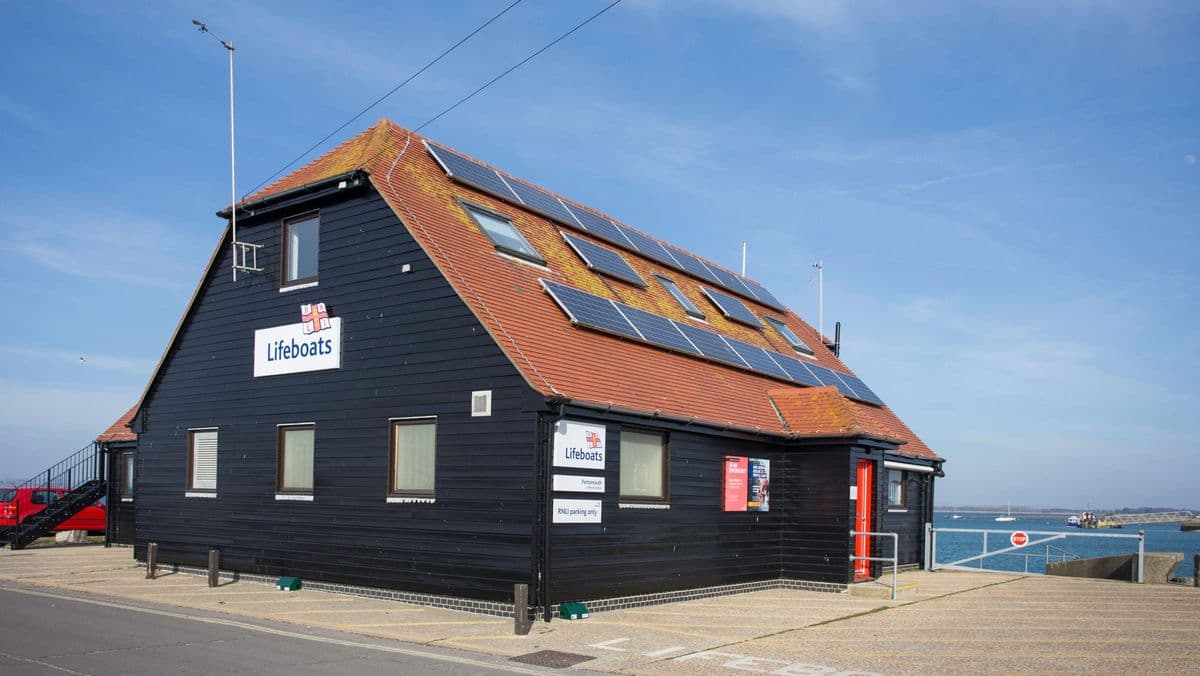
Gosport police prepared for potential chaos before learning the boat would be diverted. Officers closed roads and stationed personnel near Haslar Marina in anticipation of the arrival. They quickly stood down once authorities confirmed the boat and its passengers had left the area, preventing any confrontation.
The precautionary response reflected fears based on recent events. In early September, about 120 migrants arrived in Portsmouth, triggering a protest of over 200 people. Demonstrators reportedly tried to block coaches carrying the migrants from leaving the harbor, forcing police to use dispersal powers.
Local Politicians Win Decision to Redirect Migrants Away
Gosport MP Dame Caroline Dinenage spent the day urging the Home Office not to process the migrants locally. She cited concerns that Gosport lacks the infrastructure and transport capacity to handle such operations. The decision to send the migrants to Dover instead was "a good result," she said.
Hundreds of anti-migrant protesters still gathered in Gosport despite the boat's redirection. Hampshire Police maintained a significant presence across Gosport and Portsmouth to support partner agencies and protect the public as crowds dispersed.
Far-Right Activism Fuels Protest Tensions
The gathering was amplified by far-right campaigner Daniel Thomas, also known as Danny Tommo, who filmed himself attempting to intercept the dinghy. His social media activity helped mobilize protesters to the harbor. Police arrested six people during the demonstrations, though the boat never actually arrived in Gosport.
Sentiment
Mostly NegativeNEGATIVENEUTRALPOSITIVE
Publishers
23
Articles
42
Reach
65
A
AnonymousAuthor