Global Trade Fragmentation Risks
WTO warns that fragmented global trade could significantly reduce worldwide economic output.
Anonymous
Key Points
1
Only about 72% of global merchandise trade currently takes place under the WTO’s most-favoured-nation terms, down from 80% two years earlier, indicating that the rules-based system is already under strain.
2
The WTO says its system has delivered broader benefits beyond trade: cooperation helped support economic growth, narrow income gaps between developing and advanced economies, and contribute to peace among members.
3
The report estimates that least-developed countries’ exports would fall 33.2% by 2050 in a geopolitically fragmented trading system, compared with declines of 13.1% for middle-income economies and 22.4% for high-income economies.
4
WTO Chief Economist Robert Staiger said the organization is governing an economy that is now “far more integrated, digital, multipolar, and complex” than the one its rules were originally designed to regulate.
5
The warning comes amid major-power trade disputes, including the US-China tariff confrontation, in which the two countries imposed retaliatory duties on goods worth hundreds of billions of dollars, sending broader shock waves through the global economy.
The World Trade Organization warned that trade fragmentation could slash global GDP by up to 10% by 2050 if countries fail to modernize the multilateral system. WTO said geopolitical tensions, tariffs, and competing trade blocs are creating the most serious disruption to global commerce in 80 years. Meanwhile, stronger cooperation on digital trade and expanded market access could boost global GDP by 2.9% and exports by 18% compared with current trends.
Least-developed countries face the steepest losses from fragmentation, with GDP potentially falling 10.6% in a geopolitically divided system and 16.5% in a fractured free-trade scenario. NDTV Profit reported that WTO Chief Economist Robert Staiger said the organization is governing an economy that is now far more integrated, digital, and complex than the rules it originally designed to regulate.
Rules-Based Trade System Already Unraveling
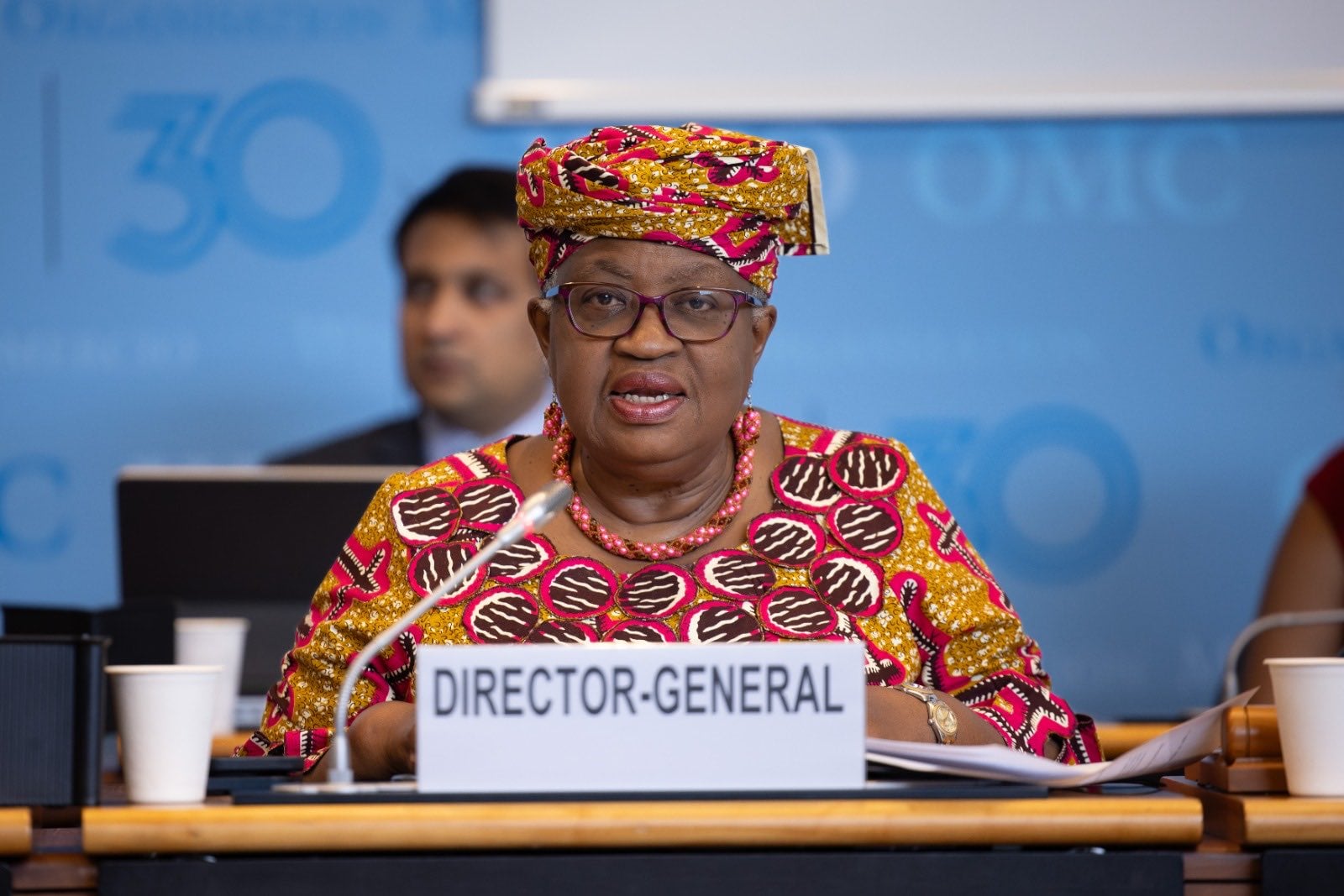
Only 72% of global merchandise trade now occurs under WTO most-favoured-nation rules, down from 80% just two years ago, according to WTO data. This decline signals that the international trading system is already fragmenting as countries pursue bilateral deals and regional blocs instead. Capital FM noted that WTO Director-General Ngozi Okonkjo-Iweala said members recognize the status quo is untenable and are working to renew the system.
Developing Countries Face Worst Trade Collapse
A fragmented trading system would devastate export-dependent nations. Minute Hack reported that least-developed countries' exports would plummet 33.2% by 2050 in a geopolitically split system. For comparison, middle-income economies would see exports fall 13.1% and high-income economies 22.4%. These poor countries rely heavily on global supply chains and investment, making them uniquely vulnerable to trade barriers.
US-China Tariff War Signals Broader Breakdown
The WTO warning arrives amid escalating major-power disputes. The US and China have imposed retaliatory duties on goods worth hundreds of billions of dollars, sending shockwaves across global supply chains. These tariff confrontations underscore how geopolitical tensions are eroding the rules-based trading order that has supported economic growth and helped narrow income gaps between rich and poor nations for decades.
Modernized Rules Could Deliver Massive Gains
If countries strengthen multilateral cooperation instead, the payoff is substantial. Qazi Form reported that updated rules for digital trade, services, and expanded market access could raise global GDP by 2.9% compared with current trends. Exports would surge approximately 18%. The WTO says cooperation has historically delivered broader benefits beyond trade, helping support growth and contribute to peace among member nations.
Sentiment
Mostly NegativeNEGATIVENEUTRALPOSITIVE
Publishers
14
Articles
6
Reach
20
A
AnonymousAuthor


