New SME Growth Fund
Union Cabinet Approves ₹10,000 Crore Growth Fund for Small and Medium Enterprises
Anonymous
Key Points
1
The government’s ₹10,000-crore commitment will go to an Alternative Investment Fund established under the SME Growth Fund framework, which is intended to provide patient growth equity to viable, scalable businesses.
2
The Budget also proposed adding ₹2,000 crore to the Self-Reliant India Fund, established in 2021, to continue providing micro-enterprises access to risk capital.
3
The ITLA is planned as a non-profit special-purpose vehicle under the Companies Act, owned by the Union government and administratively controlled by the Cabinet Secretariat; it is tentatively named the Gati-Shakti Transport and Logistics Planning and Research Authority.
4
Budget liquidity proposals include using TReDS as the settlement platform for purchases from MSMEs by central public-sector enterprises, providing credit-guarantee support for invoice discounting on the platform, and linking GeM with TReDS to share government-purchase information with financiers.
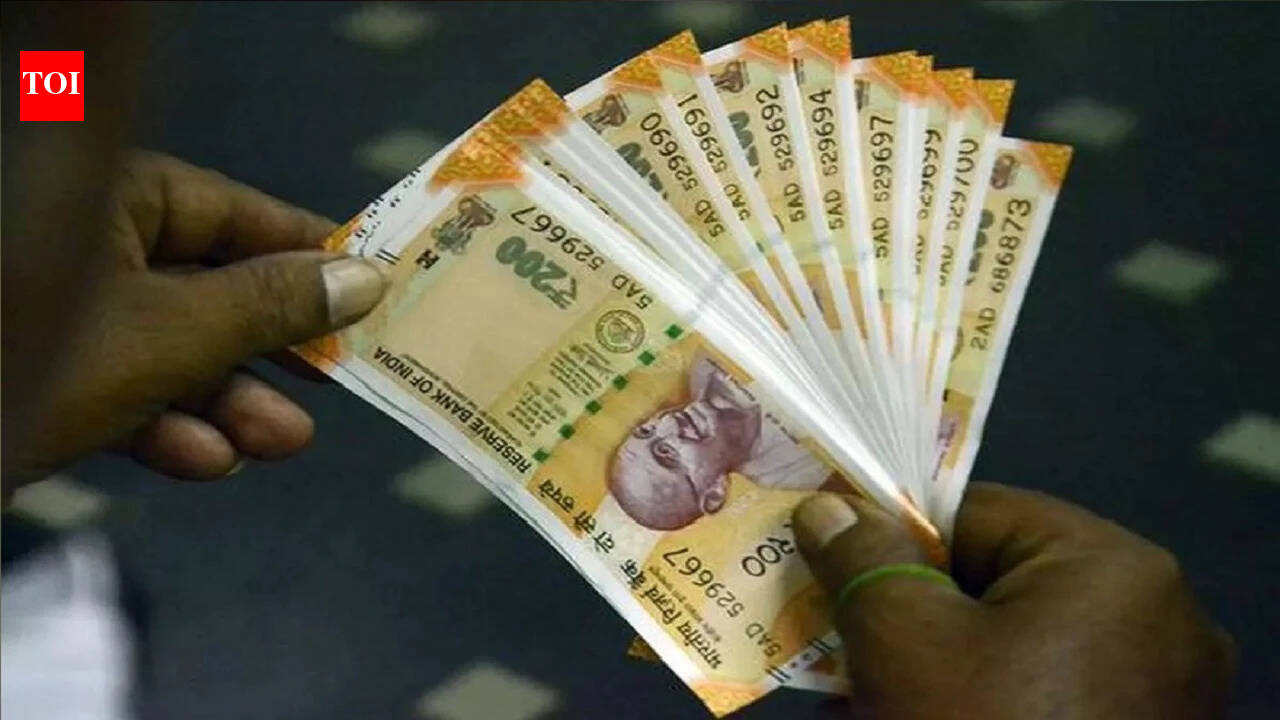
India's Union Cabinet approved a ₹10,000-crore SME Growth Fund to inject direct equity into small and medium enterprises, according to Economic Times. The fund targets manufacturing firms and businesses in smaller-city industrial clusters that struggle to access growth-stage capital. Finance Minister Nirmala Sitharaman announced the initiative in the 2026-27 Budget as part of a three-pronged MSME support strategy.
The Cabinet also green-lit an Integrated Transport and Logistics Authority to coordinate planning across transport sectors, Moneycontrol reported. The authority will reduce infrastructure-planning fragmentation and establish a National Transport Data Repository. Together, these moves aim to help SMEs expand capacity, adopt technology, and enter global markets.
How the ₹10,000-Crore Fund Will Work
The government will deploy capital through an Alternative Investment Fund operating under the SME Growth Fund framework, Economic Times explained. This vehicle provides patient growth equity to viable, scalable businesses—meaning investors accept longer holding periods in exchange for higher returns. The focus is manufacturing and smaller-city industrial clusters where growth-ready firms lack access to traditional financing.
The Cabinet also boosted the Self-Reliant India Fund, established in 2021, by ₹2,000 crore to continue providing micro-enterprises risk capital. This complementary initiative targets India's smallest businesses, which face even steeper barriers to growth financing. Combined, both funds form the backbone of the government's equity-led MSME expansion strategy.
New Logistics Authority to Streamline Transport Planning
The Integrated Transport and Logistics Authority (ITLA)—formally named the Gati-Shakti Transport and Logistics Planning and Research Authority—will operate as a non-profit special-purpose vehicle owned by the Union government, Moneycontrol reported. Administrative control rests with the Cabinet Secretariat. The authority consolidates fragmented planning across rail, road, air, and maritime sectors.
ITLA will conduct research, appraise projects, and monitor infrastructure development across transport modes. It will establish a National Transport Data Repository to share information across agencies. This coordination eliminates silos that previously slowed project approval and duplicate planning efforts.
Liquidity Boosts Through Digital Platforms
The Budget also proposed using TReDS—a trade receivables discount system—as the settlement platform for central government purchases from MSMEs. Central public-sector enterprises will now buy from SMEs through this digital marketplace, creating transparent payment records and faster liquidity.
The government will provide credit-guarantee support for invoice discounting on TReDS and link GeM (Government e-Marketplace) with TReDS to share government-purchase data with financiers. These measures compress payment delays and reduce working-capital stress for small firms. Combined, they unlock immediate cash flow while building credit histories.
Sentiment
Mostly PositiveNEGATIVENEUTRALPOSITIVE
Publishers
22
Articles
23
Reach
45
Topics
A
AnonymousAuthor


