White House Summit
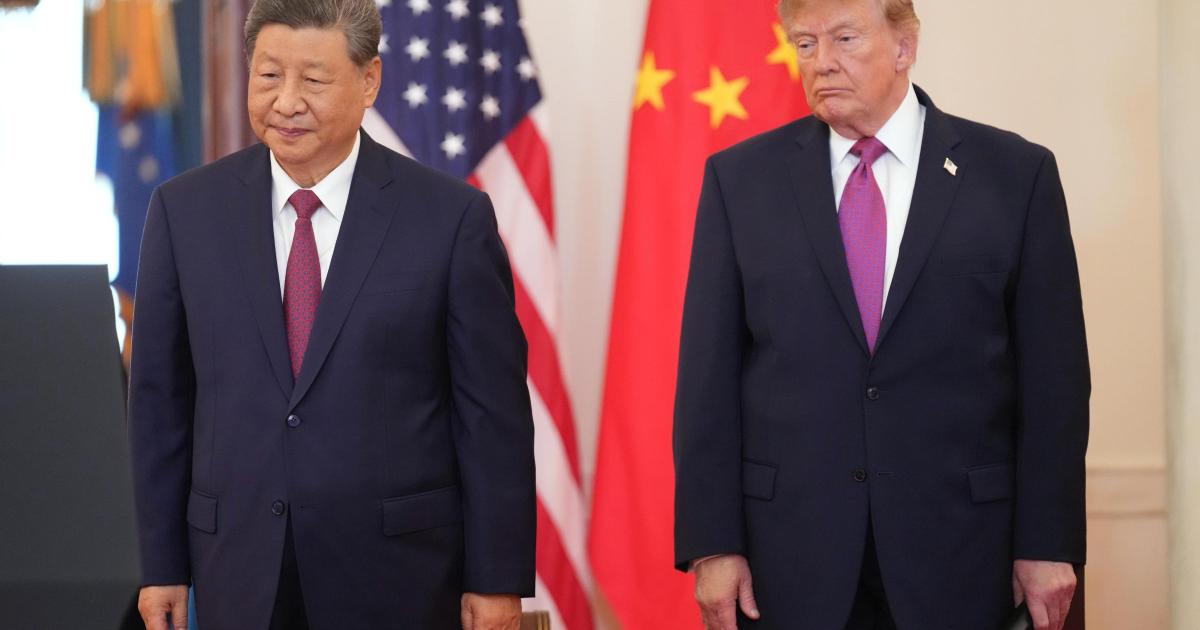
Trump and Xi Meet at White House Amid Rising Geopolitical Tensions
Anonymous
Key Points
1
U.S. defense expert Jonathan Schanzer alleged Chinese support for Iran went beyond drone components and economic ties, including dual-use chemicals that could aid Iran’s missile program and possible assistance with targeting. These were allegations Schanzer urged Trump to raise with Xi.
2
The summit’s ceremonial program included a flyover by U.S. warplanes, including B-2 bombers that had struck Iran’s nuclear facilities in 2025, and F-22 fighters. Xi was also due to attend a state dinner with business leaders including Elon Musk, Apple CEO Tim Cook and Nvidia CEO Jensen Huang.
3
Trump personally greeted Xi at Joint Base Andrews—the first time a U.S. president had greeted a world leader there since John F. Kennedy welcomed British Prime Minister Harold Macmillan in 1962.
4
Vice President JD Vance defended the administration’s decision to disable the outlets’ press badges as withdrawing “special access,” rather than banning them from reporting. The administration cited reporting incidents it said raised national-security concerns.
President Donald Trump welcomed Chinese leader Xi Jinping to the White House for a high-stakes summit aimed at managing tensions over Taiwan, trade, and artificial intelligence The National. Treasury Secretary Scott Bessent announced negotiators had extended a trade truce through January 10, while Trump and Xi prepared to launch a joint AI dialogue focused on security risks The National.
The summit came as Beijing warned Washington against crossing four "red lines"—Taiwan, democracy and human rights, China's political system, and development interests The National. Trump, who greeted Xi at Joint Base Andrews in a ceremony mirroring President Kennedy's 1962 welcome of British Prime Minister Harold Macmillan, faced pressure from advisors to confront China over alleged support for Iran The National.
Trump Praises 'Great Friendship' at Opening Remarks
Trump opened the state visit by hailing his long friendship with Xi and emphasizing mutual respect between the two nations Maldon and Burnham Standard. The two leaders gathered for formal opening remarks before beginning substantive negotiations on trade, security, and technology Maldon and Burnham Standard.
The personal greeting at Joint Base Andrews marked the first time a U.S. president had welcomed a world leader at the military base since Kennedy's 1962 meeting with Macmillan. The ceremonial show of respect signaled Trump's intent to reset U.S.-China relations despite deep policy disagreements The National.
State Dinner Brings Tech and Business Elite Together
Xi was scheduled to attend a state dinner with major U.S. business leaders, including Elon Musk, Apple CEO Tim Cook, and Nvidia CEO Jensen Huang Maldon and Burnham Standard. The gathering reflected Trump's effort to balance confrontation with engagement on economic and technology fronts Maldon and Burnham Standard.
The dinner followed a ceremonial flyover featuring U.S. warplanes, including B-2 bombers that struck Iran's nuclear sites in 2025 and F-22 fighters. The military display underscored U.S. power while Xi visited American soil The National.
Pressure Mounts Over China's Iran Ties and Alleged Support
Defense expert Jonathan Schanzer urged Trump to press Xi on Chinese assistance to Iran beyond published reports. Schanzer alleged Beijing supplied dual-use chemicals that could aid Iran's missile program and possibly helped with weapons targeting The National. These claims underscored U.S. concerns that Chinese support sustained Tehran's military and economy The National.
The issue tested the summit's fragile balance. While Trump sought cooperation on trade and AI, intelligence assessments suggested China's Iran partnership directly threatened U.S. interests in the Middle East and beyond The National.
AI Dialogue Set to Navigate Competing Security Interests
Trump and Xi planned to announce a new bilateral AI dialogue aimed at managing security risks from artificial intelligence The National. The move acknowledged both nations' mutual interest in governing AI development while avoiding escalation in tech competition The National.
The dialogue represented a rare area of potential cooperation. Both Washington and Beijing saw unchecked AI advancement as a mutual threat, even as they competed fiercely over AI dominance in the commercial and military sectors The National.
Sentiment
Mostly NegativeNEGATIVENEUTRALPOSITIVE
Publishers
37
Articles
70
Reach
107
A
AnonymousAuthor


