New Weapon Test
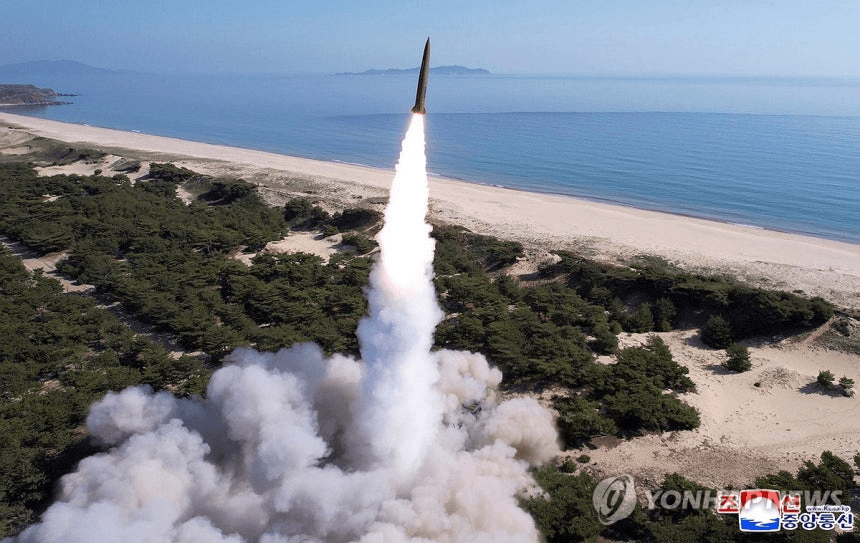
North Korea successfully tests a new weapon system under the supervision of Kim Jong Un.
Anonymous
Key Points
1
South Korea’s Joint Chiefs of Staff said the two short-range ballistic missiles were launched from the Wonsan area toward the East Sea.
2
Kim Jong Un warned that the technological advances would give North Korea’s adversaries “an incurable headache and a very cruel and unavoidable blow.”
3
North Korea has legally enshrined its status as a nuclear-armed state, while its leadership has repeatedly described the country’s nuclear arsenal as permanent and irreversible.
4
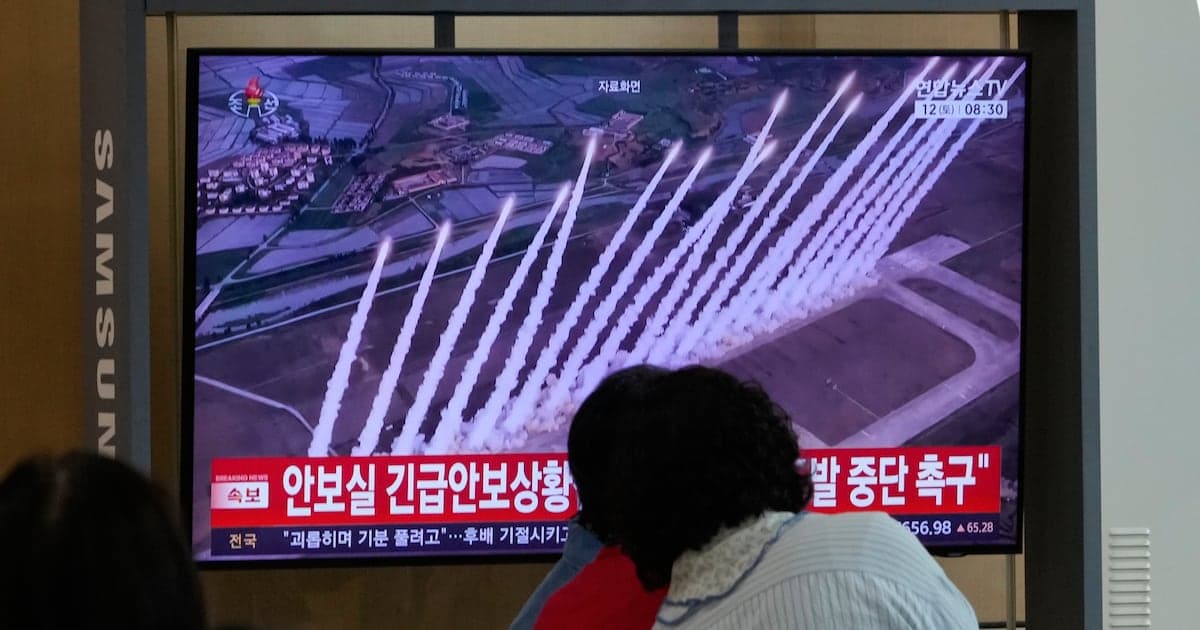
The latest test followed an earlier North Korean firepower exercise involving long-range artillery and missiles; state media said those weapons struck their targets with “100 percent accuracy.”
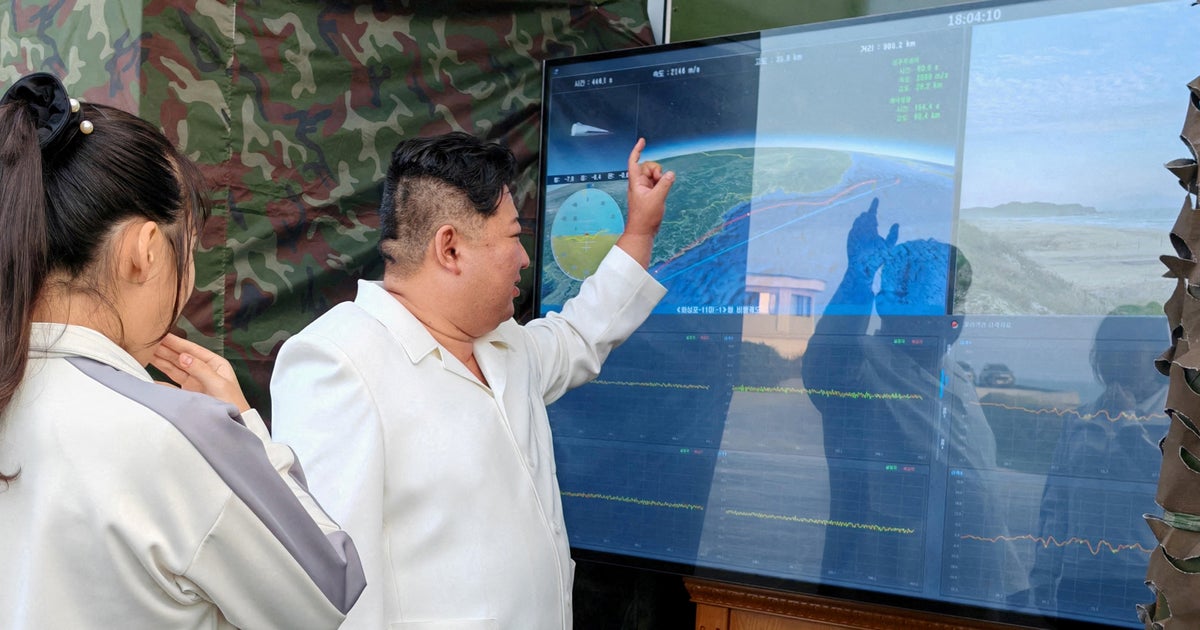
North Korea tested a new hypersonic missile system on September 20, with leader Kim Jong Un calling it an 'incurable headache' for his adversaries. CBS News reports the two short-range ballistic missiles were launched from the Wonsan area toward the East Sea, with one traveling over 600 kilometers. Kim supervised the test alongside his daughter and declared the weapon would strengthen the country's war readiness and give North Korea an 'unavoidable blow' against enemies.
South Korea and Japan quickly condemned the launches as violations of UN Security Council resolutions. Military.com reports state media described the weapon as an upgraded hypersonic system designed to evade missile defenses. The test marks North Korea's 14th ballistic missile launch event of 2026 and underscores Pyongyang's refusal to negotiate away its nuclear arsenal.
New Hypersonic Weapon Paired With Advanced Glide Vehicle
North Korea withheld formal technical details but state television graphics revealed the missile designation as 'Hwasongpho-11Ma-1.' SE Daily reports the weapon combines a KN-23 tactical ballistic missile booster with a newly modified hypersonic glide vehicle. Command center footage showed the warhead executing a low-altitude 'pull-up' maneuver, separating from the booster to glide unpredictably rather than follow a standard path.
The first missile flew approximately 450 kilometers at 60 kilometers altitude. The second traveled over 600 kilometers at 70 kilometers altitude, with state data showing a speed of 2,146 meters per second—roughly 4,800 miles per hour. UPI notes the system was first displayed at Pyongyang's Defence Development-2025 exhibition, indicating months of prior development.
Kim Jong Un Signals Defiance Against Regional Adversaries
Kim Jong Un supervised the test with his daughter, Kim Ju Ae, present in the command center. He called the system an 'unbeatable force' and 'striking demonstration of ultra-modern defense technology.' Inbox EU reports Kim warned that Pyongyang's technological advances will deliver an 'incurable headache and a very cruel and unavoidable blow' to adversaries. The language signals North Korea's confidence in its military capabilities.
South Korea and Japan Reject Weapon as Treaty Violation
South Korea's Joint Chiefs of Staff condemned the launches as direct violations of UN Security Council resolutions. Japan's Defense Ministry lodged a formal protest, calling the missiles a threat to regional peace and security. Military.com reports senior diplomats from South Korea, Japan, and the United States held emergency trilateral consultations to coordinate a response.
The test timing matters strategically. North Korea launched the missiles days before South Korean President Lee Jae-myung addressed the UN General Assembly, where he proposed dropping South Korea's demand that North Korea fully denuclearize. Instead, Lee offered a nuclear freeze in exchange for phased sanctions relief—a dramatic shift in negotiating position that Pyongyang appears designed to influence.
Hypersonic Design Makes Interception Significantly Harder
Analysts say the pairing of high speeds with low-altitude maneuvering makes the missile extremely difficult for South Korean and U.S. air defenses to intercept. CBS News reports experts note that operational hypersonic glide vehicles give North Korea precision strike capability against South Korean civilian and military targets. The weapon reduces reaction time for defensive systems like Patriot or THAAD batteries.
This test underscores a broader reality: North Korea has constitutionally enshrined itself as an irreversible nuclear-armed state. Military.com notes the continued weapons development signals Pyongyang's refusal to negotiate away its arsenal, complicating efforts to revive diplomacy. The missile program reflects North Korea's strategy of building leverage before any serious international negotiations.
Sentiment
Mostly NegativeNEGATIVENEUTRALPOSITIVE
Publishers
37
Articles
77
Reach
114
Topics
A
AnonymousAuthor