North Korean Missile Test
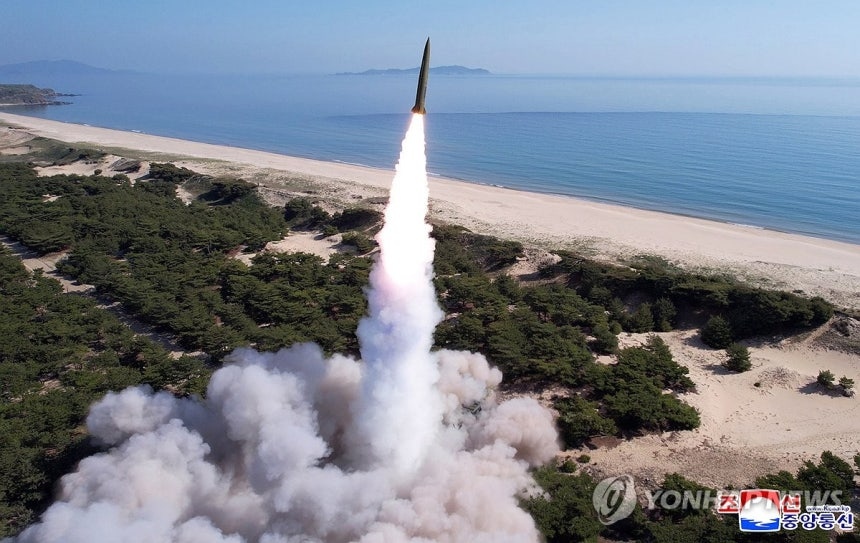
North Korea fires suspected ballistic missile toward the East Sea amid rising regional tensions.
Anonymous
Key Points
1
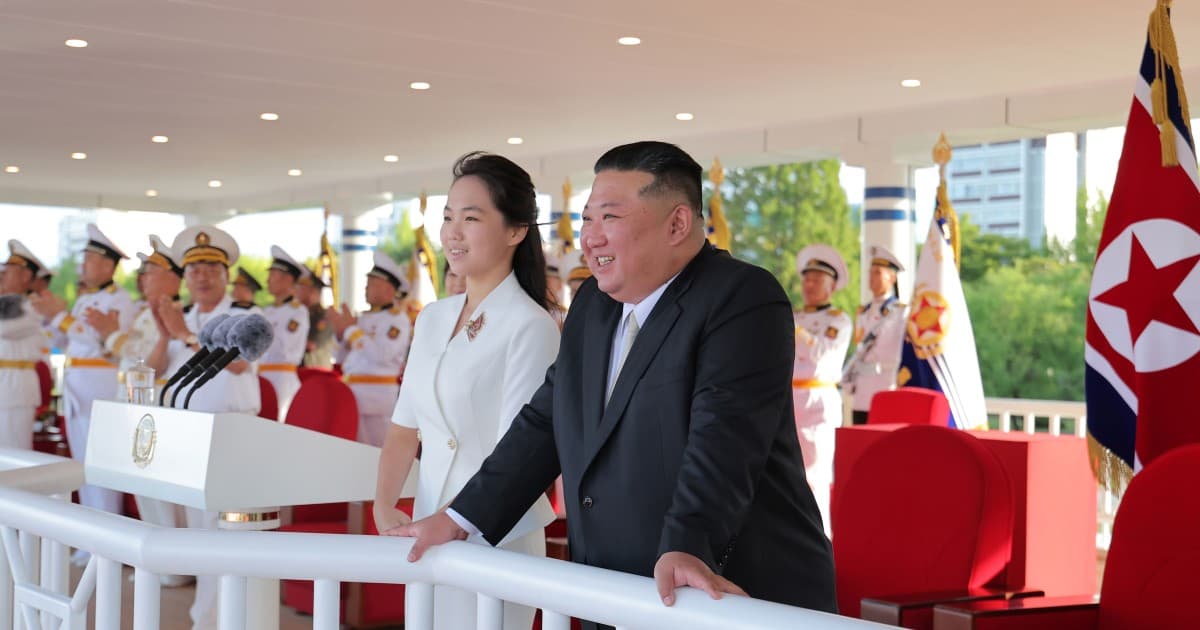
Kim Yo Jong, the influential sister of leader Kim Jong Un, blamed U.S.-led military drills for “ever-worsening” tensions on the Korean Peninsula and said Pyongyang would not change course in strengthening its nuclear arsenal.
2
The U.S.-led naval exercise criticized by Pyongyang ran from Aug. 29 to Sept. 10 near Guam and involved South Korea and Japan.
3
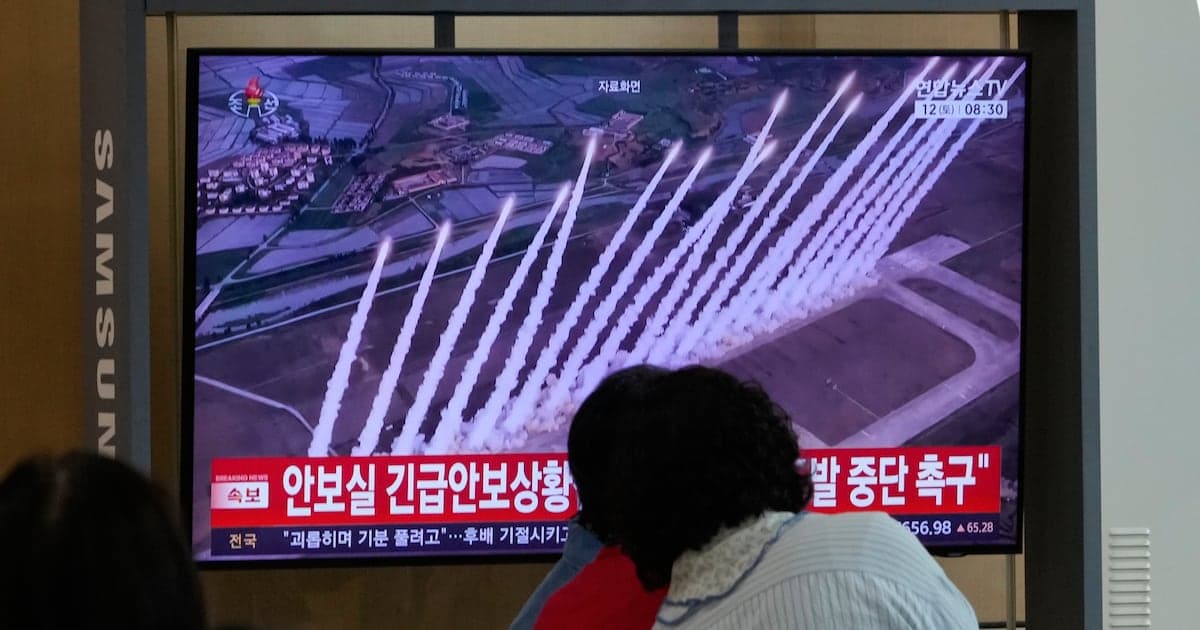
The launch came about a week after North Korea fired multiple short-range ballistic missiles from the Wonsan area toward the East Sea on Sept. 12, which South Korea viewed as a protest against a trilateral Seoul-Washington-Tokyo exercise.
4
South Korea said North Korea had carried out missile launches on 13 occasions before Sunday’s event; the Sept. 12 missiles reportedly flew about 250 kilometers.
5
Analysts cited by AInvest said North Korea’s rapid-fire missile testing may be intended to assess its ability to overwhelm regional missile-defense systems and project military strength; the report also said South Korean officials were warning that Pyongyang could soon conduct a nuclear test.
North Korea fired at least one ballistic missile toward the East Sea on Sunday, according to South Korean and Japanese officials. The projectile fell outside Japan's exclusive economic zone, and details on its range remain unclear. The launch marks the latest in a series of weapons tests that have escalated tensions on the Korean Peninsula.
Kim Yo Jong, the influential sister of leader Kim Jong Un, blamed U.S.-led military drills for worsening regional tensions. She vowed that North Korea would not change course in strengthening its nuclear arsenal. The launch came just days after joint exercises involving the United States, South Korea, and Japan ended on September 10.
A Pattern of Rapid-Fire Missile Tests
North Korea has conducted 13 missile launches before Sunday's event, according to South Korean sources. The previous launch on September 12 involved multiple short-range ballistic missiles fired from the Wonsan area. Those missiles flew approximately 250 kilometers and were seen as a protest against trilateral military exercises.
Analysts cited by AInvest suggest North Korea's rapid testing may aim to overwhelm regional missile-defense systems. The weapons displays also project military strength to regional adversaries. Some South Korean officials warn that Pyongyang could soon conduct a nuclear test.
Trilateral Drills Trigger Pyongyang's Anger
The U.S.-led naval exercise ran from August 29 to September 10 near Guam and involved South Korea and Japan. North Korea has consistently condemned these joint drills as provocations. Kim Yo Jong stated that the exercises demonstrate the need for Pyongyang to strengthen its nuclear weapons program.
The timing of Sunday's launch directly follows the trilateral exercise conclusion. Japanese officials assessed the projectile as a ballistic missile, though they did not immediately release trajectory or range data. The escalating cycle of drills and North Korean tests shows no signs of slowing down.
Nuclear Watchdog Criticism Rejected by Pyongyang
North Korea has rejected criticism from the U.N. nuclear watchdog, the International Atomic Energy Agency. Pyongyang views inspections and international pressure as interference in its sovereignty. The country has doubled down on its commitment to nuclear arsenal expansion despite global concerns.
Experts warn that continued nuclear development poses significant risks to regional stability. The combination of rapid missile tests and vows to expand the nuclear arsenal suggests North Korea will not yield to international pressure. The cycle of provocation and military drills appears likely to continue.
Sentiment
Mostly NegativeNEGATIVENEUTRALPOSITIVE
Publishers
104
Articles
540
Reach
644
A
AnonymousAuthor