Record Holiday Fuel Costs
US Gas Prices Exceed Four Dollars for First Time on Labor Day
Anonymous
Key Points
1
Treasury Secretary Scott Bessent had predicted earlier in the spring that gasoline could fall to $3 per gallon between June 20 and Sept. 20, a target the market has clearly missed as September approaches.
2
Gas prices vary sharply across neighboring states: Illinois averaged about $4.30 per gallon, compared with $3.82 in Missouri, $4.05 in Michigan and $3.69 in Texas.
3
The current national gasoline average is about 92 cents higher than last Labor Day, when the holiday average was the lowest since 2020; the previous Labor Day record was $3.82, set in 2012.
4
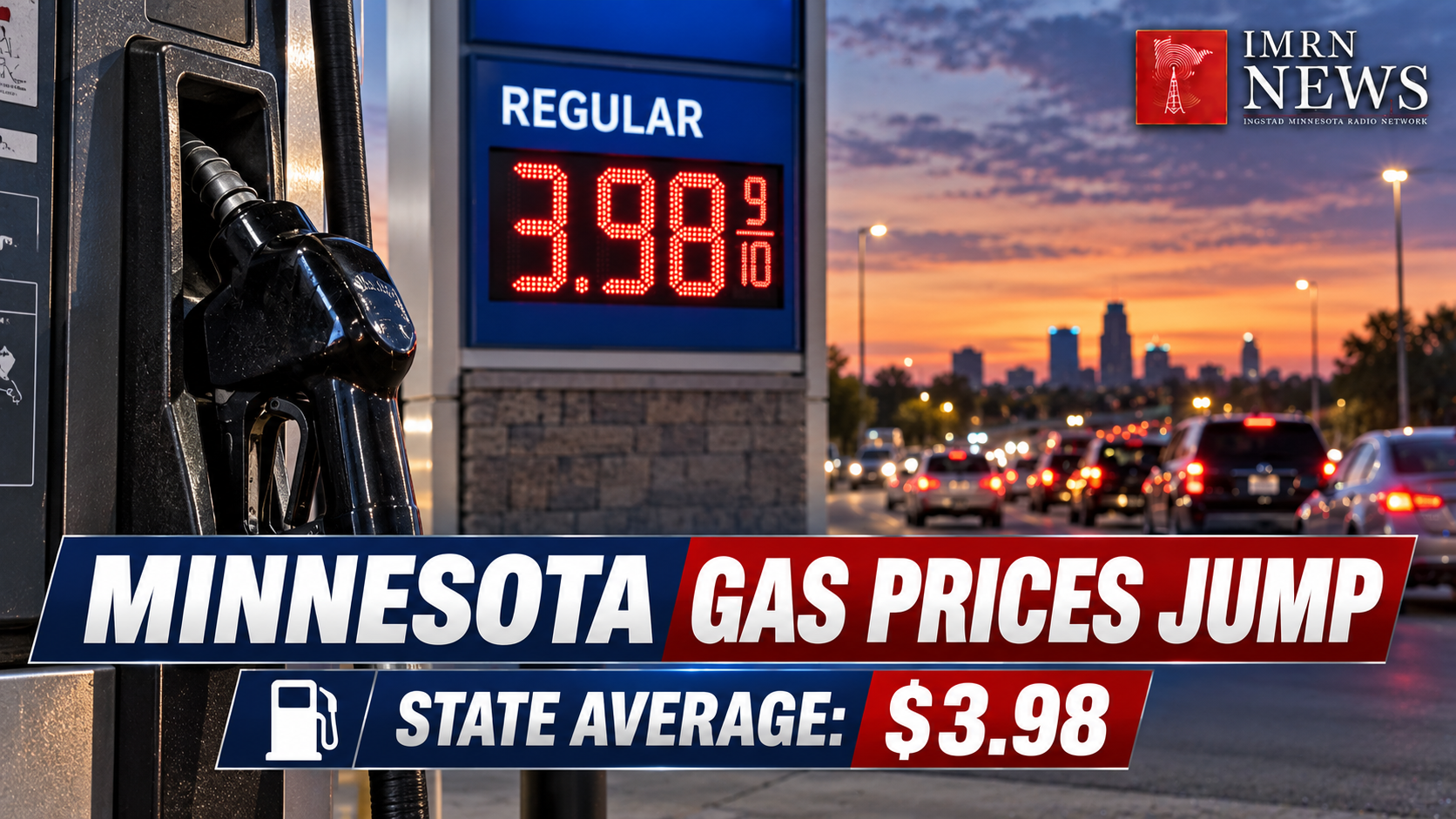
Minnesota’s regular-gas average has risen from $3.12 to $3.98 per gallon in a year, while diesel has jumped from $3.64 to $5.73—a roughly 58% increase and a new state record.
5
Hawaii’s island-level prices are even higher than its statewide average: Lihue reached $5.74 per gallon, Hilo averaged $5.52 and Honolulu $5.34; Maui’s Kahului price was $5.44, up $1 from a year earlier.
U.S. gas prices have hit $4.14 to $4.15 per gallon nationally for the first time on a Labor Day weekend, shattering the previous 2012 record of $3.82 AAA. The surge stems from higher crude oil prices and geopolitical tensions near the Strait of Hormuz, even as seasonal demand typically drops this time of year GasBuddy. Diesel has reached a record $5.85 nationally, forcing drivers to cut travel plans and make tough budget choices.
The spike will cost Americans roughly $1.39 billion more than last Labor Day over the four-day weekend GasBuddy. Prices vary sharply by state: Hawaii averages $5.41, while some islands exceed $5.70 per gallon. Minnesota's diesel has jumped nearly 58% in a year to a state record of $5.73 Fox 9. Treasury Secretary Scott Bessent's spring prediction that prices could fall to $3 by mid-September has clearly not materialized.
Middle East Tensions Drive Crude Oil Higher
Geopolitical volatility near the Strait of Hormuz has pushed crude oil prices above $90 per barrel, directly fueling the jump at the pump Hoka News. Tight fuel supplies and the threat to global oil exports have created upward pressure on prices. Oil traders have grown nervous about potential supply disruptions, which typically leads refiners to bid aggressively for available barrels.
This Middle East-driven spike contradicts seasonal patterns. Labor Day usually brings lower gas prices as summer driving season ends and refineries switch to cheaper winter fuel blends TipRanks. Instead, geopolitical risk has overwhelmed those natural price declines, leaving consumers paying more just as travel demand dips.
Bessent's $3 Target Slipped Away Completely
In spring, Treasury Secretary Scott Bessent publicly predicted gasoline would fall to $3 per gallon between June 20 and September 20 Star-Telegram. That forecast has missed by more than a dollar. As Labor Day arrives with prices near $4.15, Bessent's optimism looks increasingly disconnected from market reality. Geopolitical shocks and tight supplies have derailed his timeline entirely.
The gap between prediction and outcome highlights how quickly energy markets can shift. Last year's Labor Day average was the lowest since 2020. Now prices are 92 cents higher year-over-year AAA. If Bessent's forecast had held, holiday travelers would have saved roughly $800 million compared to current spending.
Hawaii and Minnesota Face Extreme Regional Spikes
Prices vary wildly across just a few hundred miles. Hawaii's statewide average sits at $5.41, with island pumps far higher: Lihue hit $5.74, Hilo averaged $5.52, and Kahului on Maui reached $5.44—up $1 from a year ago Hoka News. Island isolation means limited fuel supply and higher transportation costs, amplifying the national price surge. Honolulu averages $5.34, still among America's priciest gas markets.
Minnesota's year-over-year jump is equally severe. Regular unleaded rose from $3.12 to $3.98—a 28% climb Ingstad Media. Diesel jumped from $3.64 to $5.73, a 57% spike and new state record. Meanwhile, just across state lines, Missouri averages $3.69 and Texas $3.69, showing how supply and refinery location create 60-cent swings between neighbors Star-Telegram.
Drivers Cut Holiday Plans and Pinch Household Budgets
Higher prices are forcing tough trade-offs. Some travelers are canceling trips or shortening them to save money. Others are hunting for cheaper stations or combining errands to use less fuel. Families are cutting discretionary spending elsewhere to cover gas, rental cars, and hotel stays that cost more this Labor Day than any previous year Fox 9.
Not all drivers are backing down. Many still plan to travel for the holiday, accepting the higher cost as unavoidable. But the math is clear: at $4.15 per gallon, filling a 15-gallon tank now costs $62.25—roughly $14 more than last Labor Day. Over a four-day weekend, that pinch adds up across millions of vehicles heading out.
Sentiment
Mostly PositiveNEGATIVENEUTRALPOSITIVE
Publishers
15
Articles
10
Reach
25
A
AnonymousAuthor


