New Bat Evolutionary Tree
Landmark Genomic Study Traces the Evolutionary Origins of Bats to Europe
Anonymous
Key Points
1
The dataset represented all 21 currently recognized bat families and included rare species such as the bumblebee bat, considered the world’s smallest mammal, and Madagascar’s sucker-footed bat, which has suction cups on its wrists.
2
The international project involved 137 researchers from 64 countries; the genome dataset combined 41 newly assembled bat genomes with 62 previously available sequences.
3
Bat1K, launched in 2017, aims to sequence all roughly 1,500 living bat species. Bats are the second-most diverse mammal group and account for about one-fifth of all mammal species.
4
Researchers described the new evolutionary tree as a major correction to earlier accounts of relationships among bat families. Ariadna Morales of the American Museum of Natural History said, “The evolutionary tree of bats changed.”
5
The genomic sampling depended on difficult fieldwork, including years of collecting tissue and DNA samples from hammer-headed fruit bats in Congo-Brazzaville while researchers worked in protective, spacesuit-like gear at night.
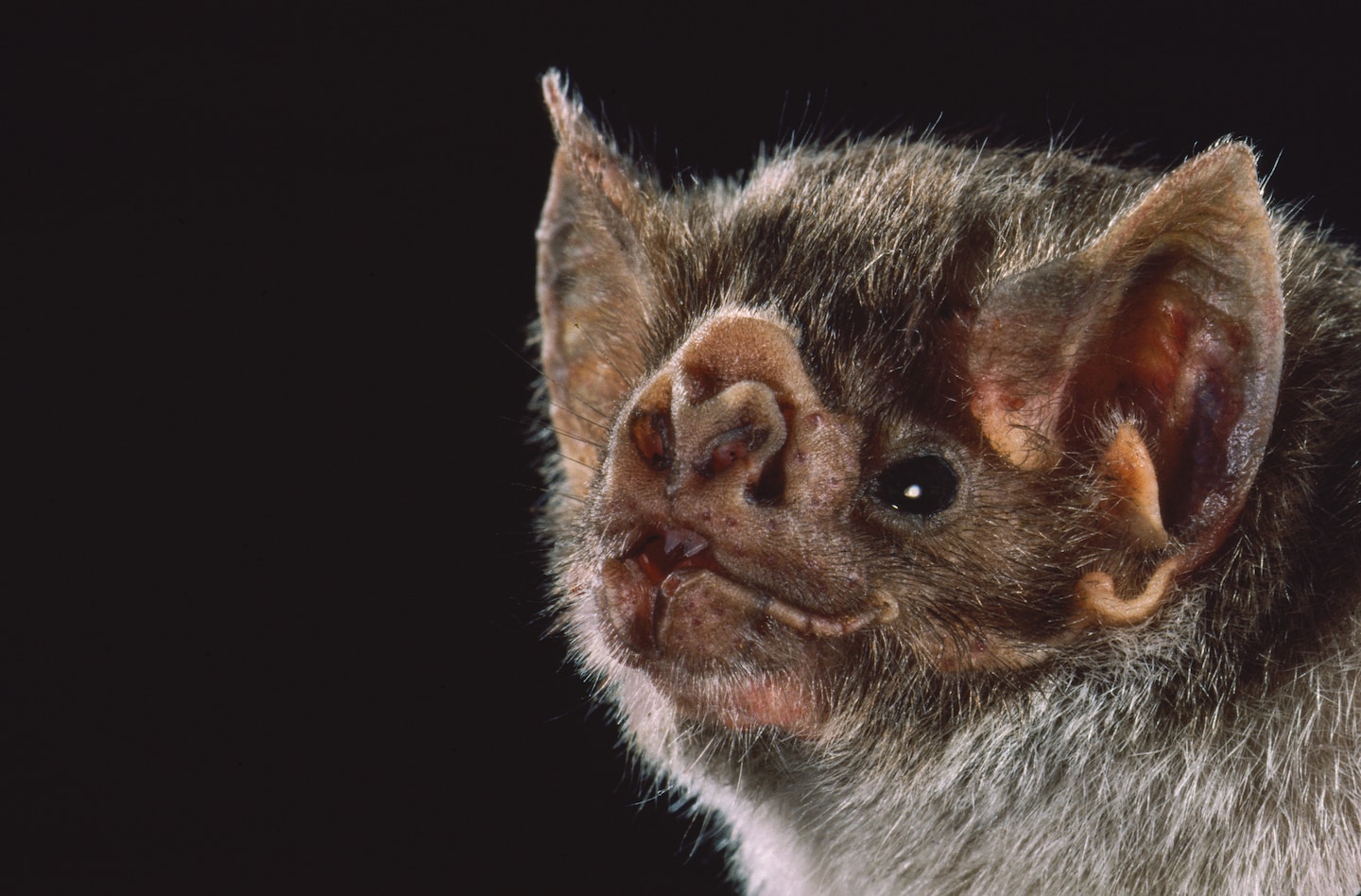
A landmark study of 103 bat genomes and 44 fossils concludes that bats originated in Europe roughly 65 million years ago, overturning decades of scientific assumptions that placed their birthplace in Asia, Africa, or North America Tech Explorist. The research, involving 137 researchers from 64 countries, shows early bats later spread across Africa, Asia, the Americas, and Australia The Print.
The study reveals that powered flight and echolocation — the ability to navigate using sound — evolved early in bat history, before modern bat families split into distinct groups Tech Explorist. The findings could unlock insights into why bats live exceptionally long lives and resist disease better than other mammals Sci.News.
A Complete Family Tree Spanning 65 Million Years
The dataset represented all 21 living bat families, including rare species like the bumblebee bat — the world's smallest mammal — and Madagascar's sucker-footed bat with its distinctive wrist suction cups Tech Explorist. The genome analysis combined 41 newly sequenced bat genomes with 62 previously available sequences, creating the most comprehensive picture of bat evolution ever assembled Hi-Tech Hub.
Ariadna Morales of the American Museum of Natural History said, "The evolutionary tree of bats changed." The new tree corrects major misunderstandings about how bat families relate to one another The Print. Scientists now understand bats dispersed from Europe to populate nearly every continent, reshaping how we view mammalian evolution.
The Bat1K Mission to Sequence All Living Species
Launched in 2017, the Bat1K consortium aims to sequence the genomes of all roughly 1,500 living bat species Tech Explorist. Bats are the second-most diverse mammal group on Earth, accounting for about one-fifth of all mammal species, making them critical to understanding mammalian biology Sci.News.
Extreme Fieldwork in Protective Gear Unlocked the Genomes
Assembling this dataset required dangerous fieldwork across continents. Researchers spent years in Congo-Brazzaville collecting tissue and DNA samples from hammer-headed fruit bats, working at night in protective, spacesuit-like gear The Print. This painstaking effort made the comprehensive genome library possible, revealing secrets hidden in bat DNA for millions of years.
Why Bat Biology Matters for Human Health
Understanding bat evolution opens doors to studying traits unique to these mammals. Bats live far longer than expected for their size and resist viruses that would kill other animals Tech Explorist. Researchers hope the genetic insights could lead to breakthroughs in human longevity, immune function, and disease resistance — potential medical advances born from studying the world's only flying mammals.
Sentiment
Mostly PositiveNEGATIVENEUTRALPOSITIVE
Publishers
21
Articles
21
Reach
42
Topics
A
AnonymousAuthor


